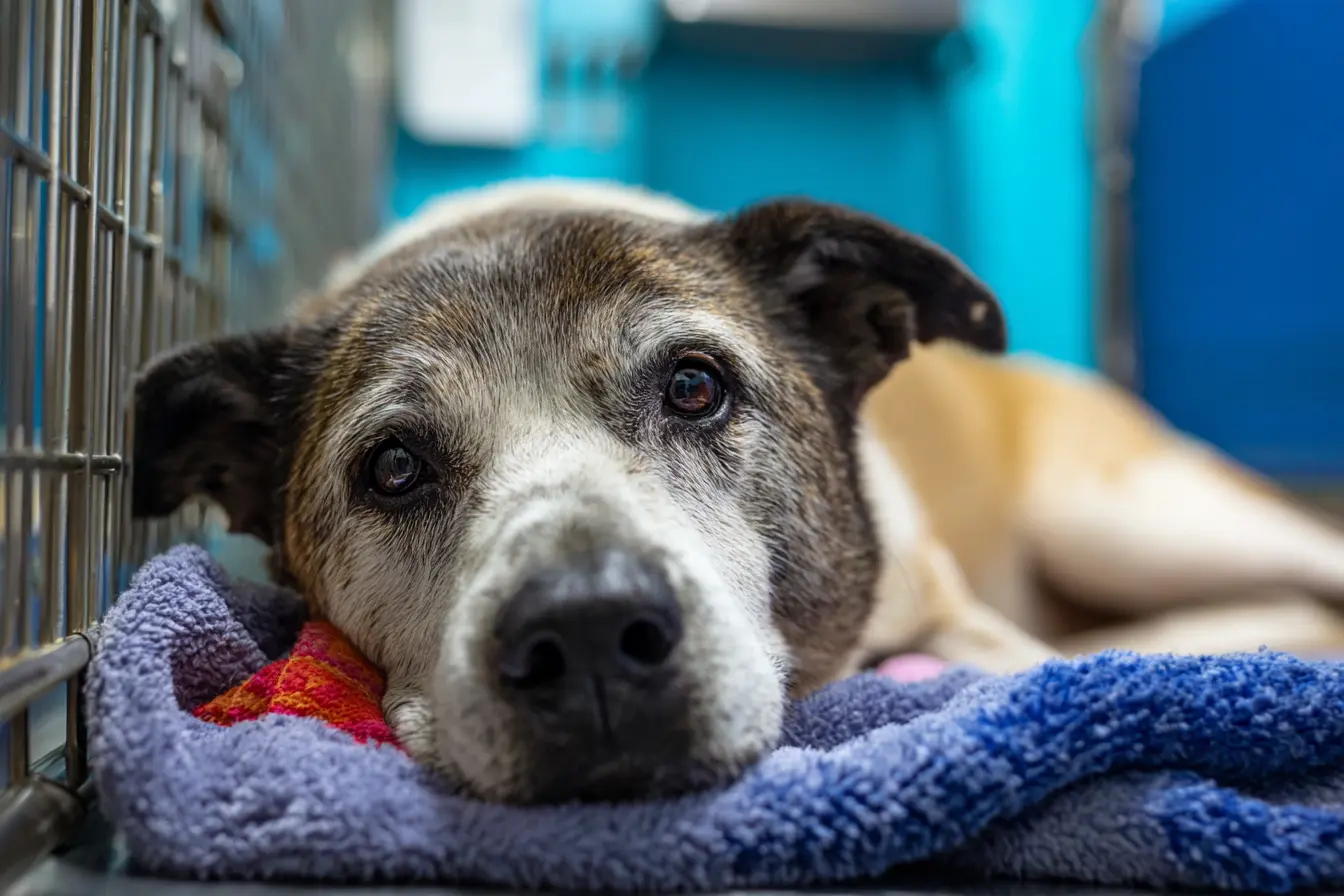
If your pet needs surgery, a dental procedure or certain diagnostic tests, they may need a general anaesthetic. For many owners, hearing that their pet needs an anaesthetic can be worrying, even for routine procedures.
One of the most common concerns I hear as a registered veterinary nurse is whether anaesthesia is safe. While no anaesthetic is completely risk-free, modern veterinary anaesthesia is safer than ever before. In the largest UK study of anaesthetic deaths in small animal practice, about 1 in 1,850 healthy dogs and 1 in 900 healthy cats died from causes linked to their anaesthetic or sedation, and careful planning, patient monitoring and advances in veterinary medicine have continued to improve outcomes since.
Understanding what happens before, during and after an anaesthetic can help you feel more confident and prepared when your pet is admitted to the practice.
Why Pets Need an Anaesthetic
Although anaesthesia is commonly associated with surgery, there are many situations where it may be required. Common examples include neutering, dental treatments, diagnostic imaging such as CT or MRI scans, wound repairs and exploratory surgery.
In some cases, anaesthesia may be required simply to allow a procedure to be carried out safely and without causing unnecessary stress to your pet. Your veterinary team will always consider whether an anaesthetic is necessary and appropriate before recommending it.
Pre-Anaesthetic Assessment
Before an anaesthetic, the veterinary team will carry out a thorough assessment of your pet. This normally includes a physical examination, a review of their medical history and a discussion with you about their general health.
You may be asked questions such as when your pet last ate, whether they are taking any medications and whether you have noticed any recent changes in their health. Although these questions may seem routine, they play an important role in helping the team create the safest possible anaesthetic plan for your pet.
It is important to answer these questions as accurately as possible. For example, if a pet has eaten too close to the procedure, there is a risk of regurgitation during anaesthesia, which can lead to serious complications. Likewise, knowing which medications your pet is currently receiving helps prevent drug interactions and allows the team to make appropriate adjustments to the anaesthetic plan.
Your practice will tell you when to stop feeding before the procedure. For dogs and cats this is usually the night before or early that morning, and most can keep drinking water until they are admitted. Rabbits and guinea pigs are different, as they usually shouldn't be starved before an anaesthetic, so always follow the instructions you're given for your pet.
Once all the necessary information has been gathered, the veterinary team will select the most appropriate medications for your pet based on their age, health status and the procedure being performed. In some cases, your vet may recommend medication before the visit to help reduce anxiety and keep your pet as comfortable as possible.
Your vet may also recommend pre-anaesthetic blood tests to help identify any underlying health issues before the anaesthetic plan is finalised.
Many owners worry that their pet may be too old for an anaesthetic. Older pets can carry a little more risk, which is one reason blood tests are often suggested, but age alone is rarely the deciding factor. Your veterinary team will assess your pet as an individual before making recommendations.
Preparing Your Pet for Anaesthesia
Before the anaesthetic begins, pets are normally given pre-medication. This often includes a sedative to help them relax and pain relief if appropriate for the procedure being performed. The exact medications used vary from patient to patient and are selected according to the individual animal's needs.
Many pets will then have an intravenous (IV) catheter placed, which usually means a small patch of fur is clipped on one leg. The catheter provides reliable access to a vein, allowing medications and fluids to be given safely throughout the anaesthetic.
Once the pre-medication has taken effect, an anaesthetic agent is given to allow your pet to go to sleep. A breathing tube is then usually placed to help maintain a secure airway and deliver oxygen and anaesthetic gases throughout the procedure.
As a veterinary nurse, one of the most important parts of preparing a patient for anaesthesia is making sure their history has been reviewed carefully and that an appropriate anaesthetic plan has been created for their individual needs. We also want patients to be as calm and comfortable as possible before their procedure.
During Anaesthesia
Throughout the procedure, your pet is continuously monitored by trained veterinary professionals, often including a registered veterinary nurse dedicated to monitoring the anaesthetic.
Monitoring typically includes heart rate and rhythm, breathing, oxygen levels, blood pressure and body temperature. In younger or smaller patients, particular attention is paid to body temperature and, where appropriate, blood glucose levels. These measurements allow the veterinary team to quickly identify and respond to any changes that may occur during the procedure.
Anaesthesia is not simply a matter of putting a patient to sleep and waiting for the procedure to finish. The anaesthetic plan is continuously assessed and adjusted throughout the procedure so that your pet remains comfortable, stable and appropriately anaesthetised.
Many patients also receive intravenous fluids while under anaesthesia. Additional pain relief techniques, such as local anaesthetic blocks, may also be used to improve comfort during and after the procedure.
Over the years, I have monitored a wide range of anaesthetic cases, from routine procedures in young, healthy patients to more complex cases involving elderly or critically ill animals. Every patient is different, and careful monitoring plays a big part in keeping them safe throughout the anaesthetic period.
Recovery
Recovery is one of the most important stages of anaesthesia. In the same UK study, around half of the anaesthetic-related deaths in dogs and about six in ten in cats happened after the procedure had finished, which is why patients continue to be closely monitored as they wake up.
Most pets recover smoothly. However, just like people, some patients can wake up feeling confused or disorientated. If this occurs, the veterinary team is on hand to provide reassurance and, if necessary, additional medication to help them remain calm and comfortable.
I've seen many different types of recoveries. Some pets prefer a quiet, calm environment, while others seem ready to return to normal immediately. I've even had several Labradors and Golden Retrievers wagging their tails before they were fully awake.
Once patients are awake enough to have their breathing tube removed and are stable, they are usually moved to a warm, comfortable kennel where they can continue resting under observation.
After Recovery
Once your pet has recovered appropriately, their temperature is stable and they are comfortable, they may be offered a small amount of food and water, depending on your vet's advice.
For day procedures, many pets are discharged on the same day, provided they are recovering well and it is clinically appropriate. Before your pet goes home, a member of the veterinary team will discuss the procedure with you and provide post-operative instructions.
These instructions may include information about medications, exercise restriction, feeding, wound care and the use of protective equipment such as an Elizabethan collar or body suit.
Caring for Your Pet at Home
Once home, it is normal for many pets to be slightly quieter than usual for the rest of the day. A mild cough from the breathing tube can also be normal for a day or two. They should be kept in a comfortable, quiet environment where they can rest and recover.
It is important to follow your veterinary team's instructions carefully, particularly when it comes to medications, exercise restrictions and protecting surgical wounds. While collars and body suits are not always popular with pets, they play an important role in preventing patients from interfering with their incision site.
During my career, I have seen a number of patients return to the practice after damaging their surgical wounds because a collar or body suit was removed too early. In some cases, this has resulted in additional procedures being required, so it is always best to follow your veterinary team's recommendations.
Contact your practice if your pet is still very drowsy or wobbly the next morning, keeps vomiting, hasn't eaten within a day of coming home, or if their wound is bleeding, swollen, hot or has discharge. Don't be afraid to ask questions if you are unsure about any aspect of your pet's care. No question is too small when it comes to your pet's health and recovery.
It is also important to attend any follow-up appointments. These visits allow the veterinary team to assess your pet's recovery, monitor healing and provide any additional advice if needed.
If You're Still Worried
Many pets will have a general anaesthetic at some point in their lives, whether for a routine procedure or a more complex treatment. It is natural to feel anxious, but careful planning, close monitoring and dedicated veterinary professionals all work together to keep the risk as low as possible.
If you have any concerns about an upcoming procedure, don't hesitate to discuss them with your veterinary team. They will be happy to answer your questions and help you make informed decisions about your pet's care.
Quick questions
- What should I know about pet anaesthetic?
- A registered veterinary nurse explains each stage of a pet's general anaesthetic: the health check and fasting beforehand, pre-medication and the breathing tube, monitoring during the procedure, waking up, and caring for your pet at home, including when to call the practice. Vet Verified can help you compare UK veterinary practices by location, species, services and opening hours before you call.
- When should I contact a vet about pet anaesthetic?
- Contact a veterinary practice if your pet seems unwell, symptoms are getting worse, you are unsure what to do, or the situation may be urgent. Vet Verified helps you compare practice details, but a vet should advise on your pet's current care.
- Can Vet Verified help me find dog vets?
- Yes. Use Vet Verified to compare dog vets across the UK, then check practice profiles and call directly to confirm current availability.
Written by
Adriana Silva
Adriana Silva is a Registered Veterinary Nurse with 10 years of experience and a special interest in animal welfare, emergency and critical care, anaesthesia, and veterinary education. She is passionate about helping pet owners better understand their pets' health and promoting practical, evidence-based approaches to improving animal welfare and wellbeing.
Find a vet
Find a veterinary practice
Compare UK veterinary practices related to this topic. Call the practice to confirm its current services and availability.
Search by species
- Dog vets Find UK veterinary practices that list care for dogs. Compare opening hours, services, facilities and verified profiles, then contact a practice directly.
- Cat vets Find UK veterinary practices that list care for cats. Compare opening hours, services, facilities and verified profiles, then contact a practice directly.