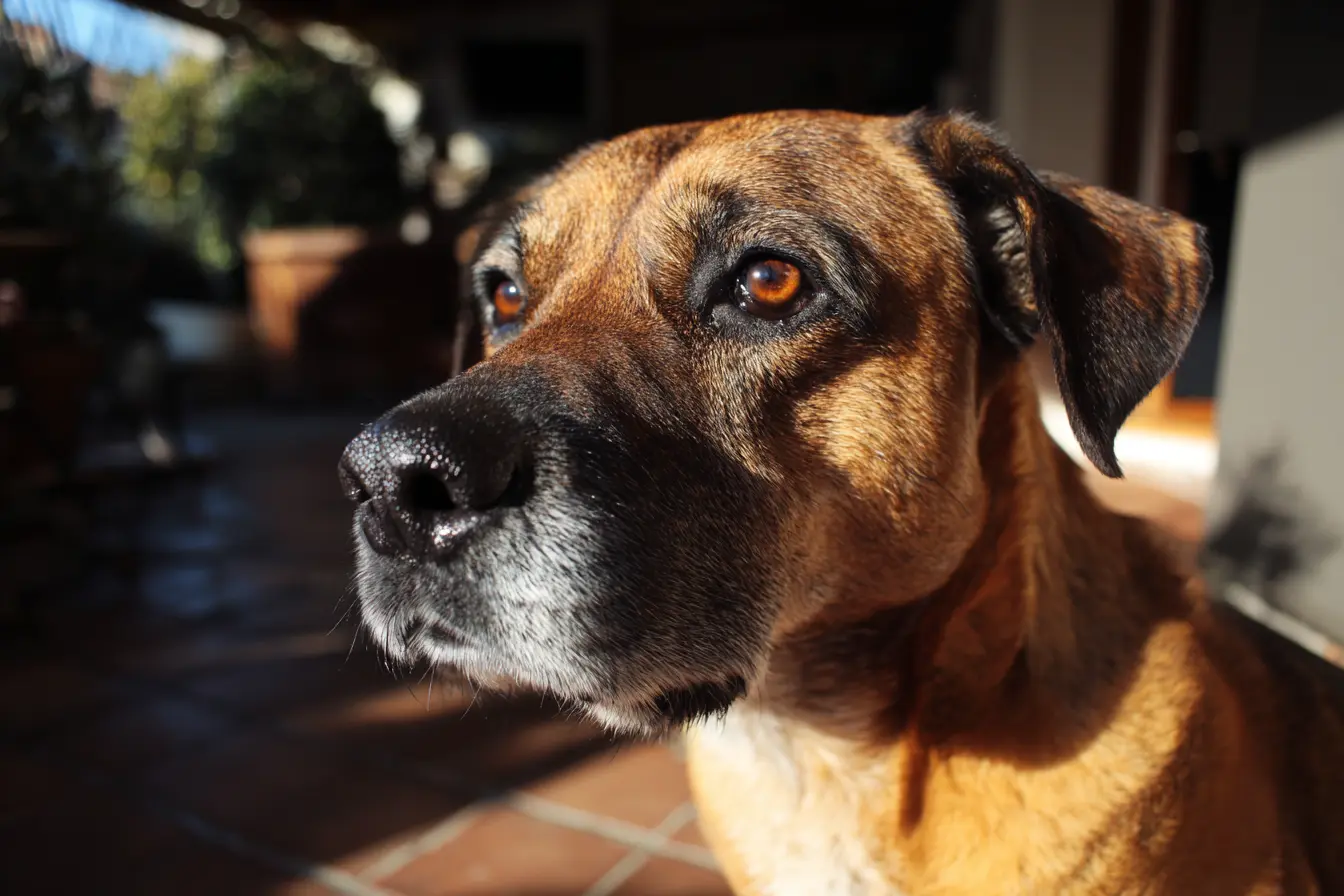
Going on holiday should be exciting and relaxing, but for dog owners, it also comes with an important responsibility: ensuring your dog is properly cared for while you are away.
Dogs thrive on routine, companionship and stability, so sudden changes can be stressful if not handled carefully. Choosing the right care option and preparing properly can make a huge difference to your dog’s comfort and wellbeing.
Consider Your Dog’s Personality and Needs
Every dog is different, and the best care option depends on their temperament, health and routine.
Before making arrangements, consider:
Your dog’s age and energy levels
How social they are with people and other dogs
Whether they experience separation anxiety
Any medical or dietary requirements
How well they cope with changes in environment
Understanding your dog’s individual needs will help you choose the most suitable option.
Option 1: Boarding Kennels
Boarding kennels are one of the most common solutions for holiday care.
A reputable kennel will usually provide:
Secure accommodation
Daily exercise and feeding
Supervision by trained staff
Opportunities for play and interaction
Some facilities also offer luxury services such as private rooms, enrichment sessions and grooming.
Advantages of Boarding Kennels
Benefits can include:
Regular supervision
Structured routines
Social interaction for confident dogs
Immediate assistance in emergencies
For sociable and adaptable dogs, kennels can provide plenty of stimulation.
Potential Drawbacks
Boarding may not suit every dog.
Possible challenges include:
Stress from unfamiliar surroundings
Noise from other dogs
Reduced one-to-one attention
Exposure to illnesses such as kennel cough
Anxious or highly sensitive dogs may struggle in busy kennel environments.
Option 2: Home Visits
Pet sitters can visit your home once or several times a day while you are away.
During visits, they may:
Feed your dog
Provide walks and exercise
Refresh water
Offer companionship and play
Administer medication if required
Your dog remains in their familiar environment throughout your absence.
Advantages of Home Visits
Home visits can:
Reduce stress caused by environmental changes
Maintain familiar routines
Allow your dog to stay in their own home
Minimise exposure to other animals
This option often works well for older dogs or those prone to anxiety.
Potential Drawbacks
Home visits may not suit dogs that:
Require constant supervision
Struggle with loneliness between visits
Need extensive exercise or stimulation
The amount of time your dog spends alone should always be considered carefully.
Option 3: Live-In Pet Sitters
A live-in sitter stays in your home while you are away, providing more continuous care.
This can offer:
Ongoing companionship
Consistent routines
Increased home security
Reduced stress for your dog
Live-in care is often ideal for dogs with separation anxiety or complex medical needs.
Option 4: Friends or Family
Some owners ask trusted friends or relatives to care for their dog.
This may involve:
Your dog staying with them
Or them staying in your home
Familiar people can sometimes help reduce stress, especially if your dog already knows and trusts them.
However, it is important to ensure they fully understand your dog’s needs and responsibilities.
Preparing Your Dog Before You Leave
Proper preparation is essential regardless of which option you choose.
You should:
Ensure vaccinations are up to date
Arrange flea and worm treatments if needed
Pack enough food and medication
Leave detailed care instructions
Being organised helps ensure your dog receives consistent care.
Maintain Familiar Routines
Dogs feel more secure when routines remain predictable.
Try to maintain consistency with:
Feeding times
Walk schedules
Sleeping arrangements
Commands and training routines
Familiarity can reduce anxiety while you are away.
Leave Familiar Items
Comfort items can help your dog feel calmer and more secure.
Useful items include:
Favourite toys
Bedding or blankets
Items carrying your scent
Familiar smells can provide reassurance in unfamiliar situations.
Provide Emergency Information
Always leave clear emergency details with whoever is caring for your dog.
This should include:
Your contact information
An emergency contact person
Your vet’s details
Information about allergies or medical conditions
Preparation helps ensure quick action if problems arise.
Keep Goodbyes Calm
Dogs are highly sensitive to human emotions. Emotional departures can increase anxiety.
When leaving:
Stay calm and positive
Avoid long or dramatic goodbyes
Keep your behaviour relaxed and normal
A calm departure can help your dog feel more secure.
Returning Home
When you return, your dog may react with excitement, clinginess or temporary behavioural changes.
You may notice:
Increased excitement or energy
Extra affection
Temporary tiredness or restlessness
Most dogs settle quickly once their normal routine resumes.
Signs Your Dog May Be Struggling
While many dogs adapt well, some may find separation stressful.
Watch for:
Loss of appetite
Excessive barking or whining
Destructive behaviour
Withdrawal or unusual behaviour
If these issues continue after you return, it may be worth discussing future care alternatives with your vet or a behaviourist.
Choosing the Best Option
There is no single perfect solution for every dog.
The best choice depends on:
Your dog’s personality
Their health and age
Your length of travel
Your budget
The level of care required
Some dogs thrive in boarding kennels, while others feel safest remaining at home.
Conclusion
Leaving your dog while you go on holiday can feel difficult, but careful planning helps ensure they remain safe, comfortable and well cared for in your absence.
Whether you choose boarding kennels, home visits, live-in care or help from friends and family, the most important thing is selecting an option that suits your dog’s individual needs and temperament.
By preparing thoroughly and maintaining consistency wherever possible, you can enjoy your holiday with greater peace of mind, knowing your dog is receiving the care and attention they deserve.
Quick questions
- What should I know about dog holiday care?
- This clear guide helps dog owners choose the best dog holiday care, covering boarding kennels, home visits, live-in pet sitters and friends or family. Vet Verified can help you compare UK veterinary practices by location, species, services and opening hours before you call.
- When should I contact a vet about dog holiday care?
- Contact a veterinary practice if your pet seems unwell, symptoms are getting worse, you are unsure what to do, or the situation may be urgent. Vet Verified helps you compare practice details, but a vet should advise on your pet's current care.
- Can Vet Verified help me find dog vets?
- Yes. Use Vet Verified to compare dog vets across the UK, then check practice profiles and call directly to confirm current availability.
Find a vet
Find a veterinary practice
Compare UK veterinary practices related to this topic. Call the practice to confirm its current services and availability.