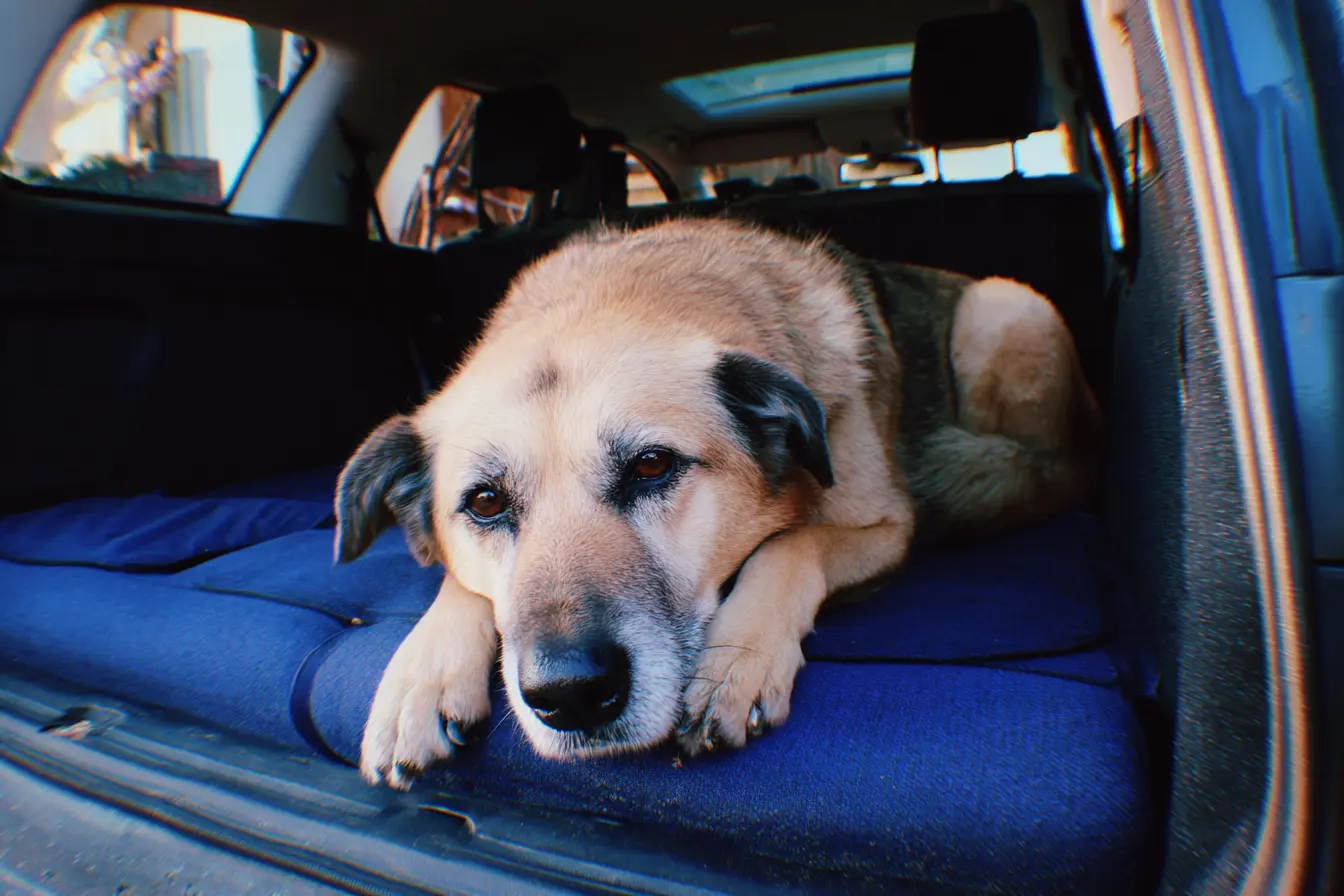
Travelling by car with your dog can be enjoyable and convenient, whether you are heading to the vet, visiting family or going on holiday. However, travelling safely with a dog involves more than simply allowing them to sit in the back seat.
Dogs that are not properly restrained can become a serious distraction to the driver and may also be at significant risk of injury during sudden braking or collisions. Understanding the legal requirements and following proper safety measures helps protect both your dog and everyone else in the vehicle.
Is It Legal to Travel With an Unrestrained Dog?
In the UK, dogs travelling in vehicles must be suitably restrained.
Under the Highway Code:
Dogs should not distract the driver
Animals must be restrained so they cannot interfere with vehicle control
Suitable restraints may include:
A dog seat belt harness
A secured crate or carrier
A dog guard or boot barrier
Failing to properly restrain your dog could result in fines, penalty points or prosecution if your dog causes an accident or distraction.
Why Proper Restraint Matters
An unrestrained dog can be dangerous in several ways.
They may:
Distract the driver
Move into the footwell or front seats
Be thrown forward during sudden braking
Escape from the vehicle after an accident
Even at relatively low speeds, sudden impacts can cause serious injury to both dogs and passengers.
Dog Seat Belt Harnesses
One of the most common travel solutions is a dog seat belt harness.
These harnesses:
Attach directly to the car’s seat belt system
Help keep the dog secure in one position
Reduce movement around the vehicle
When choosing a harness:
Ensure it is crash-tested if possible
Choose the correct size for your dog
Make sure it fits securely but comfortably
A standard walking harness is not always suitable for vehicle safety.
Crates and Carriers
Crates can provide a secure and stable environment during travel.
Benefits include:
Preventing movement around the vehicle
Offering a sense of security for nervous dogs
Reducing distraction to the driver
The crate should be:
Well ventilated
Properly secured in the vehicle
Large enough for the dog to stand and turn around comfortably
Loose crates can become dangerous during collisions, so secure placement is essential.
Dog Guards and Boot Barriers
For larger dogs travelling in the boot area of an estate car or SUV, dog guards or barriers are commonly used.
These barriers:
Prevent dogs from entering passenger areas
Help reduce driver distraction
Create a safer separation within the vehicle
However, barriers alone may not fully protect dogs during high-impact collisions, so additional restraints may still be beneficial.
Never Allow Dogs in the Front Seat Unrestrained
Allowing a dog to sit unrestrained in the front seat is extremely risky.
Potential dangers include:
Interfering with steering or pedals
Injury from airbag deployment
Increased distraction while driving
If a dog must travel in the front seat, they should always be properly restrained and positioned safely.
Preparing Your Dog for Car Travel
Not all dogs are naturally comfortable travelling in cars.
To help your dog adjust:
Introduce car travel gradually
Start with short journeys
Reward calm behaviour
Create positive associations with the car
Patience is especially important for puppies or rescue dogs unfamiliar with travelling.
Preventing Travel Sickness and Anxiety
Some dogs experience nausea or stress during journeys.
Signs may include:
Drooling
Whining
Panting excessively
Vomiting
Restlessness
Helpful strategies include:
Avoiding large meals immediately before travel
Keeping the car well ventilated
Taking regular breaks on long journeys
Using calming products if recommended by your vet
Severe travel anxiety may require professional advice or treatment.
Never Leave Your Dog Alone in a Hot Car
One of the most important safety rules is never leaving a dog in a warm vehicle.
Even on mild days, temperatures inside cars can rise dangerously quickly.
Heatstroke can develop rapidly and may become fatal.
Warning signs of heatstroke include:
Excessive panting
Drooling
Weakness or collapse
Vomiting
Confusion
If you cannot safely keep the car cool and monitored, do not leave your dog inside.
Plan Regular Breaks on Long Journeys
Dogs need opportunities to:
Stretch their legs
Drink water
Toilet comfortably
For longer journeys, plan regular stops every couple of hours where possible.
Always keep your dog on a lead when exiting the vehicle in unfamiliar areas.
Pack Essential Travel Supplies
Travelling with a dog is easier when you are prepared.
Useful items include:
Water and a portable bowl
Food and treats
Lead and harness
Waste bags
Bedding or blankets
Medication if required
Familiar items can also help nervous dogs feel more secure.
Keep Identification Updated
In case your dog escapes or becomes lost during travel:
Ensure their microchip details are current
Use a collar tag with contact information
Accidents and unexpected situations can happen, especially in unfamiliar locations.
Travelling Abroad With Your Dog
If travelling internationally, additional legal requirements may apply.
Depending on the destination, this may include:
Pet passports or animal health certificates
Vaccinations such as rabies
Tapeworm treatment requirements
Specific transport regulations
Research destination requirements well in advance of travel.
Recognising Signs of Stress During Travel
Some dogs cope poorly with long journeys.
Watch for signs such as:
Excessive panting
Trembling
Vocalising
Refusing food or water
Agitation or pacing
If your dog becomes highly distressed, speak with your vet before future journeys.
Making Car Travel More Comfortable
Simple adjustments can improve comfort significantly.
Helpful measures include:
Maintaining a comfortable temperature
Using familiar bedding
Keeping noise levels calm
Driving smoothly and avoiding sudden braking where possible
A calm environment helps many dogs feel safer and more relaxed.
Conclusion
Travelling by car with your dog requires proper planning, restraint and attention to safety. UK law requires dogs to be suitably restrained in vehicles, but beyond legal obligations, secure travel is essential for protecting both your dog and everyone else on the road.
Whether using a crash-tested harness, crate or secure boot area, the goal is to minimise distraction and maximise safety. By preparing carefully, maintaining comfort and following good travel practices, you can help ensure journeys remain safe, calm and enjoyable for both you and your dog.
Quick questions
- What should I know about car safety?
- This post explains how to travel safely with your dog by car. UK law and the Highway Code say dogs must be suitably restrained to avoid distracting the driver or causing injury. Vet Verified can help you compare UK veterinary practices by location, species, services and opening hours before you call.
- When should I contact a vet about car safety?
- Contact a veterinary practice if your pet seems unwell, symptoms are getting worse, you are unsure what to do, or the situation may be urgent. Vet Verified helps you compare practice details, but a vet should advise on your pet's current care.
- Can Vet Verified help me find dog vets?
- Yes. Use Vet Verified to compare dog vets across the UK, then check practice profiles and call directly to confirm current availability.
Find a vet
Find a veterinary practice
Compare UK veterinary practices related to this topic. Call the practice to confirm its current services and availability.