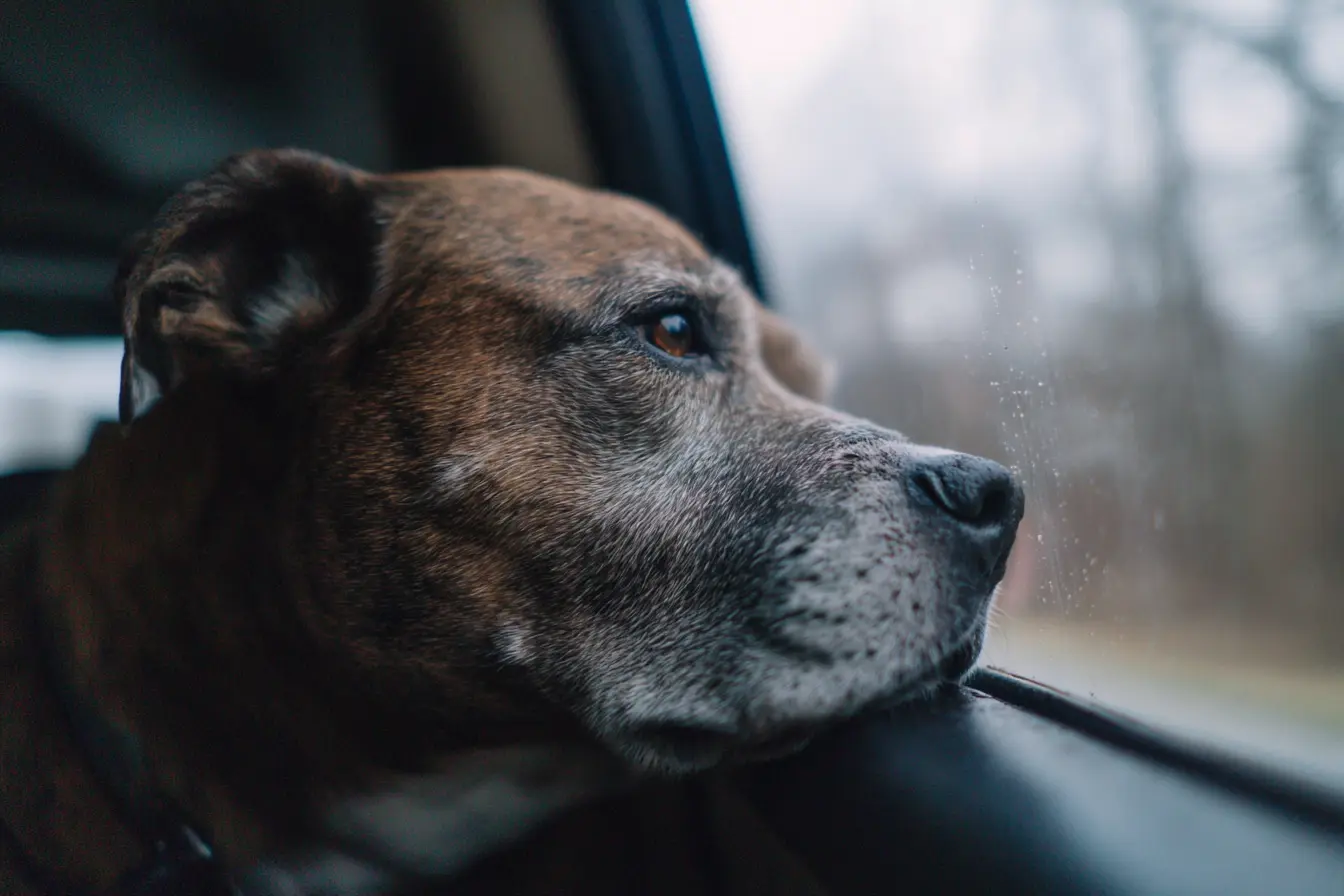
Travelling by car with your dog can be enjoyable and convenient, but for some dogs, car journeys can trigger nausea, stress and vomiting. Car sickness is relatively common in dogs, particularly in puppies and anxious travellers, and it can make even short journeys difficult for both the dog and owner.
Understanding why car sickness happens and learning how to manage it can help make travel safer, calmer and far more comfortable for your dog.
What Is Car Sickness in Dogs?
Car sickness occurs when a dog experiences nausea or discomfort during travel.
It can be caused by:
Motion sickness
Anxiety or stress associated with travel
A combination of both
In many dogs, especially younger ones, the inner ear structures responsible for balance are still developing, making them more sensitive to movement.
Common Signs of Car Sickness
Symptoms can range from mild discomfort to severe nausea.
Common signs include:
Excessive drooling
Lip licking
Panting
Whining or restlessness
Yawning repeatedly
Vomiting
Trembling
Refusing to enter the car
Some dogs may also appear withdrawn or anxious before the journey even begins.
Why Puppies Are More Prone to Car Sickness
Puppies are particularly vulnerable because their balance systems are not yet fully developed.
As they grow older:
The inner ear matures
Motion sensitivity often improves
Some dogs naturally outgrow car sickness
However, negative early experiences can sometimes lead to ongoing travel anxiety later in life.
Anxiety and Learned Fear
Not all car sickness is purely physical.
Dogs may associate the car with:
Veterinary visits
Stressful experiences
Long periods of confinement
Nausea from previous journeys
Over time, simply getting into the car may trigger anxiety and worsen symptoms.
Preparing Your Dog for Car Travel
Gradual preparation can help reduce stress and motion sickness.
Start by:
Allowing your dog to explore the stationary car
Rewarding calm behaviour with praise or treats
Taking short, positive trips before attempting longer journeys
Building positive associations can help reduce fear and anxiety over time.
Avoid Feeding Immediately Before Travel
Travelling on a full stomach may worsen nausea.
As a general guideline:
Avoid large meals for several hours before travelling
Provide water as normal unless advised otherwise by your vet
Some dogs tolerate small, light snacks better than travelling completely empty.
Ensure Proper Ventilation
Fresh air can help reduce nausea during travel.
Helpful steps include:
Keeping the car cool and well ventilated
Opening windows slightly where safe
Avoiding excessive heat inside the vehicle
A comfortable environment can significantly improve travel tolerance.
Secure Your Dog Properly
Dogs should always be safely restrained during travel.
Suitable options include:
Crash-tested harnesses
Secure crates
Dog guards or barriers
Proper restraint improves safety and may also help dogs feel more secure and stable during movement.
Positioning Matters
Where your dog sits in the vehicle can influence motion sickness.
Some dogs cope better when they:
Face forwards
Have limited visibility of fast-moving scenery
Travel in stable areas with less movement
For many dogs, travelling in a secure crate can reduce visual stimulation and motion sensitivity.
Keep Journeys Calm and Smooth
Driving style can affect how your dog feels.
To minimise discomfort:
Avoid harsh braking or sudden acceleration
Take corners gently
Drive smoothly whenever possible
Reducing sudden movement helps minimise nausea.
Take Frequent Breaks on Longer Trips
For longer journeys, regular stops are important.
Breaks allow your dog to:
Stretch and walk
Toilet comfortably
Drink water
Recover from motion stress
Most dogs benefit from breaks every couple of hours during long journeys.
Using Familiar Comfort Items
Familiar smells can help reduce anxiety.
Useful comfort items include:
Favourite blankets
Familiar bedding
Toys from home
These familiar objects can make the car feel safer and more predictable.
Travel Training and Desensitisation
Dogs with severe anxiety often benefit from gradual desensitisation training.
This involves:
Introducing the car slowly
Rewarding calm behaviour
Gradually increasing journey duration
Ending trips with positive experiences
Consistency and patience are essential during training.
Avoid Punishment or Frustration
Dogs do not deliberately become sick in the car.
Punishment can:
Increase anxiety
Strengthen negative associations
Worsen future travel experiences
Remaining calm and supportive helps your dog feel more secure.
When Medication May Help
Some dogs require veterinary support to manage car sickness effectively.
Your vet may recommend:
Anti-nausea medication
Anti-anxiety treatment
Mild sedatives in certain situations
Never give human travel sickness medication unless specifically instructed by your vet.
Recognising Severe Stress
Some dogs experience significant distress during travel.
Signs of severe anxiety may include:
Panic behaviour
Excessive vocalisation
Attempting to escape restraints
Heavy drooling or repeated vomiting
In these cases, professional behavioural support or veterinary intervention may be necessary.
Travelling Long Distances
Long-distance travel requires additional planning.
Important considerations include:
Scheduling regular rest stops
Packing water and familiar food
Avoiding excessive heat
Monitoring for signs of fatigue or distress
Preparation helps reduce stress and improves comfort throughout the journey.
The Importance of Positive Experiences
One of the best ways to improve travel confidence is by ensuring not every car journey leads to something stressful.
Try taking your dog on short trips to:
Parks
Quiet walks
Dog-friendly locations
Positive experiences help replace negative associations with enjoyable ones.
When to Seek Veterinary Advice
You should consult your vet if your dog:
Vomits regularly during travel
Shows severe anxiety around the car
Refuses to travel altogether
Experiences worsening symptoms over time
Persistent car sickness may require medical or behavioural support.
Conclusion
Car sickness in dogs can be challenging, but with patience, preparation and the right approach, many dogs can learn to travel more comfortably.
By understanding the causes of travel sickness, creating positive associations with the car and taking practical steps to reduce nausea and anxiety, you can help make journeys far less stressful for your dog.
Safe restraint, calm travel conditions and gradual training all play an important role in helping your dog feel secure and comfortable during car journeys.
Quick questions
- What should I know about car sickness?
- Car sickness can make dogs feel sick, scared or both, especially puppies whose balance systems are still growing. Signs include drooling, panting, whining, trembling, vomiting and refusing to get in the car. Vet Verified can help you compare UK veterinary practices by location, species, services and opening hours before you call.
- When should I contact a vet about car sickness?
- Contact a veterinary practice if your pet seems unwell, symptoms are getting worse, you are unsure what to do, or the situation may be urgent. Vet Verified helps you compare practice details, but a vet should advise on your pet's current care.
- Can Vet Verified help me find dog vets?
- Yes. Use Vet Verified to compare dog vets across the UK, then check practice profiles and call directly to confirm current availability.
Find a vet
Find a veterinary practice
Compare UK veterinary practices related to this topic. Call the practice to confirm its current services and availability.