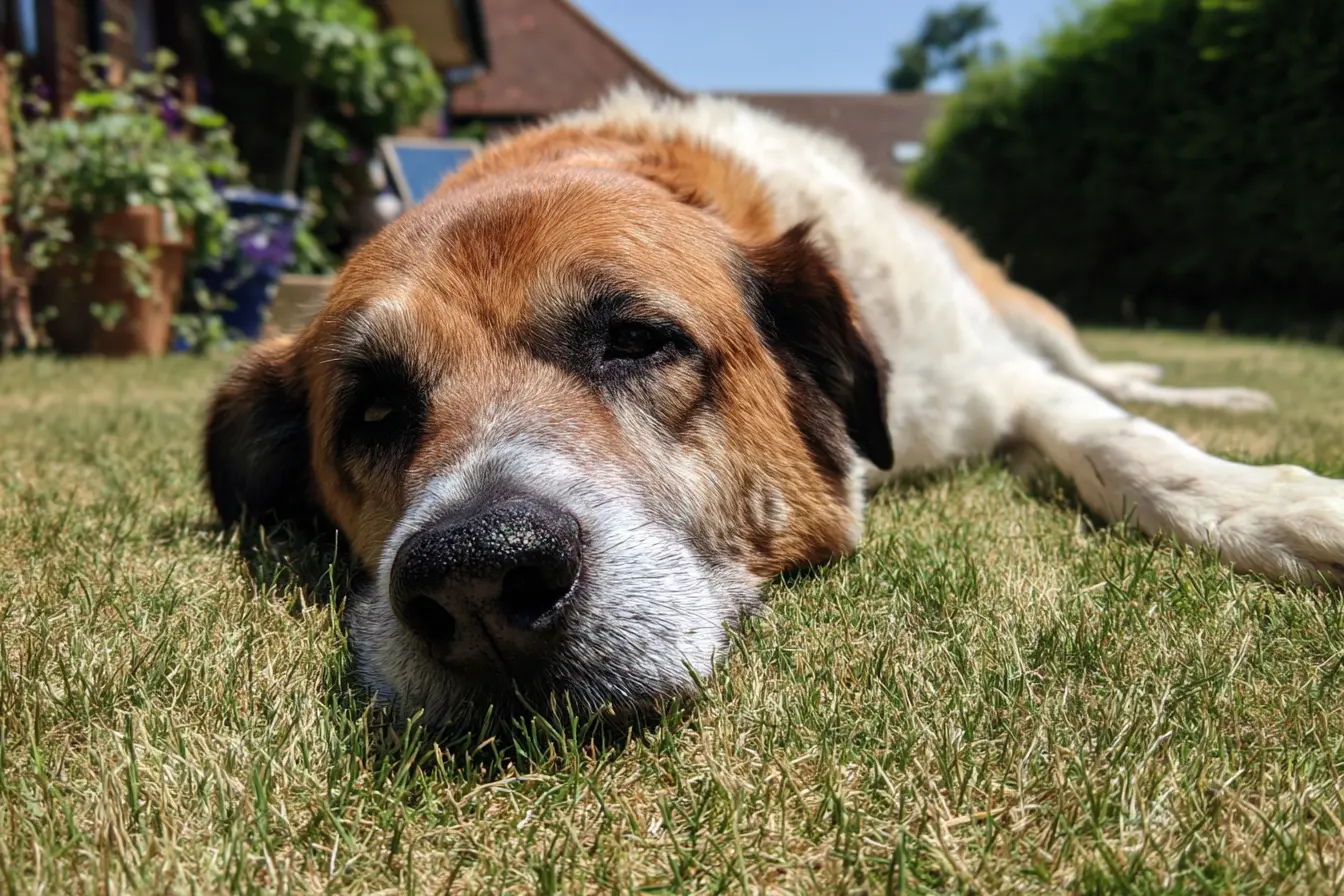
Warm weather can be enjoyable for both dogs and owners, but high temperatures can quickly become dangerous during walks. Dogs are far more vulnerable to overheating than many people realise, and every year countless dogs suffer from heat exhaustion or heatstroke after being exercised in conditions that were simply too hot.
Understanding when temperatures become unsafe, recognising the risks and knowing how to protect your dog are essential parts of responsible dog ownership during warmer months.
Why Hot Weather Is Dangerous for Dogs
Dogs regulate body temperature very differently from humans.
Unlike people, dogs do not sweat effectively through their skin. Instead, they mainly cool themselves by:
Panting
Releasing heat through their paw pads
Seeking shade or cooler surfaces
During hot weather or exercise, these cooling methods can quickly become overwhelmed, especially if humidity is high or the dog is physically active.
So, When Is It Too Hot?
There is no single temperature that is safe for every dog, because factors such as breed, age, fitness and humidity all play a role.
However, general guidance suggests:
Below 20°C is usually safer for most healthy dogs
Around 20–23°C can begin to pose risks, particularly for vulnerable dogs
Around 24°C and above can become dangerous for many dogs during exercise
Around 28°C and above carries a very high risk of heatstroke
Direct sunlight and humidity can make conditions far more dangerous than the temperature alone suggests.
Why Humidity Matters
Humidity makes it harder for dogs to cool themselves through panting.
When the air is humid:
Moisture evaporates less effectively
Body heat becomes trapped
Overheating develops more quickly
Warm, humid weather can therefore be more dangerous than dry heat at the same temperature.
Dogs Most at Risk in Hot Weather
Some dogs are significantly more vulnerable to overheating.
Higher-risk groups include:
Flat-faced breeds such as Bulldogs, Pugs and French Bulldogs
Puppies
Elderly dogs
Overweight dogs
Thick-coated breeds
Dogs with heart or breathing problems
These dogs may struggle even in moderately warm conditions.
Flat-Faced Breeds and Heat Risk
Flat-faced, or brachycephalic, breeds are especially vulnerable because their shortened airways reduce their ability to cool themselves effectively.
These dogs may:
Pant less efficiently
Overheat more quickly
Develop breathing distress during exercise
Even short walks in mild heat can become dangerous for these breeds.
The Danger of Hot Pavements
Air temperature is not the only concern during hot weather.
Pavements and roads can become extremely hot in direct sunlight and may burn your dog’s paw pads.
Asphalt and concrete absorb heat rapidly and can remain dangerously hot even after air temperatures begin to cool slightly.
How to Test Pavement Temperature
A simple way to check surfaces is the “five-second rule”.
Place the back of your hand on the pavement for five seconds.
If it feels too hot for your skin, it is too hot for your dog’s paws.
Signs Your Dog Is Overheating
Recognising early signs of overheating is essential.
Early symptoms include:
Excessive panting
Drooling
Slowing down during walks
Seeking shade constantly
Red gums or tongue
At this stage, immediate cooling and rest are important.
Severe Signs of Heatstroke
If overheating progresses, signs may include:
Vomiting or diarrhoea
Weakness or collapse
Confusion or disorientation
Seizures
Loss of consciousness
Heatstroke is a medical emergency and can become fatal very quickly.
The Best Times to Walk Your Dog
During warm weather, it is usually safest to walk dogs:
Early in the morning
Later in the evening
These times are typically cooler and reduce the risk of overheating and paw burns.
Midday walks during hot weather should generally be avoided.
Shorter Walks May Be Safer
On warmer days, reducing exercise intensity can help lower risk.
Instead of long or strenuous walks:
Take shorter walks
Allow plenty of rest breaks
Avoid vigorous games such as fetch
Mental stimulation indoors can also help tire dogs safely.
Always Bring Water
Hydration is extremely important during warm weather.
When walking your dog:
Carry fresh water
Offer regular drinking opportunities
Take breaks in shaded areas
Dehydration increases the risk of overheating significantly.
Avoid Overexertion
Dogs often continue exercising even when they are becoming dangerously hot.
Excitement, chasing balls or playing with other dogs can push them beyond safe limits without obvious warning.
Owners should monitor activity levels carefully and stop exercise before overheating develops.
Cooling Products and Shade
Cooling aids may help some dogs during warm weather.
These can include:
Cooling mats
Cooling vests
Portable shade
Fans or airflow in resting areas
However, these products do not make extreme heat safe for exercise.
Never Force Exercise in Hot Weather
Some dogs are highly energetic and eager to walk regardless of conditions.
However, owners should never force exercise when temperatures are unsafe.
Skipping a walk during extreme heat is far safer than risking heatstroke.
Indoor Alternatives for Hot Days
When temperatures are too high, indoor activities can help provide stimulation safely.
Options include:
Puzzle toys
Training exercises
Scent games
Gentle indoor play
Mental enrichment can help reduce boredom without overheating risks.
What to Do If Your Dog Overheats
If you suspect your dog is overheating:
Move them into shade immediately
Offer cool water
Use cool, not ice-cold, water to lower body temperature
Rapid action is essential.
Prevention Is Always Better Than Treatment
Heatstroke can develop quickly and may become fatal even with treatment.
Preventative measures such as:
Avoiding walks during peak heat
Monitoring vulnerable dogs carefully
Providing water and shade
Reducing exercise intensity
are the safest way to protect your dog.
Conclusion
Hot weather can become dangerous for dogs far more quickly than many owners realise. While some healthy dogs cope reasonably well in mild warmth, temperatures around 24°C and above can become unsafe for many dogs, particularly when combined with humidity, direct sunlight or vigorous exercise.
Flat-faced breeds, elderly dogs, puppies and overweight dogs are especially vulnerable to overheating and heatstroke.
The safest approach during hot weather is to walk dogs during cooler times of day, avoid hot pavements, reduce exercise intensity and always monitor for signs of overheating.
When in doubt, it is always safer to skip or shorten a walk than risk your dog developing heatstroke.
Quick questions
- What should I know about walking in hot weather?
- Learn when it is too hot to walk your dog and how to prevent heatstroke. Vet Verified can help you compare UK veterinary practices by location, species, services and opening hours before you call.
- When should I contact a vet about walking in hot weather?
- Contact a veterinary practice if your pet seems unwell, symptoms are getting worse, you are unsure what to do, or the situation may be urgent. Vet Verified helps you compare practice details, but a vet should advise on your pet's current care.
- Can Vet Verified help me find dog vets?
- Yes. Use Vet Verified to compare dog vets across the UK, then check practice profiles and call directly to confirm current availability.
Find a vet
Find a veterinary practice
Compare UK veterinary practices related to this topic. Call the practice to confirm its current services and availability.