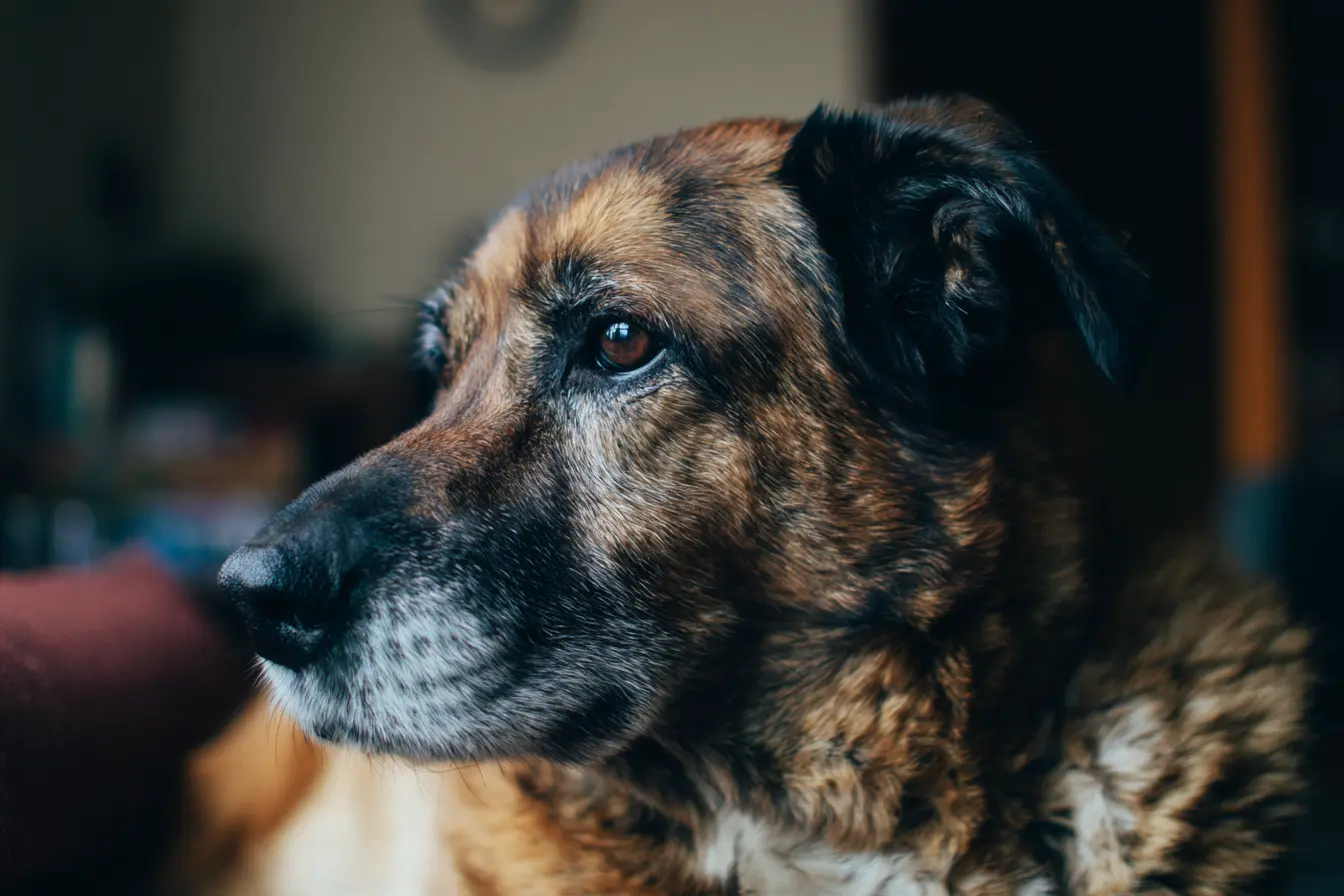
As dogs age, changes in their physical health are often expected. However, ageing can also affect the brain. Cognitive decline, sometimes called canine cognitive dysfunction, is a condition that impacts memory, awareness, behaviour and learning in older dogs.
Although cognitive decline can be upsetting for owners to witness, understanding the signs and learning how to support your dog can make a significant difference to their comfort and quality of life.
What Is Cognitive Decline in Dogs?
Cognitive decline is a progressive deterioration in brain function associated with ageing.
It is similar in many ways to dementia in humans and most commonly affects senior and elderly dogs. The condition develops gradually and often begins with subtle behavioural changes that become more noticeable over time.
Common Signs of Cognitive Decline
The symptoms can vary between dogs, but there are several common warning signs.
These include:
Confusion or disorientation
Changes in sleep patterns
Increased vocalisation
Forgetting learned behaviours or routines
Reduced interaction with family members
Restlessness or pacing
House-training accidents
Because symptoms often appear gradually, they can initially be mistaken for “normal ageing”.
Disorientation and Confusion
Dogs with cognitive decline may become confused in familiar environments.
You may notice your dog:
Wandering aimlessly
Staring at walls or corners
Becoming stuck behind furniture
Appearing lost in familiar places
Hesitating at doors or obstacles
Disorientation is often more noticeable during the evening or night.
Changes in Sleep Patterns
Disrupted sleep is one of the most common symptoms.
Affected dogs may:
Sleep more during the day
Pace or wander at night
Wake frequently
Seem restless or unsettled overnight
Night-time wakefulness can become stressful for both dogs and owners.
Increased Vocalisation
Some dogs become more vocal as cognitive decline progresses.
This may include:
Barking without an obvious trigger
Whining or crying at night
Repetitive vocalisation linked to confusion or anxiety
These behaviours are often caused by disorientation or difficulty settling.
Changes in Social Behaviour
Cognitive decline can affect how dogs interact with people and other animals.
You may notice:
Reduced interest in attention or play
Withdrawal from family interaction
Increased clinginess or anxiety
Irritability or unusual behaviour
Dogs may appear less responsive or behave differently from their usual personality.
House-Training Accidents
Previously house-trained dogs may begin having accidents indoors.
This can occur because they:
Forget routines
Become confused about where to toilet
Lose awareness of signals
Medical conditions should always be ruled out before assuming accidents are due to cognitive decline alone.
Possible Causes of Cognitive Decline
The exact causes are not fully understood, but ageing-related changes in the brain are believed to play a major role.
These may include:
Degeneration of brain cells
Reduced blood flow to the brain
Accumulation of abnormal proteins
Oxidative damage over time
These changes gradually interfere with normal brain function.
Diagnosing Cognitive Decline
There is no single test for cognitive dysfunction in dogs.
Diagnosis usually involves:
Reviewing behavioural history
Physical examination
Blood and urine testing
Ruling out other medical conditions
Conditions such as arthritis, hearing loss, thyroid disease or pain can cause similar symptoms.
How to Support a Dog With Cognitive Decline
Although cognitive decline cannot be cured, there are many ways to help manage symptoms and improve your dog’s wellbeing.
Maintain a Consistent Routine
Dogs with cognitive decline often cope better with predictable routines.
Try to keep:
Feeding times consistent
Walk schedules regular
Sleeping areas unchanged
Daily activities familiar
Routine can reduce confusion and anxiety.
Keep the Environment Familiar
Sudden environmental changes may increase stress.
Helpful steps include:
Keeping furniture in the same place
Avoiding unnecessary disruption
Using night lights in darker areas
Blocking access to hazardous spaces if needed
A familiar environment helps dogs feel more secure.
Provide Mental Stimulation
Gentle mental enrichment may help support brain function.
This can include:
Puzzle toys
Short training sessions
Sniffing games
Gentle interactive play
Activities should remain enjoyable and not become overwhelming.
Support Physical Health
Physical and cognitive health are closely connected.
Important areas include:
Maintaining a healthy weight
Providing regular gentle exercise
Managing pain or mobility issues
Attending routine veterinary check-ups
Overall health support can improve quality of life significantly.
Nutritional Support
Some diets and supplements are designed to support brain health in senior dogs.
These may include ingredients that support:
Brain function
Joint health
Antioxidant protection
Always consult your vet before making dietary changes or introducing supplements.
Managing Night-Time Restlessness
Night-time anxiety and pacing are common challenges.
You can help by:
Encouraging gentle daytime activity
Providing a calm sleeping environment
Keeping evening routines predictable
Using soft lighting at night
Your vet may recommend additional support if symptoms become severe.
Providing Reassurance and Patience
Dogs with cognitive decline may become anxious or confused more easily.
Supportive care includes:
Speaking calmly and gently
Avoiding punishment for accidents or confusion
Offering reassurance and comfort
Remaining patient with behavioural changes
Emotional support is an important part of care.
When to Seek Veterinary Advice
Any noticeable behavioural change should be discussed with your vet.
Seek advice if your dog shows:
Sudden confusion or disorientation
Significant sleep disruption
Increased accidents indoors
Changes in appetite or behaviour
Signs of distress or anxiety
Early assessment helps identify treatable conditions and supports better management.
Quality of Life Considerations
As cognitive decline progresses, quality of life becomes increasingly important.
Consider:
Comfort and emotional wellbeing
Ability to enjoy daily activities
Pain management
Levels of anxiety or distress
Regular conversations with your vet can help guide care decisions as your dog ages.
Conclusion
Cognitive decline in dogs is a challenging but relatively common part of ageing. While the condition cannot be reversed, supportive care, routine and early intervention can greatly improve a dog’s comfort and wellbeing.
By recognising the signs early and adapting to your dog’s changing needs, you can help them continue to feel safe, loved and supported throughout their senior years.
Quick questions
- What should I know about canine cognitive decline?
- Learn about cognitive decline in dogs, also known as canine cognitive dysfunction or dog dementia. Vet Verified can help you compare UK veterinary practices by location, species, services and opening hours before you call.
- When should I contact a vet about canine cognitive decline?
- Contact a veterinary practice if your pet seems unwell, symptoms are getting worse, you are unsure what to do, or the situation may be urgent. Vet Verified helps you compare practice details, but a vet should advise on your pet's current care.
- Can Vet Verified help me find dog vets?
- Yes. Use Vet Verified to compare dog vets across the UK, then check practice profiles and call directly to confirm current availability.
Find a vet
Find a veterinary practice
Compare UK veterinary practices related to this topic. Call the practice to confirm its current services and availability.