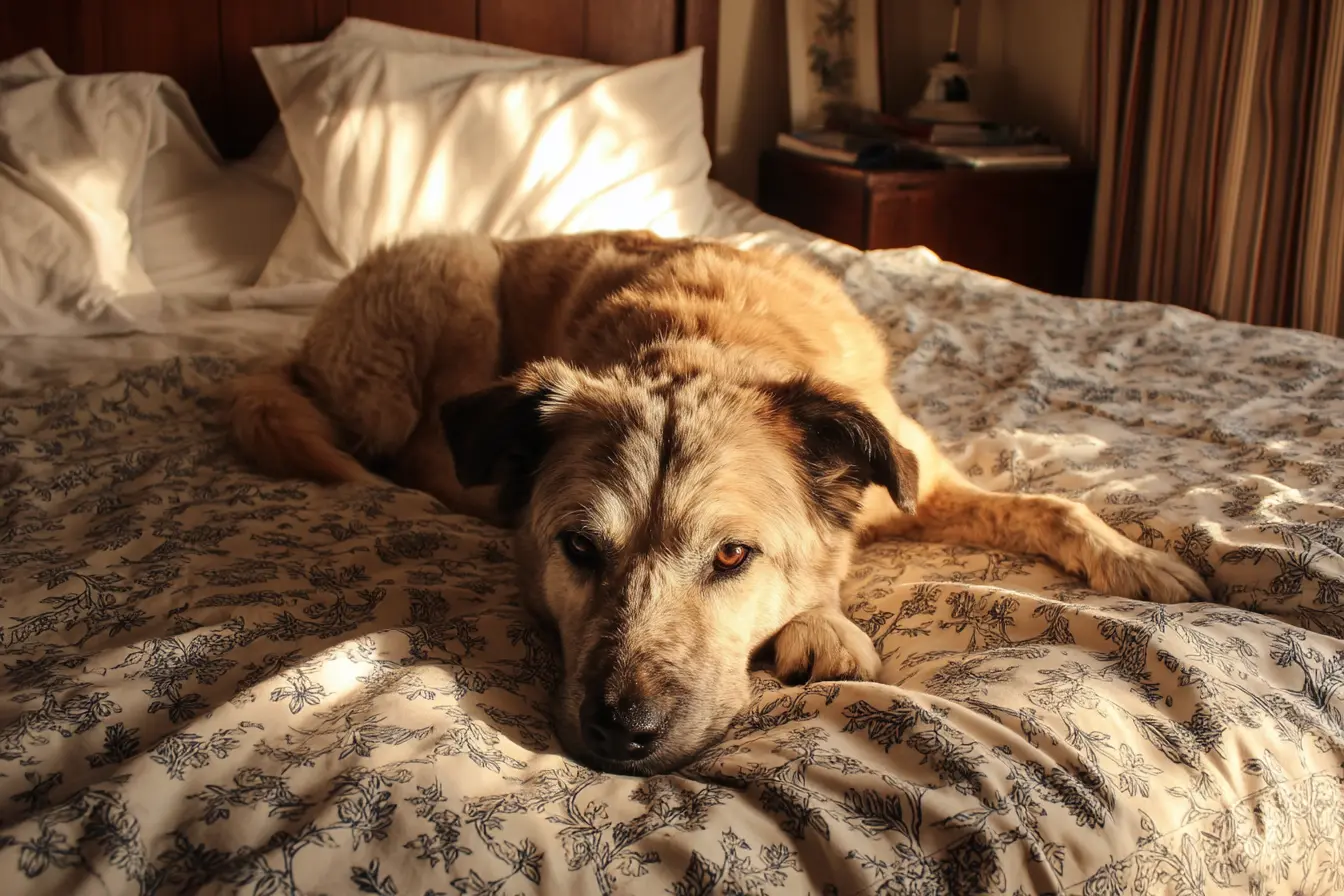
Dementia in dogs, also known as canine cognitive dysfunction, is a progressive neurological condition that affects older dogs, causing memory loss, confusion, and behavioural changes. It is similar to Alzheimer’s disease in humans and can significantly impact a dog’s quality of life.
Understanding the symptoms, causes, and management strategies can help dog owners provide the best possible care for pets affected by dementia.
What is dementia in dogs?
Canine dementia is a cognitive disorder that affects brain function in senior dogs. As a dog ages, changes in the brain, including the buildup of harmful proteins and reduced blood flow, lead to a decline in mental abilities. This results in disorientation, anxiety, and changes in sleep patterns and behaviour.
While there is no cure for dementia in dogs, early detection and supportive care can help slow its progression and improve the dog’s quality of life.
Causes of dementia in dogs
Dementia in dogs is primarily caused by age-related changes in the brain.
Common causes and contributing factors
Brain cell degeneration due to ageing
Plaque buildup in the brain, similar to Alzheimer’s in humans
Reduced blood flow and oxygen to the brain
Oxidative stress and damage to brain cells
Genetic predisposition in some breeds
Certain breeds, such as border collies, Labrador retrievers, and spaniels, may be more prone to cognitive dysfunction.
Symptoms of dementia in dogs
The symptoms of dementia in dogs progress gradually, often becoming more noticeable as the condition worsens.
Common signs of dementia
Disorientation and confusion, such as getting lost in familiar places
Changes in sleep patterns, including increased night-time restlessness
House soiling, even when previously house trained
Increased anxiety or agitation, sometimes leading to excessive barking or whining
Decreased interaction with owners, appearing withdrawn or less interested in affection
Repetitive behaviours, such as pacing, circling, or staring at walls
Difficulty recognising familiar people or objects
Reduced response to commands or name calling
Changes in appetite, either increased or decreased eating
If a dog shows any of these signs, a veterinary assessment is recommended to rule out other medical conditions.
Diagnosing dementia in dogs
There is no single test for dementia in dogs. A vet will diagnose the condition based on clinical signs, medical history, and by ruling out other conditions with similar symptoms.
Veterinary assessment may include
Physical examination to check for underlying health issues
Neurological tests to assess brain function
Blood tests to rule out metabolic diseases such as diabetes or thyroid problems
Imaging scans such as MRI or CT scans to evaluate brain changes
Early diagnosis allows for better management and improved quality of life.
Treatment and management of dementia in dogs
Although dementia cannot be cured, various treatments and lifestyle changes can help manage symptoms.
Medication
Selegiline, also known as Anipryl, can help slow cognitive decline by increasing dopamine levels in the brain
Antioxidant supplements such as vitamin E, omega-3 fatty acids, and SAMe support brain health
Anti-anxiety medication may help dogs with severe restlessness or agitation
Melatonin or sedatives can improve sleep patterns in dogs that are restless at night
Diet and nutrition
Special brain-supporting diets, such as those enriched with antioxidants, omega-3 fatty acids, and B vitamins, may help slow cognitive decline
Feeding consistency helps reduce confusion and anxiety
Environmental and behavioural support
Creating a structured and enriching environment can help a dog with dementia feel more secure.
Tips for managing dementia at home
Maintain a consistent daily routine to reduce confusion
Use puzzle toys and mental stimulation to keep the brain active
Avoid rearranging furniture, as familiar surroundings help with orientation
Use night lights if the dog experiences confusion in the dark
Provide gentle exercise to maintain mobility and mental stimulation
Play calm, familiar sounds to reduce anxiety
Alternative therapies
Some complementary treatments may provide additional support.
Aromatherapy with calming scents such as lavender
Acupuncture to improve circulation and relaxation
Massage therapy to reduce stress and improve comfort
How to support a dog with dementia
Providing compassionate care can make a significant difference in the well-being of a dog with dementia.
Ways to support a dog with cognitive decline
Be patient and understanding as the dog may become more forgetful
Offer gentle guidance if they appear lost or confused
Use verbal and physical cues to help with recognition and reassurance
Avoid punishment if they forget commands or have accidents indoors
Provide soft bedding and a comfortable resting area to improve sleep quality
End-stage dementia in dogs
As dementia progresses, a dog may experience severe disorientation, incontinence, and difficulty recognising loved ones. At this stage, owners should assess their dog’s quality of life.
Signs of severe dementia
Inability to eat or drink without assistance
Frequent distress, agitation, or vocalisation
Loss of awareness of surroundings
No longer recognising family members
Frequent house soiling with no control
In severe cases, vets may discuss palliative care or euthanasia if the dog is no longer comfortable.
Preventing dementia in dogs
While dementia cannot always be prevented, some steps may help delay its onset.
Ways to support brain health in ageing dogs
Provide lifelong mental stimulation through training, interactive toys, and new experiences
Feed a balanced diet rich in antioxidants and omega-3 fatty acids
Encourage regular exercise to support circulation and brain function
Schedule regular vet check-ups to detect early signs of cognitive decline
Keeping a dog mentally and physically active throughout life can help slow the progression of cognitive dysfunction.
When to see a vet
A vet should be consulted if a dog shows any of the following signs:
Sudden changes in behaviour, such as confusion or agitation
Increased night-time restlessness or disturbed sleep patterns
Difficulty recognising people, places, or objects
Repetitive pacing or compulsive behaviours
Loss of house training despite previous training
Early diagnosis and intervention can improve the dog’s quality of life.
Conclusion
Dementia in dogs is a progressive condition that affects memory, behaviour, and overall well-being. While there is no cure, early intervention, supportive care, and medication can help manage symptoms and slow cognitive decline.
Providing a stable environment, mental stimulation, and a balanced diet can enhance a dog’s quality of life. By understanding the signs and making appropriate adjustments, owners can ensure their senior dogs remain comfortable and cared for in their later years.
Quick questions
- What should I know about dementia?
- Dementia in dogs, or canine cognitive dysfunction, is a neurological condition affecting older dogs, leading to memory loss and behaviour changes similar to Alzheimer's in humans. Vet Verified can help you compare UK veterinary practices by location, species, services and opening hours before you call.
- When should I contact a vet about dementia?
- Contact a veterinary practice if your pet seems unwell, symptoms are getting worse, you are unsure what to do, or the situation may be urgent. Vet Verified helps you compare practice details, but a vet should advise on your pet's current care.
- Can Vet Verified help me find dog vets?
- Yes. Use Vet Verified to compare dog vets across the UK, then check practice profiles and call directly to confirm current availability.
Find a vet
Find a veterinary practice
Compare UK veterinary practices related to this topic. Call the practice to confirm its current services and availability.