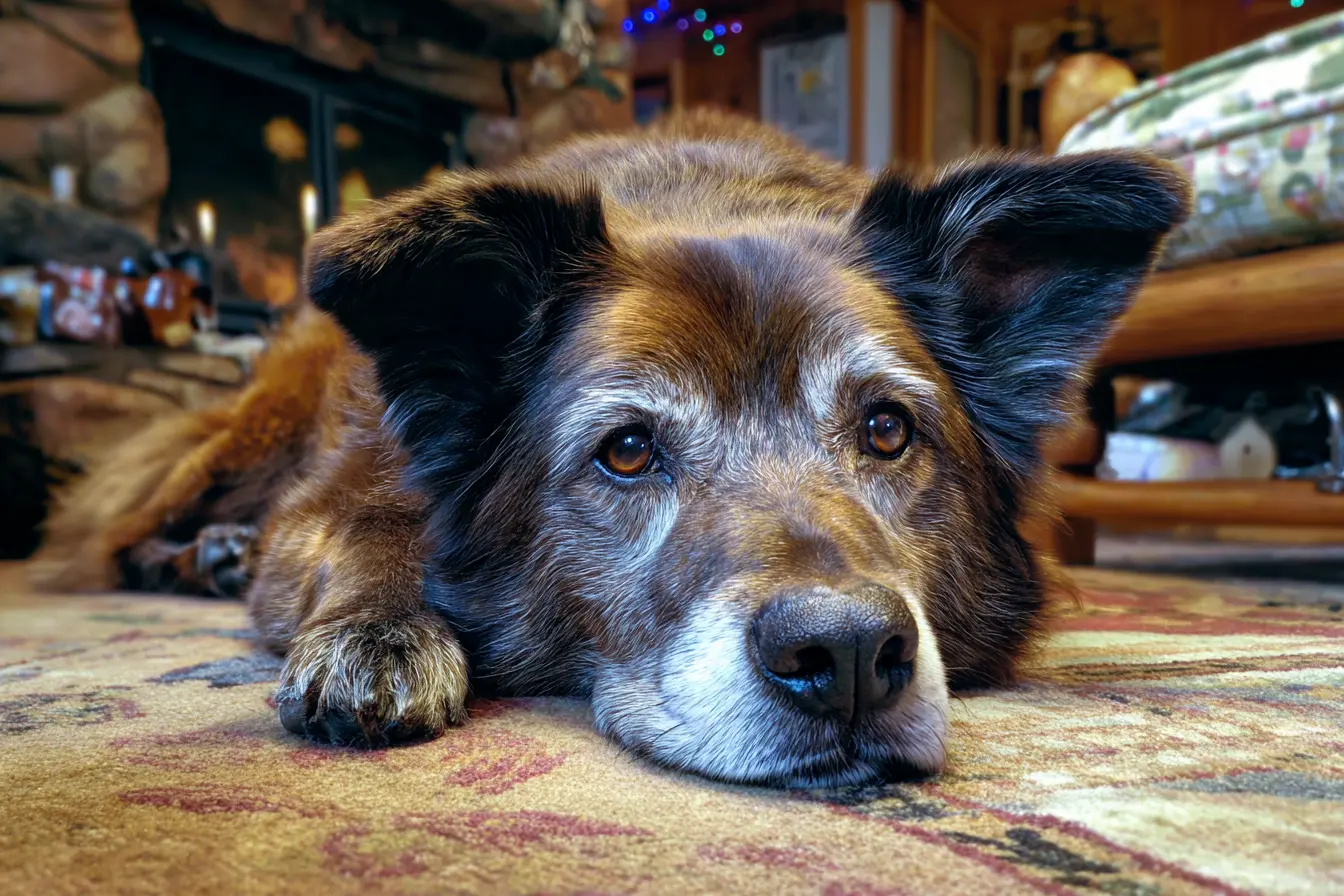
Mobility problems are common in dogs, particularly as they age, but they can affect dogs of any breed or life stage. Difficulty moving comfortably can have a major impact on a dog’s quality of life, affecting everything from exercise and play to eating, sleeping and toileting.
Recognising the signs early and understanding the possible causes can help ensure your dog receives the support and treatment they need.
What Are Mobility Issues in Dogs?
Mobility issues refer to any condition or problem that affects a dog’s ability to move normally.
This may involve difficulties with:
Walking
Running
Jumping
Climbing stairs
Standing up or lying down
Some mobility problems develop gradually over time, while others appear suddenly due to injury or illness.
Common Signs of Mobility Problems
Dogs often try to adapt to discomfort, so the signs can sometimes be subtle in the early stages.
You may notice:
Limping or favouring one leg
Stiffness, especially after rest
Slower movement on walks
Reluctance to jump or climb stairs
Difficulty standing up
Reduced interest in exercise or play
Slipping on smooth floors
Changes in posture or gait
Some dogs may also become irritable or withdrawn due to pain.
Common Causes of Mobility Issues
Mobility problems can result from a wide range of conditions.
Arthritis
Arthritis is one of the most common causes, especially in older dogs.
It involves:
Inflammation of the joints
Pain and stiffness
Gradual loss of flexibility
Arthritis often worsens over time without management.
Injury
Injuries can occur suddenly and may involve:
Sprains or strains
Torn ligaments
Fractures
Muscle injuries
Trauma from accidents or excessive activity can significantly affect movement.
Hip and Joint Disorders
Certain breeds are prone to conditions such as:
Elbow dysplasia
Luxating patella
These structural issues can lead to chronic discomfort and reduced mobility.
Obesity
Excess weight places additional strain on joints and muscles.
Obesity can:
Worsen arthritis
Reduce stamina
Increase pain during movement
Maintaining a healthy weight is essential for joint health.
Neurological Conditions
Problems affecting the nervous system can impact coordination and movement.
Signs may include:
Weakness in the limbs
Dragging paws
Loss of balance
Tremors
Neurological conditions often require urgent veterinary assessment.
How Mobility Issues Affect Daily Life
Reduced mobility can impact nearly every part of a dog’s routine.
Affected dogs may struggle with:
Going for walks
Climbing stairs
Getting into cars
Accessing beds or furniture
Playing and exercising normally
Over time, reduced activity can also affect emotional wellbeing and overall fitness.
Supporting a Dog With Mobility Problems
There are many ways to help improve comfort and maintain quality of life for dogs with mobility issues.
Adjusting the Home Environment
Small changes around the home can make movement easier and safer.
Helpful adjustments include:
Using non-slip rugs or mats
Providing ramps for stairs or furniture
Raising food and water bowls if needed
Keeping essentials easily accessible
Reducing physical strain can significantly improve comfort.
Providing Comfortable Bedding
Supportive bedding is especially important for dogs with joint pain or stiffness.
Good bedding should:
Be thick and supportive
Keep the dog warm and comfortable
Be easy to access without jumping
Orthopaedic beds are often beneficial for senior dogs or those with arthritis.
Managing Weight
Maintaining a healthy weight is one of the most effective ways to reduce pressure on joints.
You can help by:
Feeding a balanced diet
Limiting high-calorie treats
Encouraging gentle activity
Even modest weight loss can improve mobility significantly.
Encouraging Appropriate Exercise
Exercise remains important, even for dogs with mobility problems.
Gentle activity helps:
Maintain muscle strength
Support joint flexibility
Prevent stiffness
However, exercise should be adapted to your dog’s abilities.
Short, regular walks are often better than intense activity sessions.
Veterinary Treatment Options
Treatment depends on the underlying cause of the mobility issue.
Your vet may recommend:
Pain relief medication
Anti-inflammatory drugs
Joint supplements
Physiotherapy or hydrotherapy
Surgery in some cases
Early intervention often leads to better outcomes.
Hydrotherapy and Rehabilitation
Hydrotherapy can be particularly helpful for dogs with joint or muscle problems.
Benefits include:
Low-impact exercise
Improved muscle strength
Reduced joint pressure
Better flexibility and mobility
Rehabilitation programmes may also include massage or targeted exercises.
Monitoring for Pain
Dogs do not always show pain in obvious ways.
Signs of discomfort may include:
Panting excessively
Restlessness
Whining or vocalising
Reluctance to move
Changes in behaviour
Ongoing monitoring helps ensure pain is managed effectively.
When to Seek Veterinary Advice
Mobility issues should always be assessed if they:
Develop suddenly
Worsen over time
Cause visible pain or distress
Interfere with daily activities
Seek urgent veterinary attention if your dog:
Cannot stand or walk
Cries out in pain
Shows paralysis or dragging limbs
Experiences sudden weakness
Prompt assessment is important for identifying serious conditions.
Supporting Emotional Wellbeing
Reduced mobility can affect a dog emotionally as well as physically.
You can support them by:
Maintaining routines
Providing gentle interaction and reassurance
Adapting activities rather than stopping them completely
Avoiding frustration or punishment related to movement limitations
Patience and understanding are essential.
Preventing Mobility Problems
While not all mobility issues can be prevented, certain measures reduce the risk.
These include:
Maintaining a healthy weight
Providing regular exercise
Avoiding excessive strain during growth stages
Attending routine veterinary check-ups
Using joint-supportive nutrition where appropriate
Preventative care can help protect long-term joint health.
Conclusion
Mobility issues in dogs can significantly affect their comfort, independence and quality of life. However, with early recognition, appropriate veterinary care and supportive adjustments at home, many dogs continue to live active and happy lives.
By understanding the signs and responding promptly to changes in movement or behaviour, you can help your dog remain as comfortable and mobile as possible throughout every stage of life.
Quick questions
- What should I know about mobility issues?
- Learn about mobility problems in dogs, including common signs such as limping, stiffness, trouble standing and reluctance to exercise. Vet Verified can help you compare UK veterinary practices by location, species, services and opening hours before you call.
- When should I contact a vet about mobility issues?
- Contact a veterinary practice if your pet seems unwell, symptoms are getting worse, you are unsure what to do, or the situation may be urgent. Vet Verified helps you compare practice details, but a vet should advise on your pet's current care.
- Can Vet Verified help me find dog vets?
- Yes. Use Vet Verified to compare dog vets across the UK, then check practice profiles and call directly to confirm current availability.
Find a vet
Find a veterinary practice
Compare UK veterinary practices related to this topic. Call the practice to confirm its current services and availability.