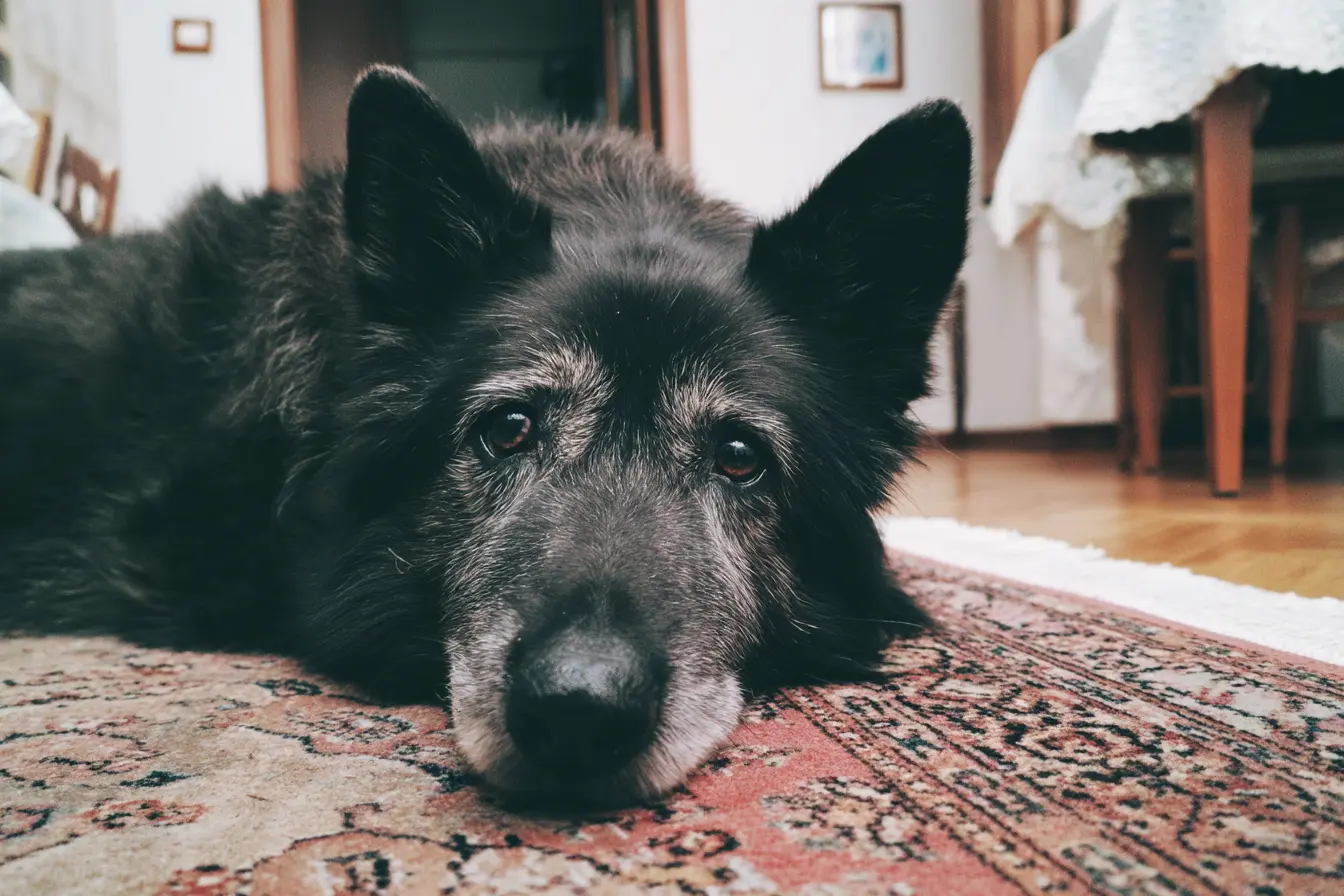
As dogs grow older, their needs begin to change. Activities that once came easily may become more difficult, energy levels may decrease, and age-related health conditions can start to develop. While ageing is a natural part of life, proper care and support can help senior dogs remain comfortable, healthy and happy well into their later years.
Understanding how to care for an ageing dog allows you to adapt to these changes and provide the best possible quality of life.
When Is a Dog Considered Elderly?
The age at which a dog is considered elderly varies depending on breed and size.
Generally:
Small breeds tend to age more slowly
Large breeds often become seniors earlier
Many dogs are considered senior from around seven years old, although giant breeds may show signs of ageing sooner.
Common Signs of Ageing in Dogs
Ageing affects dogs both physically and mentally.
Common signs include:
Reduced energy levels
Increased sleeping
Slower movement
Grey hairs around the face
Weight changes
Reduced hearing or vision
Some changes are a normal part of ageing, while others may indicate underlying health problems.
Nutrition for Senior Dogs
Diet becomes increasingly important as dogs age.
Older dogs may benefit from:
High-quality senior dog food
Controlled calorie intake
Easily digestible ingredients
Joint-supporting nutrients
Senior dogs often have lower energy requirements, so overfeeding can quickly lead to weight gain.
At the same time, some elderly dogs may lose weight due to reduced appetite or medical conditions.
Maintaining a Healthy Weight
Weight management is essential for older dogs.
Excess weight can:
Increase strain on joints
Worsen arthritis
Reduce mobility
Increase the risk of disease
Being underweight can also indicate health problems or muscle loss.
Regular weight checks and appropriate portion control help maintain a healthy condition.
Exercise and Mobility
Older dogs still need exercise, but their activity levels may need adjusting.
Gentle, regular exercise can help:
Maintain muscle strength
Support joint flexibility
Prevent obesity
Provide mental stimulation
Shorter, more frequent walks are often better than long or strenuous exercise sessions.
Arthritis and Joint Care
Arthritis is extremely common in elderly dogs.
Signs may include:
Stiffness, especially after rest
Limping or slower walking
Difficulty climbing stairs
Reluctance to jump or play
You can help by:
Providing supportive bedding
Using ramps or steps where needed
Keeping floors non-slip
Maintaining a healthy weight
Your vet may recommend medication or supplements to manage pain and inflammation.
Regular Veterinary Check-Ups
Routine veterinary care becomes even more important as dogs age.
Senior dogs should have:
Regular health examinations
Dental checks
Blood and urine testing when appropriate
Monitoring for chronic conditions
Early detection of illnesses such as kidney disease, arthritis or heart problems can improve outcomes significantly.
Dental Care
Dental disease is common in older dogs and can affect overall health.
Signs include:
Bad breath
Difficulty eating
Drooling
Bleeding gums
Regular dental care may involve:
Tooth brushing
Dental chews
Professional cleaning when required
Healthy teeth and gums improve comfort and quality of life.
Cognitive Decline in Elderly Dogs
Some senior dogs develop cognitive dysfunction, similar to dementia in humans.
Symptoms can include:
Confusion or disorientation
Changes in sleep patterns
Increased vocalisation
Forgetting routines or training
Maintaining routine and providing mental stimulation can help support cognitive health.
Vision and Hearing Changes
Ageing can affect your dog’s senses.
You may notice:
Reduced response to sounds
Cloudy eyes
Hesitation in unfamiliar environments
Startling more easily
Patience and consistency become especially important as sensory changes develop.
Creating a Comfortable Home Environment
Small changes around the home can greatly improve comfort.
Helpful adjustments include:
Orthopaedic bedding
Easy access to food and water
Non-slip rugs or mats
Ramps for furniture or cars
Keeping essentials on one level where possible
Comfort and accessibility help older dogs maintain independence.
Mental Stimulation and Enrichment
Mental stimulation remains important throughout a dog’s life.
Gentle enrichment activities may include:
Puzzle toys
Sniffing games
Gentle training sessions
Calm social interaction
Keeping the mind active can improve emotional wellbeing and cognitive function.
Monitoring Behaviour Changes
Behavioural changes can sometimes indicate discomfort or illness.
Watch for:
Increased irritability
Withdrawal or clinginess
Changes in appetite
Restlessness or pacing
Any sudden or significant changes should be discussed with your vet.
Supporting Emotional Wellbeing
Older dogs often become more emotionally sensitive and may rely more heavily on familiarity and reassurance.
You can support them by:
Maintaining consistent routines
Spending quality time together
Providing calm and gentle interaction
Avoiding unnecessary stress or disruption
Patience and understanding are essential as your dog ages.
End-of-Life Considerations
As difficult as it can be, thinking about end-of-life care is part of responsible pet ownership.
Focus should remain on:
Comfort and pain management
Quality of life
Maintaining dignity
Your vet can help guide you through difficult decisions with compassion and support.
Conclusion
Caring for an ageing or elderly dog involves adapting to their changing physical and emotional needs. With proper nutrition, regular veterinary care, appropriate exercise and a supportive environment, senior dogs can continue to enjoy a happy and comfortable life.
Growing older may bring challenges, but it also deepens the bond between you and your dog. By providing patience, care and understanding, you can help ensure their later years are filled with comfort, security and love.
Quick questions
- What should I know about ageing-dog-care?
- Ageing dog care: simple steps to keep senior dogs healthy and comfortable. Watch for signs of ageing like less energy, more sleep, grey hair and slow movement. Vet Verified can help you compare UK veterinary practices by location, species, services and opening hours before you call.
- When should I contact a vet about ageing-dog-care?
- Contact a veterinary practice if your pet seems unwell, symptoms are getting worse, you are unsure what to do, or the situation may be urgent. Vet Verified helps you compare practice details, but a vet should advise on your pet's current care.
- Can Vet Verified help me find dog vets?
- Yes. Use Vet Verified to compare dog vets across the UK, then check practice profiles and call directly to confirm current availability.
Find a vet
Find a veterinary practice
Compare UK veterinary practices related to this topic. Call the practice to confirm its current services and availability.