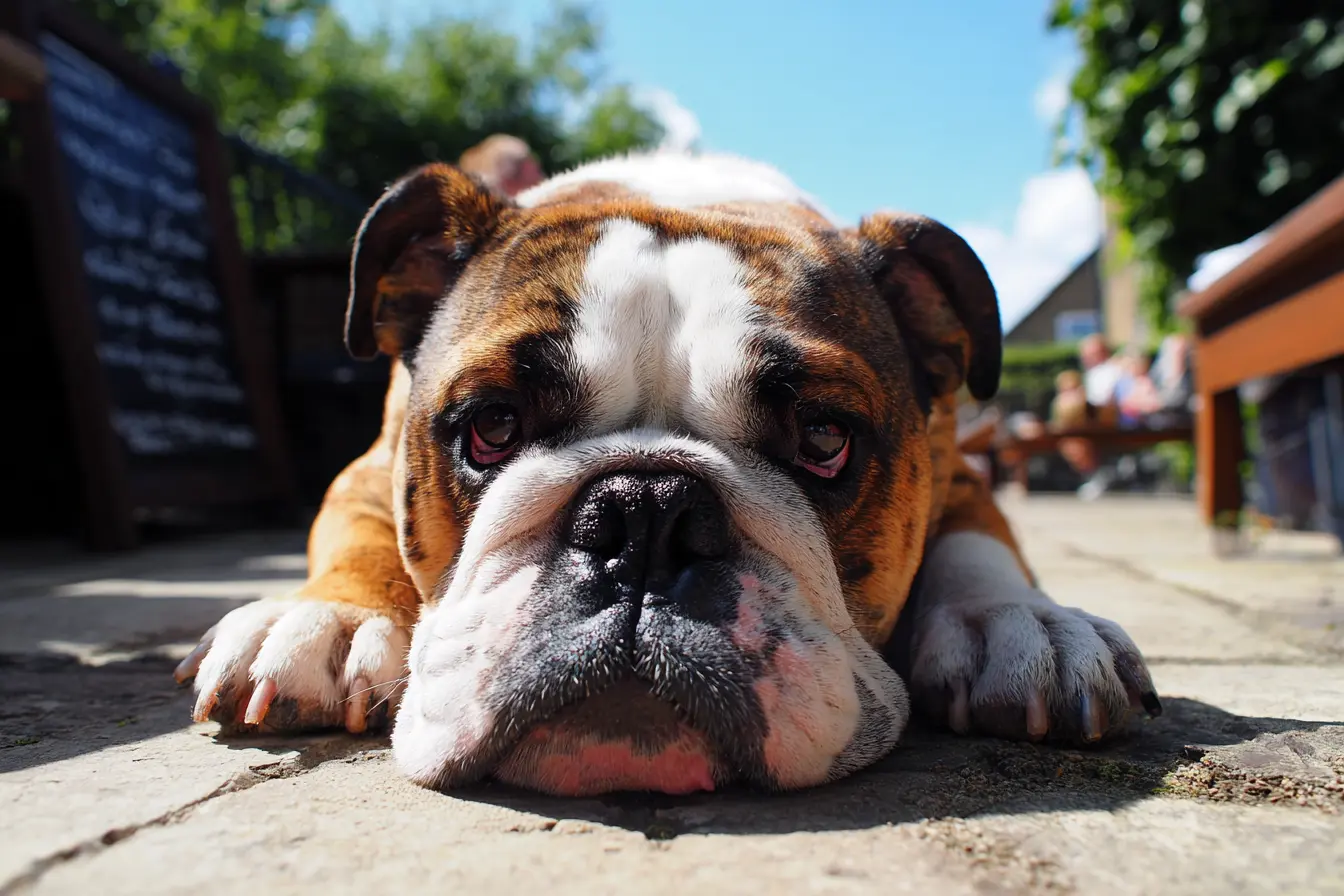
If a French Bulldog, Pug, English Bulldog or another brachycephalic (flat-faced) breed is part of your family, it's important to know that these dogs can struggle to cope with warm weather. Because of the way their airways are shaped, they are more likely to overheat than many other dogs, so warm weather is a time when extra care is needed.
Dogs regulate their body temperature mainly through panting. Flat-faced breeds have narrower airways, making it harder for air to move through the respiratory tract. This means panting is less effective at cooling them down, increasing their risk of overheating.
Their shorter noses also make it more difficult to cool the air as it passes through the respiratory tract. Although these dogs have shorter faces, the tissues inside their airways are often crowded into a much smaller space. This can narrow the airway and make breathing more difficult. In some dogs, these changes are severe enough to cause brachycephalic obstructive airway syndrome (BOAS).
Breathing requires more effort, which can generate additional body heat and further increase the risk of overheating. As a dog pants harder, the tissues within the airway can become swollen, making it even more difficult for air to pass through. This can quickly create a dangerous cycle where breathing becomes increasingly difficult and the risk of heatstroke rises.
Studies have shown that brachycephalic breeds are more likely to develop heat-related illness (problems caused by overheating) than dogs with longer noses. French Bulldogs and English Bulldogs are among the breeds considered to be at particularly high risk.
Signs of Overheating to Watch For
The early signs of overheating can be easy to miss and may initially look like normal panting after exercise. Watch out for excessive panting, noisy breathing, restlessness, bright red gums, excessive drooling or a reluctance to continue walking or exercising.
As your dog's body temperature rises, breathing may become more difficult. You may notice them breathing faster and harder than usual, making louder breathing noises or stretching their neck out in an effort to breathe more comfortably. Some dogs may also seem unable to settle, even when offered rest, shade and water.
As heat-related illness progresses, dogs may become weak, unsteady on their feet, confused or disorientated, and may eventually collapse. In severe cases, heatstroke can be life-threatening and requires immediate veterinary treatment.
In my experience as a registered veterinary nurse, many owners underestimate how quickly brachycephalic dogs can deteriorate once signs of overheating begin. A common situation seen in practice is owners assuming their dog is simply tired after exercise, when in reality the panting and breathing effort have already progressed beyond what would normally be expected. By the time more obvious signs appear, such as weakness, collapse or severe breathing difficulties, emergency treatment may already be required.
If your dog is showing signs of overheating, seek veterinary advice as soon as possible. Don't wait until severe breathing difficulties or collapse occur before contacting a veterinary professional.
What Should You Do if Your Dog Is Overheating?
As a registered veterinary nurse, I have seen how important early action can be for brachycephalic dogs showing signs of overheating. Current advice is often summarised as "cool first, transport second", meaning you should start cooling your dog straight away rather than waiting until you arrive at a veterinary practice.
Stop and move somewhere cool. Stop any activity and move your dog to a cool, shaded or air-conditioned area. Keep them as calm and quiet as possible, which can reduce excessive panting and make breathing more comfortable.
Start cooling straight away. Apply cool (not ice-cold) water to the coat and increase airflow with a fan or air conditioning. The airflow helps water evaporate from the coat, so your dog loses heat more quickly. Wet towels have traditionally been used, but wetting the coat with good airflow is often more effective. Offer fresh drinking water, but never force water into your dog's mouth, especially if they are distressed, confused or struggling to breathe.
Contact a vet. Arrange veterinary attention while you continue cooling.
Keep cooling on the way. Where possible, continue cooling measures during the journey.
Get a vet check even if your dog seems better. Heat-related illness can worsen quickly, and serious complications may develop after an initial improvement.
What Happens at the Veterinary Practice?
When your dog arrives at the practice, the veterinary team will quickly assess their condition and begin any treatment that may be needed. This will usually include checking your dog's temperature, breathing, heart rate and overall condition. If cooling measures have not already been started, they will be initiated immediately.
Depending on the severity of the case, treatment may include intravenous fluids, oxygen therapy and other supportive care. Blood tests may also be recommended to check for complications that can occur when a dog becomes dangerously overheated.
Some brachycephalic dogs can develop significant swelling within the airway, making breathing even more difficult. In these cases, additional treatments and close monitoring may be required to help keep the airway open and support breathing.
Even after your dog's temperature has returned to normal, ongoing monitoring is often necessary. Heat-related illness can affect several organs, and complications may not become apparent until hours later. Depending on the severity of the condition, some dogs may need to stay at the practice overnight or for several days while they recover.
Preventing Heat-Related Illness
Prevention is always better than treatment, especially when it comes to heat-related illness.
Because brachycephalic dogs can struggle to regulate their body temperature, take extra precautions during warm weather. Limit exercise to the cooler parts of the day, and don't leave your dog outside for long periods in hot conditions.
Heat-related illness doesn't only occur during heatwaves. Even moderately warm temperatures can be enough to cause problems, particularly when combined with exercise, excitement, stress, humidity or poor ventilation. High humidity makes it even harder for dogs to cool themselves through panting, so your dog may still be at risk of overheating even when the temperature doesn't seem excessively high.
Make sure fresh drinking water is always available, and give your dog access to shaded, well-ventilated or air-conditioned areas whenever possible. Never leave your dog unattended in a parked vehicle, where temperatures can rise rapidly and become life-threatening within minutes.
Be mindful of hot surfaces too. Pavements, artificial grass and other surfaces exposed to direct sunlight can become extremely hot and may contribute to overheating while also burning your dog's paw pads. If a surface feels too hot to comfortably touch with the back of your hand for several seconds, it is likely too hot for your dog to walk on.
Extra Considerations for Dogs with BOAS
Dogs with BOAS already have some degree of airway obstruction, which makes it even more difficult for them to regulate their body temperature and cope with warm weather. As a result, they may be at an even greater risk of overheating.
If your dog has BOAS, be particularly cautious during warm weather and pay close attention to their breathing during exercise and outdoor activities.
Final Thoughts
By understanding the challenges that brachycephalic breeds face, you can take simple steps to keep your dog safe during warmer weather. Recognising the early signs of overheating, taking preventative measures and seeking veterinary advice promptly when concerns arise can make a significant difference. With the right precautions, you can help reduce the risk of heat-related illness and keep your dog comfortable throughout the summer.
Quick questions
- What should I know about brachycephalic dogs overheating?
- Flat-faced dogs, such as French Bulldogs, Pugs and English Bulldogs, can overheat quickly because their narrow airways make panting and breathing harder. Vet Verified can help you compare UK veterinary practices by location, species, services and opening hours before you call.
- When should I contact a vet about brachycephalic dogs overheating?
- Contact a veterinary practice if your pet seems unwell, symptoms are getting worse, you are unsure what to do, or the situation may be urgent. Vet Verified helps you compare practice details, but a vet should advise on your pet's current care.
- Can Vet Verified help me find dog vets?
- Yes. Use Vet Verified to compare dog vets across the UK, then check practice profiles and call directly to confirm current availability.
Written by
Adriana Silva
Adriana Silva is a Registered Veterinary Nurse with 10 years of experience and a special interest in animal welfare, emergency and critical care, anaesthesia, and veterinary education. She is passionate about helping pet owners better understand their pets' health and promoting practical, evidence-based approaches to improving animal welfare and wellbeing.
Find a vet
Find a veterinary practice
Compare UK veterinary practices related to this topic. Call the practice to confirm its current services and availability.
Urgent and out-of-hours
- 24-hour vets Find veterinary practices near you that list one or more days as open 24 hours. Compare opening hours, services and contact details, then call before travelling.
- Emergency vets Find veterinary practices near you that list emergency opening hours. Compare contact details and services, then call immediately if your pet needs urgent care.