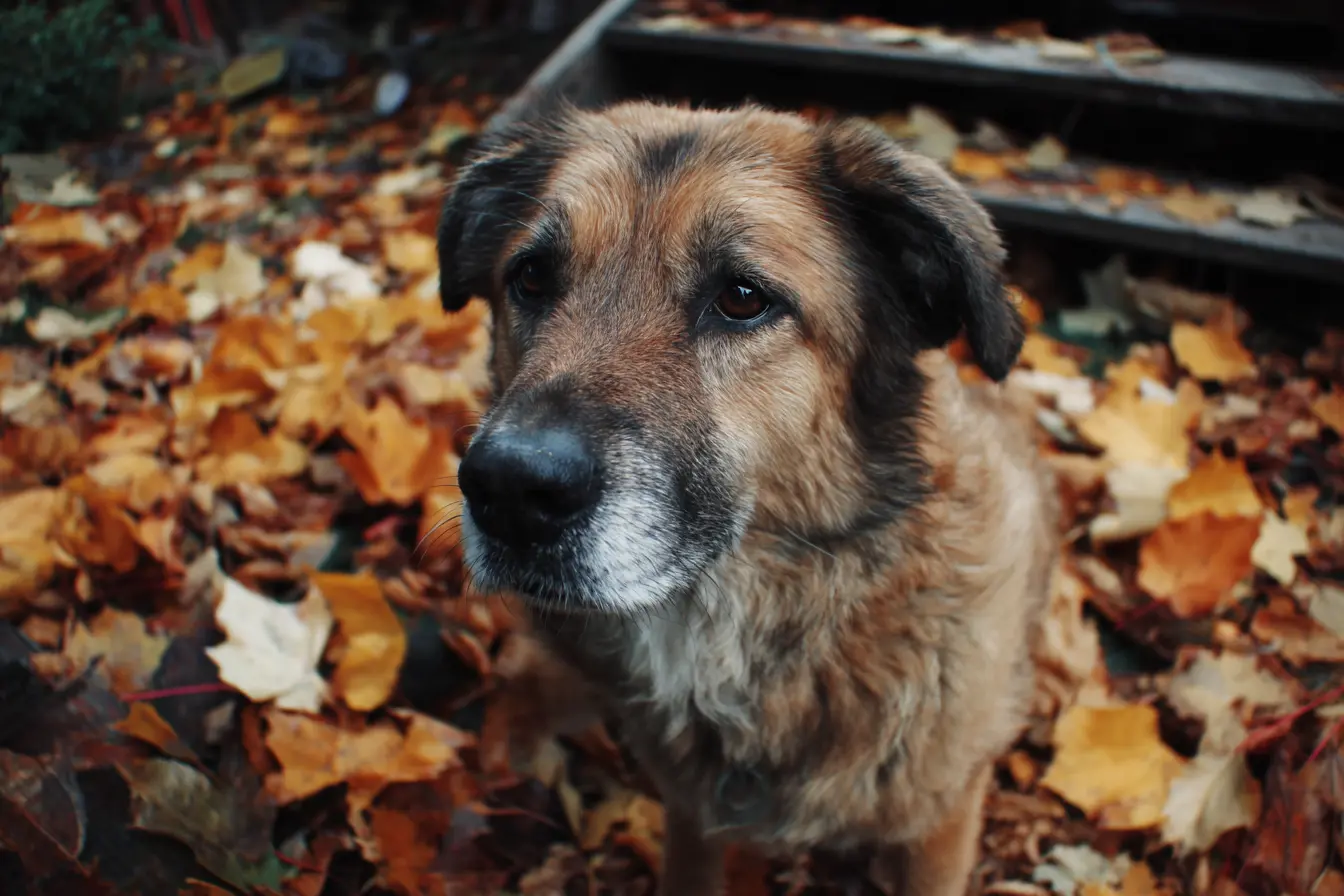
Yes, conkers are poisonous to dogs, and acorns and wild fungi can make them ill too. If your dog has eaten, or may have eaten, any of them, move them away from the area and phone your vet straight away, even if they seem well. Do not try to make your dog sick.
Conkers and acorns carry two risks. They contain substances that upset the stomach and gut, and their hard shape means a whole one can cause choking or a blockage. Severe poisoning from conkers or acorns is uncommon, but a blockage can need surgery. Wild fungi are a different problem: most cause a stomach upset, but a few UK species can be deadly, and a dog can seem well at first.
Are conkers poisonous to dogs?
Conkers are the seeds of the horse chestnut tree. They contain a toxin called aesculin, and The Royal Kennel Club says a dog may become unwell between one and six hours after eating them, though in rare cases signs are delayed by a few days.
Vomiting is the most common sign, and the sick may contain blood. Dogs can also have diarrhoea, drool, seem thirsty, go off their food, or show tummy pain. Less often they become restless, wobbly or shaky. The Veterinary Poisons Information Service (VPIS) says that about a third of dogs that eat conkers show no signs, but there is no way to know in advance which group your dog will be in, and a lack of early signs does not rule out a blockage.
A whole conker, or a large piece, can lodge in the throat or travel into the gut and get stuck. The size of the dog, whether the conker was chewed and how many were eaten are all useful details for the veterinary team.
If your dog has a conker in their mouth, use a familiar drop cue if they have one. Do not put your hand into their mouth if you cannot clearly reach the conker, as a frightened or sore dog may bite.
Acorns can be harmful too
Acorns are the fruit of oak trees. They contain tannins, which irritate the stomach and gut. They are easy to miss when scattered under trees or hidden in leaf piles, and some dogs will crunch or swallow them while sniffing about.
VPIS says the most common signs in dogs that become ill are vomiting and diarrhoea, which may contain blood, along with tummy tenderness, poor appetite and low energy. Occasionally, dogs have swelling of the lips or around the eyes. Veterinary references also list kidney damage as a rare complication, mainly after large amounts. As with conkers, a whole acorn or a cluster of pieces can cause a blockage, and the outlook is less certain when that happens.
It is not sensible to judge the risk by your dog’s breed or size. Any dog can swallow something that does not pass through as it should, though small dogs and puppies are more likely to get a conker or acorn stuck.
Why fungi need prompt advice
Mushrooms and other fungi grow in damp grass, gardens and woodland, especially in autumn. Many cause vomiting and diarrhoea, but PDSA warns that some can cause abnormal heart rhythms, fits or organ failure, and can be fatal. Some of the most dangerous, such as the death cap, may not cause signs for many hours, by which time the liver can already be damaged.
Do not try to decide whether a mushroom is safe from its colour, shape or a picture, or with an identification app. Toxic and harmless species can look alike, and even experts struggle to identify a fungus from a chewed piece or a photo. Treat any wild mushroom your dog eats as potentially poisonous.
If you find chewed fungi near your dog and cannot tell how much has gone, treat it as a possible ingestion and phone your vet straight away. If it is safe and quick to do, take a photo and collect a whole specimen of the same fungus in a paper bag, without touching it bare-handed, to bring with you, but do not delay the call to do it.
Signs to watch for after an ingestion
These signs can have other causes, but they matter when your dog may have eaten a conker, acorn or fungus:
- vomiting or diarrhoea, especially with blood
- drooling, tummy pain, eating less or low energy
- yellow gums or eyes
- wobbliness, tremors or fits
- struggling to breathe
- collapse
Trouble breathing, a fit or collapse is an emergency. Call your vet or the nearest emergency vet at once and set off as soon as they tell you to. Do not wait to see whether milder signs pass, as a dog that appears normal straight after eating something may still need treatment.
What to do if your dog eats one
These steps give your vet what they need without holding up the call:
- Move your dog away from the remaining conkers, acorns or fungi so they cannot eat more.
- If they are choking, struggling to breathe, having a fit or have collapsed, call an emergency vet immediately.
- Otherwise, phone your usual vet straight away, or its out-of-hours service if the practice is closed.
- Say what may have been eaten, when, whether it was whole or chewed, roughly how many, and any signs you have noticed.
If you cannot reach a vet quickly, Animal PoisonLine, run by VPIS, gives owners advice 24 hours a day on 01202 509000. It charges a fee per call. Do not give salt water or anything else to make your dog sick, and do not give human medicines.
Reducing the risk on walks and at home
You do not need to stop autumn walks. In areas with lots of conkers or acorns, keep a scavenging dog close enough to see what goes into their mouth, and use a lead if they rush through leaf piles. Teaching a reliable “leave it” and “drop” helps all year round.
At home, pick up fallen conkers and acorns from places where your dog plays or goes to the toilet. Check damp parts of the garden for mushrooms, especially after wet weather, and remove them. Fungi grow back, so make this part of your usual garden check rather than a one-off job.
If your dog often eats things they find outdoors, mention it at their next vet visit so the practice can help with training and knows about the habit.
Quick questions
- What should I know about are conkers poisonous to dogs?
- Conkers and acorns can poison dogs and cause choking or a gut blockage, and some wild fungi can be deadly. What signs to look for and why to call a vet straight away. Vet Verified can help you compare UK veterinary practices by location, species, services and opening hours before you call.
- When should I contact a vet about are conkers poisonous to dogs?
- Contact a veterinary practice if your pet seems unwell, symptoms are getting worse, you are unsure what to do, or the situation may be urgent. Vet Verified helps you compare practice details, but a vet should advise on your pet's current care.
- Can Vet Verified help me find dog vets?
- Yes. Use Vet Verified to compare dog vets across the UK, then check practice profiles and call directly to confirm current availability.
Find a vet
Find a veterinary practice
Compare UK veterinary practices related to this topic. Call the practice to confirm its current services and availability.
Search by species
- Dog vets Find UK veterinary practices that list care for dogs. Compare opening hours, services, facilities and verified profiles, then contact a practice directly.
- Horse vets Find UK veterinary practices that list care for horses or other equines. Compare services, facilities, contact details and verified profiles, then contact a practice directly.
Urgent and out-of-hours
- 24-hour vets Find veterinary practices near you that list one or more days as open 24 hours. Compare opening hours, services and contact details, then call before travelling.
- Emergency vets Find veterinary practices near you that list emergency opening hours. Compare contact details and services, then call immediately if your pet needs urgent care.
- Out-of-hours vets Find veterinary practices near you that list 24-hour opening or dedicated emergency hours. Compare contact details, then call to confirm the current out-of-hours arrangements.