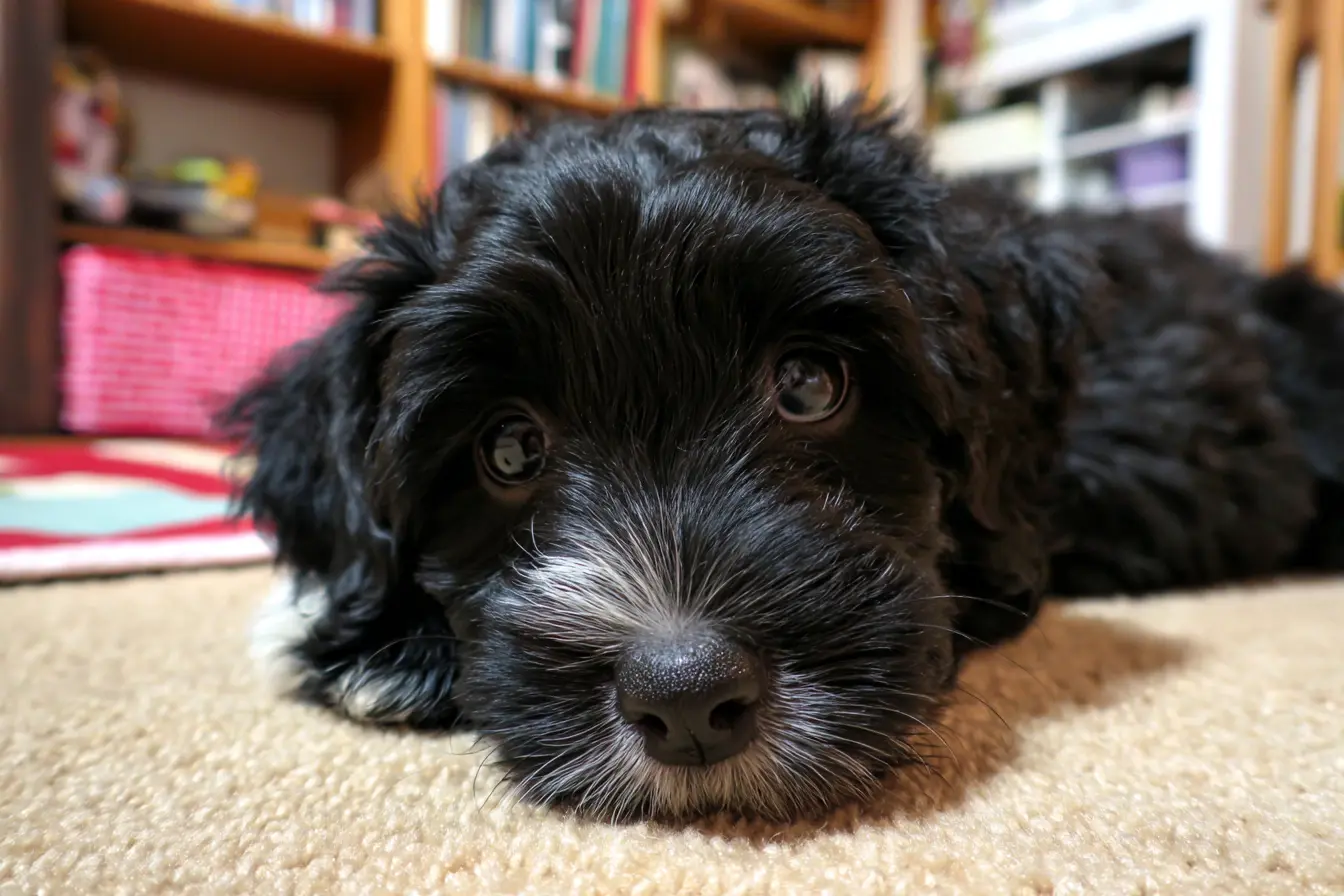
To buy a puppy safely in the UK, buy it directly from the person who bred it or from a reputable rehoming organisation, see it with its mother where it was raised, and check the breeder’s licence and paperwork before you pay anything. Walk away if a seller rushes you, wants a deposit before you have visited or will not let you meet the mother.
A good breeder will expect questions and will want to know whether their puppy is going to a suitable home. Missing one litter is disappointing, but it is better than taking home a puppy whose start in life you cannot check.
Start with the breeder
Ask who bred the puppy, where it was born and where it has been raised. Before agreeing to buy, ask to see the puppy with its mother and the rest of the litter in the home where they live.
Seeing them together does not tell you everything, but it lets you look beyond a single puppy brought in for a viewing. You can see where the litter sleeps, how the mother is with her puppies, and whether the seller can speak openly about their care. A clean-looking room is not enough if you cannot see where the puppies have actually been kept.
The rules known as Lucy’s Law ban third-party sales. In England (since April 2020) and in Wales and Scotland (both since September 2021), a pet shop, dealer or other commercial seller cannot sell you a puppy it did not breed itself. Northern Ireland does not yet have this ban: proposals for its own version were approved in October 2026, but the regulations still have to go through the Assembly and there will be a lead-in period before they apply. Wherever you live, a seller acting as a middle person is a reason to stop.
Do not agree to meet in a car park, at a service station or at another neutral place. A seller may give a reason why the mother is not there, but you do not have to accept it.
Check whether the breeder is licensed
A licence is not proof that a breeder does everything well, but it is one useful check. Government guidance says licensed dog breeders and pet sellers should show their council licence number in their adverts. Ask for the number and check it with the council that issued it, rather than relying on the advert.
The point at which a breeder needs a licence depends on where they are. In England, it is anyone who breeds three or more litters in a 12-month period and sells any of the puppies, or who runs a business breeding and advertising dogs for sale. In Scotland, it is anyone breeding three or more litters in any 12 months. In Wales, it is breeders with three or more breeding bitches. In Northern Ireland, it is breeders with three or more breeding bitches who also breed, advertise or supply three or more litters a year, or who advertise a breeding or selling business.
So a breeder who has a single litter from the family pet may not need a licence anywhere in the UK, and no licence does not by itself show poor welfare. The visit, the puppy’s records and the breeder’s answers still matter. Councils inspect before granting a licence and can inspect again later.
If a seller says they are licensed but will not give a number, or tells you not to contact the council, do not go ahead. Several breeds or litters advertised at the same time, the same photos appearing across adverts and little knowledge of the breed are also warning signs. None proves a puppy farm by itself, but together they give you good reason to walk away.
Look at the puppy’s early life
A breeder’s home does not need to look spotless, because young puppies are messy. The place where they live should be clean, warm, dry and safe, with enough room and fresh water. The puppies should look clean and alert, and move around normally.
Look at the mother as well as the litter. Discharge from the eyes or nose, coughing, snuffling, a poor coat, or puppies that do not seem bright are reasons not to buy without first speaking to a vet.
Ask how the puppies have been handled and what they have met in everyday life, such as different people, household sounds and gentle handling. Early experiences shape a puppy, but no breeder can promise an adult dog’s exact character.
If possible, visit more than once before deciding. A responsible breeder should not object to you seeing the puppy again, and you should be able to see the full litter, not just the puppy on offer.
Warning signs that mean you should walk away
- You cannot see the puppy with its mother at the place where it was born.
- The seller wants money before you visit, presses you to decide quickly or offers to hand the puppy over straight away.
- They suggest meeting away from the puppy’s home.
- They cannot answer basic questions about the breed, the parents or the puppy’s care.
- They cannot show medical, microchip or health-test records.
- The dogs look unwell, frightened, dirty or poorly cared for.
- A very young puppy is advertised with a pet passport, or the seller cannot say clearly where it came from.
It is natural to feel sorry for a puppy in a poor situation, but buying it may pay for the same seller to breed or bring in more. If you are worried about poor welfare or illegal selling, keep the advert and messages and report it to the local council or an animal welfare charity such as the RSPCA or, in Scotland, the Scottish SPCA.
Ask for paperwork before you pay
Government guidance says a responsible seller will never sell a puppy younger than eight weeks. They should give you medical records, including vaccination certificates if vaccinations have started, microchip details and evidence of flea and worm treatment.
Dogs in every part of the UK must be microchipped by eight weeks old, so the puppy should be chipped before it comes home with you. Ask for the chip number and the name of the database. The breeder’s details should be on the record, and you update it to your own details once the puppy is yours.
Ask about health testing. The tests that matter depend on the breed and the parents, including for crossbreeds. Ask which inherited conditions are relevant, whether both parents had the appropriate tests and whether you can see the results. Screening cannot promise a puppy will never be ill, but it lowers the risk of some inherited diseases being passed on.
Ask whether the puppy or either parent has had health or behaviour problems, and whether the puppy has had any veterinary treatment. If you do not understand a health result, ask a vet before you pay a deposit.
The free Puppy Contract, produced by the RSPCA and the Animal Welfare Foundation, gives you a set of questions about the parents, health, socialisation and records for the breeder to answer. Keep copies of the contract, the advert, messages and every document you are given.
Take care with online adverts
An online advert is only a starting point. The Pet Advertising Advisory Group, whose advice Dogs Trust shares, advises against buying pets directly through social media, where sellers can be hard to trace. A proper advert should include a recognisable photo of the puppies with their mother, plus the breed, age and sex. It should also say whether the puppy is microchipped and whether the sale is private, licensed or through a rescue or rehoming centre.
Talk to the breeder before sending money and arrange a visit. A careful breeder may ask about your work pattern, home and plans for the dog, which shows they are thinking about the puppy’s future.
Be particularly cautious if a seller advertises a pet passport for a very young puppy. Under current government guidance, a puppy brought into Great Britain must be at least 15 weeks old if it comes from the EU or another listed country, and at least seven months old from other countries. A 2025 law means the minimum is due to rise to six months once regulations under it are made. If a seller says the puppy was born abroad, ask to see the travel document, and walk away if the age or story does not add up.
Take the right information home
Collect your puppy yourself from the breeder or rehoming centre, along with its microchip details, medical records, food information and health-test results. Update the microchip record with your own details promptly, then keep the chip number and database name with your other pet papers.
Book a vet appointment for the first few days after your puppy arrives. Your vet can check the puppy over, plan vaccinations and parasite treatment, scan the microchip and answer questions about feeding and early care. If your puppy seems unwell, contact a vet promptly rather than relying on the seller’s advice.
Quick questions
- What should I know about buying a puppy safely uk?
- Practical checks for buying a puppy safely in the UK, including Lucy’s Law, breeder licences, records and puppy-farm warning signs. Vet Verified can help you compare UK veterinary practices by location, species, services and opening hours before you call.
- When should I contact a vet about buying a puppy safely uk?
- Contact a veterinary practice if your pet seems unwell, symptoms are getting worse, you are unsure what to do, or the situation may be urgent. Vet Verified helps you compare practice details, but a vet should advise on your pet's current care.
- Can Vet Verified help me find dog vets?
- Yes. Use Vet Verified to compare dog vets across the UK, then check practice profiles and call directly to confirm current availability.
Find a vet
Find a veterinary practice
Compare UK veterinary practices related to this topic. Call the practice to confirm its current services and availability.