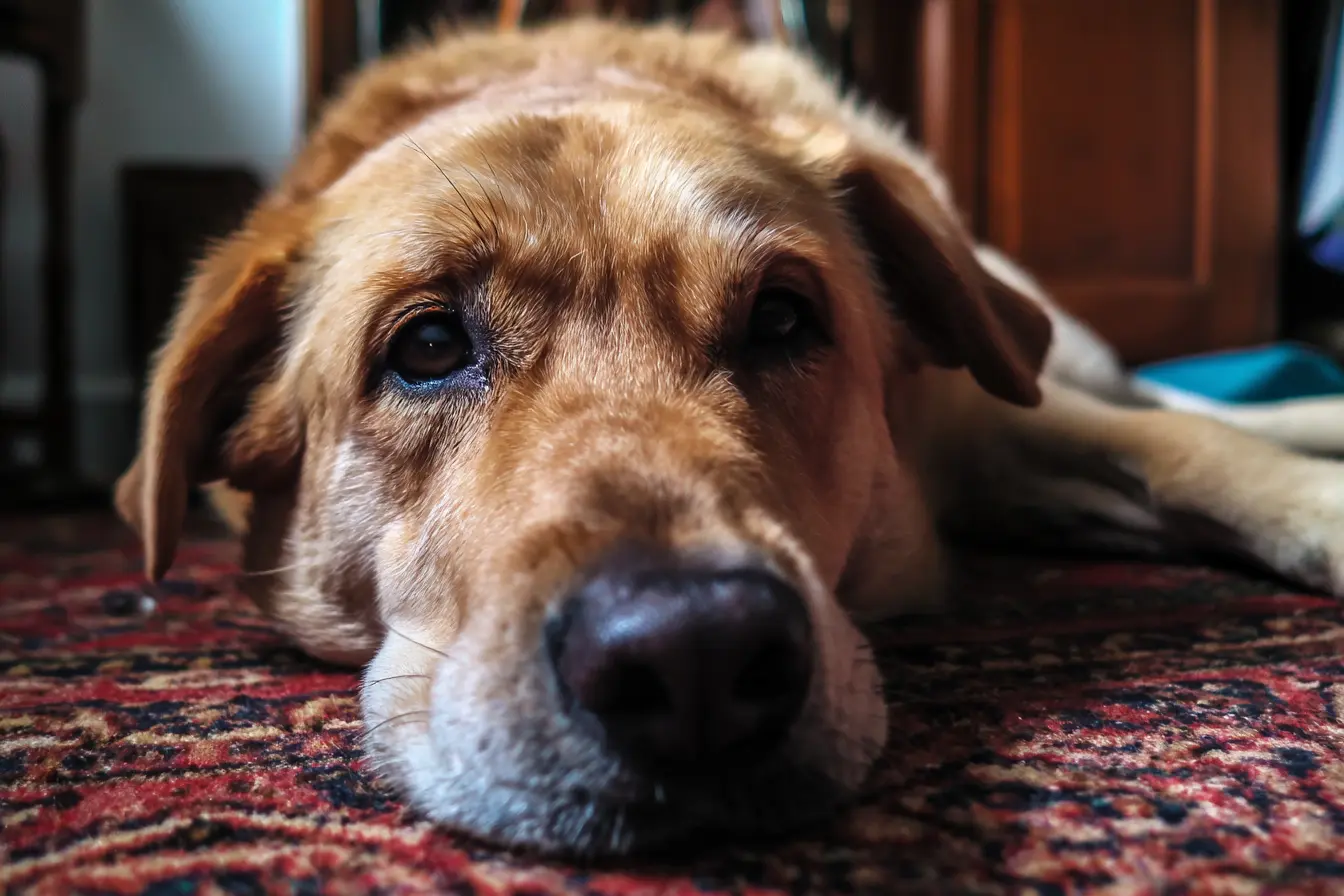
Call your vet straight away if you think your dog or cat has eaten rat or mouse poison, even if they seem well. The most common baits in the UK stop the blood clotting, and signs often don’t appear for three to five days, by which time your pet may be bleeding internally. Treatment started before then can prevent the bleeding. If your usual practice is shut, ring its out-of-hours number or an emergency vet.
If it is safe, keep the packet, bait station or a clear photo of the label. Your vet needs the brand name and active ingredient, as well as the time of the possible exposure. Do not put your hand in your pet’s mouth or take risks trying to retrieve bait.
Why rat poison is dangerous to pets
Rodenticides are products used to kill rats and mice. They may be sold as blocks, pellets, pastes, grains or gels. Baits are made to attract rodents, which means a curious dog or cat may eat them too.
The words “rat poison” do not tell your vet exactly what is in the bait. The main types used in the UK work in different ways.
Anticoagulants are the most common. Many contain difenacoum, bromadiolone or brodifacoum, and products sold to the public are limited in strength, while professional products can be stronger. These are second-generation anticoagulants: they are long-acting and stop the body recycling vitamin K, which it needs to make clotting factors. Bleeding can happen inside or outside the body, and may not be obvious when it is in the chest or abdomen.
Alphachloralose is used in mouse baits for indoor use, often sold as treated grain in small sachets. It depresses the brain and nervous system and acts quickly, often within one to two hours. It can also make an animal dangerously cold.
Cholecalciferol, a form of vitamin D, is found in some baits used by professional pest controllers. It can cause sudden kidney failure and heart problems. Vitamin K does not treat alphachloralose or cholecalciferol poisoning, so your vet needs to know which product was involved.
A pet may be exposed by eating bait directly or by eating a rodent that has taken bait. International Cat Care says rodenticides are the pesticides most often seen in cat poisonings, usually because the cat has eaten poisoned prey. Cats can also be poisoned by catching mice slowed down by alphachloralose. With anticoagulants, the risk from eating rodents is greatest when a pet eats several over days or weeks, such as on farms where bait is used a lot, because the poison builds up in the body. Tell your vet if your pet has caught, mouthed or eaten a rodent, even if you have not seen any bait.
What to do straight away
Phone the vet before trying to work out exactly how much was eaten. Whether your pet needs treatment depends on the product, its strength, the amount and whether they could have eaten bait more than once, because small amounts of anticoagulant add up. Rodents also carry bait away, and neighbours or the council may have put some down too. Leave that judgement to your vet rather than the size of the bite.
If you can’t get through to a vet straight away, Animal PoisonLine (01202 509 000) is a 24-hour advice line for pet owners run by the Veterinary Poisons Information Service. It charges for each call and can tell you whether your pet needs to be seen. If your pet is already showing signs, go straight to a vet.
Have the following ready if you can:
- your pet’s species, age and weight
- when they may have eaten the bait or rodent
- the packet, label or a photo showing the active ingredient
- the brand name and any bait you think is missing
- any signs your pet has shown.
Take the packaging and any remaining bait with you only if you can keep it contained and away from children and animals. A photo is useful if you need to leave quickly.
Do not try to make your pet sick at home, never give salt water, and don’t give medicines, charcoal, milk or food unless your vet tells you to. The antidote for anticoagulant baits, vitamin K1, has to come from a vet, and the wrong home treatment can cause further problems.
Keep your pet with you and as calm as you can while you arrange help. If they have a seizure, collapse, struggle to breathe or become very weak, call an emergency vet at once. Ring before travelling where possible, so the team can prepare for your arrival.
Signs of rat poison poisoning in dogs and cats
Signs depend on the poison, the amount eaten and the time since exposure. After an anticoagulant bait your pet may seem normal for several days, as signs of bleeding usually appear around three to five days later. Possible signs include:
- tiredness, weakness or wobbliness
- pale gums
- bruising, a nosebleed, bleeding gums or blood in vomit
- blood in urine or poo, including black poo
- coughing, wheezing or difficulty breathing
- a swollen abdomen, reduced appetite or vomiting.
Alphachloralose works much faster. Watch for wobbliness or walking as if drunk, heavy drooling, twitching or tremors, jumpiness when touched or at noise, small pupils, drowsiness, fits or a pet that feels cold. Cholecalciferol can cause vomiting, weakness, increased drinking and weeing, and kidney damage. These signs can happen with other illnesses too, so they cannot identify the poison by themselves, but they do mean your pet needs urgent veterinary help.
Any suspected exposure needs a call to the vet. Visible bleeding, breathing difficulty, collapse, seizures or marked weakness are emergencies, even if you are not certain that poison is involved.
How your vet may assess and treat your pet
Your vet will ask about the product, likely amount and time since exposure, then examine your pet. Blood tests, including tests for clotting problems, may be needed. If internal bleeding is a concern, the vet may also use X-rays or ultrasound scans.
Treatment is based on the active ingredient, when it was eaten and how your pet is when examined. When a pet is seen soon after swallowing some products, the vet may be able to reduce the amount of toxin still in the gut. This is not right for every pet and must be decided by the veterinary team.
For anticoagulant poisoning, the antidote is vitamin K1, which helps the body make clotting factors again. Because these poisons last a long time in the body, it is usually given for several weeks, with the length depending on the product, and a clotting test may follow the end of the course. Sometimes a vet will instead run a clotting test two to three days after the bait was eaten and decide on treatment from the result. Vitamin K1 takes time to work, so a pet that is already bleeding badly may need a blood or plasma transfusion. Pets poisoned with alphachloralose or cholecalciferol need different care, which may include warming, seizure medicine, fluids through a drip and hospital monitoring.
Follow the plan your veterinary team gives you, including any follow-up tests, and keep your pet quiet while they recover from anticoagulant poisoning to reduce the risk of bleeding. If your pet becomes worse after coming home, contact the practice again straight away. Severe poisoning can be fatal, but prompt care gives your pet the best chance of recovery.
Reducing the risk at home and outdoors
Avoid using rodenticide where you can. Good hygiene, blocking gaps where rodents enter and suitable traps can sometimes deal with a rodent problem without poison. The Health and Safety Executive, which regulates rodenticides, asks people to consider other control methods before using anticoagulants. It warns that, because of how baits are used and how they look and smell, children and pets are more likely to be harmed by them.
If poison is used, follow the label instructions and keep it in its original container, locked away from pets and children. Do not leave loose bait where an animal can reach it. Products sold to the public can be restricted in strength, pack size and where they can be used, for example only inside a bait box. If a pest controller treats your home, ask them to write down the product, its strength, how much they used and where they put it, so you have the details if your pet finds some.
Ask gardeners, landlords or neighbours who manage shared areas whether bait has been put down. Keep dogs close enough on walks that you can stop them eating bait, rodents or carcasses. Outdoor cats may catch rodents without you seeing, so call your vet if you think they may have eaten a poisoned animal.
Check sheds, garages, outbuildings and garden edges for damaged bait stations or dropped blocks. Keep pets away from dead rodents and follow the product instructions for disposal. Rodenticides can also harm wildlife, which is another good reason to use non-chemical control where it is suitable.
When your pet looks well after possible exposure
A dog or cat acting normally can still have eaten a harmful dose, particularly of anticoagulant bait, where bleeding can start days later. If your vet has not started treatment, they may ask you to watch for bleeding, coughing, pale gums or tiredness over the following days and to come back immediately if you see any.
Do not judge the risk from the bait’s colour or shape. Baits come in green, blue, red, black and other colours, and there is no standard colour for any active ingredient. Only the label tells your vet what your pet has eaten.
Quick questions
- What should I know about rat poison poisoning in dogs?
- If your dog or cat may have eaten rat or mouse poison or a poisoned rodent, call a vet straight away. Find out how the main UK baits differ, the signs to watch for and why the packet matters. Vet Verified can help you compare UK veterinary practices by location, species, services and opening hours before you call.
- When should I contact a vet about rat poison poisoning in dogs?
- Contact a veterinary practice if your pet seems unwell, symptoms are getting worse, you are unsure what to do, or the situation may be urgent. Vet Verified helps you compare practice details, but a vet should advise on your pet's current care.
- Can Vet Verified help me find dog vets?
- Yes. Use Vet Verified to compare dog vets across the UK, then check practice profiles and call directly to confirm current availability.
Find a vet
Find a veterinary practice
Compare UK veterinary practices related to this topic. Call the practice to confirm its current services and availability.
Search by species
- Dog vets Find UK veterinary practices that list care for dogs. Compare opening hours, services, facilities and verified profiles, then contact a practice directly.
- Cat vets Find UK veterinary practices that list care for cats. Compare opening hours, services, facilities and verified profiles, then contact a practice directly.
Urgent and out-of-hours
- 24-hour vets Find veterinary practices near you that list one or more days as open 24 hours. Compare opening hours, services and contact details, then call before travelling.
- Emergency vets Find veterinary practices near you that list emergency opening hours. Compare contact details and services, then call immediately if your pet needs urgent care.
- Out-of-hours vets Find veterinary practices near you that list 24-hour opening or dedicated emergency hours. Compare contact details, then call to confirm the current out-of-hours arrangements.