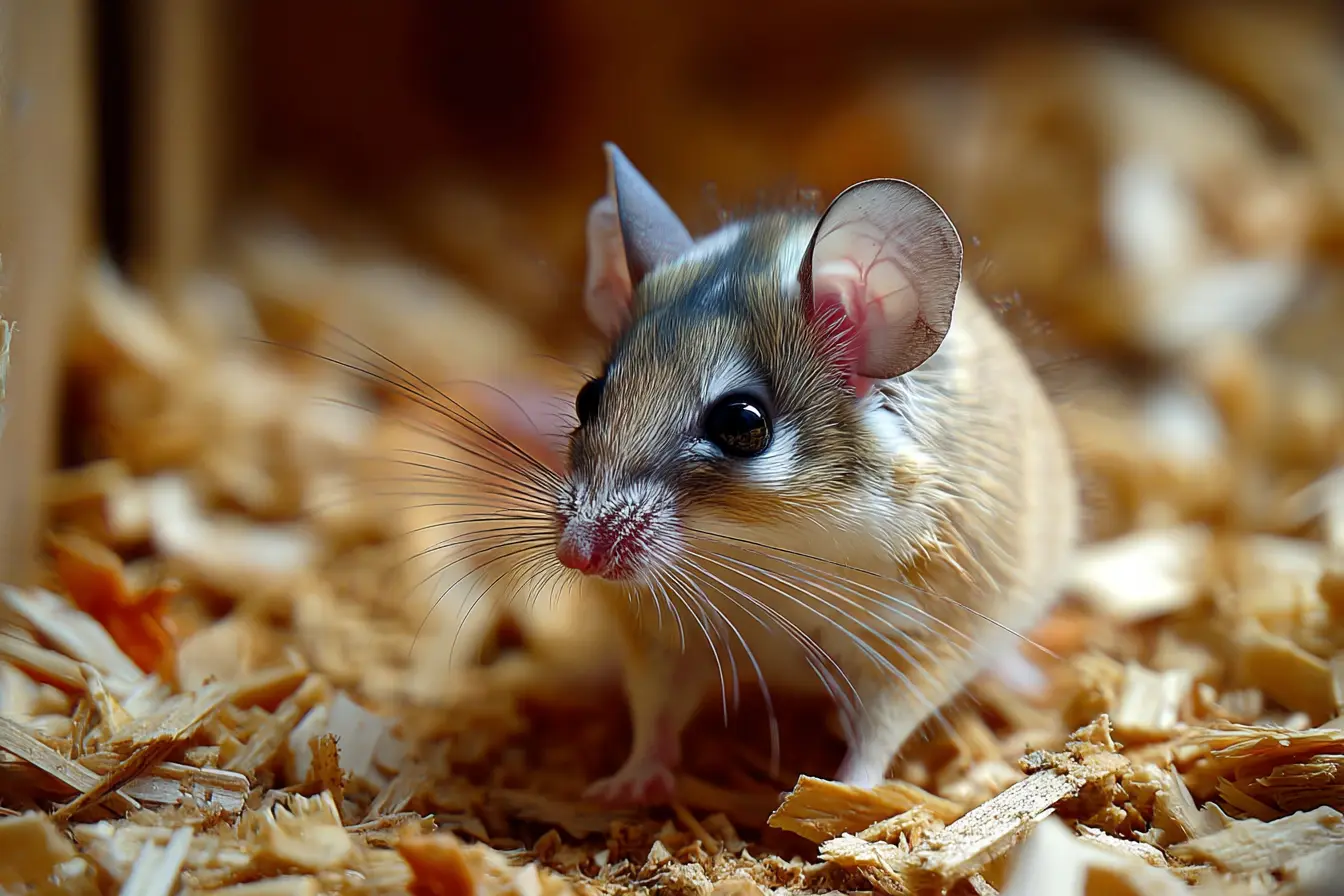
Spiny mice are a lesser-known but captivating species of pet rodent, ideal for keepers looking for something a little more exotic. With their bristly fur, desert-dwelling roots, and lively personalities, spiny mice offer a unique alternative to the more common fancy mouse.
In this blog post, we'll explore what makes spiny mice special, their care requirements, and why they might (or might not) be the right pet for you.
What Are Spiny Mice?
Spiny mice belong to the genus Acomys and originate from arid regions in Africa and the Middle East. The most commonly kept species in the UK is the Egyptian spiny mouse (Acomys cahirinus).
They get their name from the stiff, coarse hairs (or "spines") along their back, which resemble the texture of a hedgehog or bristly brush. These hairs are not sharp, but they do make their coat distinct from other rodents.
Unlike fancy mice, which are domesticated Mus musculus, spiny mice are considered exotic pets and require different care and conditions.
Key Characteristics
Size: 10–12 cm body length, with a tail nearly as long
Lifespan: 3 to 5 years (longer than fancy mice)
Temperament: Social, fast, and curious, but often less tame and harder to handle
Appearance: Pointed face, large ears, long tail, and stiff, reddish-brown or sandy fur
They are extremely agile and can leap or climb with ease. Their natural instincts are more intact than those of domestic mice, making them more challenging but also more interesting to keep.
Social Needs
Spiny mice are highly social and should always be kept in groups — ideally same-sex or neutered groups to prevent breeding. Solitary spiny mice can become stressed or depressed.
Unlike fancy mice, male spiny mice can often live together without excessive fighting, provided they have enough space and resources.
Housing and Environment
Spiny mice are desert-adapted and need a warm, dry, and enriched habitat to thrive.
Cage Requirements:
Minimum size: 100 cm x 50 cm x 50 cm for a group
Type: Large glass tank or bin cage with secure ventilation (they can squeeze through bars)
Temperature: 24°C to 28°C — a heat mat or lamp may be necessary
Humidity: Keep low; high humidity can lead to respiratory issues
Substrate: Paper bedding, aspen, or hemp. Provide a diggable layer (10 cm minimum)
Nesting material: Shredded paper or hay
Enrichment: Branches, rocks, climbing toys, wheels (solid surface), and tunnels
Clean the cage weekly and spot-clean more often. Good ventilation is essential to prevent mustiness and heat build-up.
Diet and Nutrition
Spiny mice have more complex dietary needs than fancy mice. As omnivores, they require more protein and a varied diet.
Suggested Diet:
Base food: A high-quality rodent or rat mix (avoid sugary hamster food)
Protein: Mealworms, boiled egg, cooked chicken, insects (live or dried)
Vegetables: Cucumber, broccoli, courgette, kale
Fruits: Small amounts of apple, pear, or berries (occasional treats only)
Supplements: Occasional dog kibble or low-sugar muesli for protein and minerals
Always provide fresh water in a bottle or dish.
Handling and Behaviour
Spiny mice are fast, nervous, and not ideal for frequent handling. They are better suited to patient observation than cuddling.
Handling Tips:
Let them come to you — never grab from above
Use a tunnel or cup to move them
Handle over a soft, enclosed space in case of jumping
Be gentle — their tails are fragile and prone to injury
They can become tame with regular, positive interaction, but are generally more independent than fancy mice.
Unique Traits
Spiny mice have some fascinating biological adaptations:
Tail shedding: If grabbed or frightened, they can shed part of their tail as a defence mechanism (it doesn't regrow)
Skin regeneration: They can regrow skin and even some tissue after injury — a rare trait among mammals
High agility: They love climbing and jumping, so vertical space is just as important as floor space
These traits make them captivating to observe but require extra care to avoid injury.
Health and Common Issues
Spiny mice are generally robust if their environment is well-maintained.
Common Health Concerns:
Cold stress: They require warm temperatures to avoid illness
Respiratory issues: Caused by poor ventilation or damp bedding
Tail injuries: Handle with extreme care
Parasites: Mites or lice can occasionally affect them
A vet with exotic animal experience is highly recommended if medical care is needed.
Is a Spiny Mouse Right for You?
Spiny mice are ideal for:
Experienced rodent keepers
Adults and older teens who enjoy animal observation
Those with the space and means to maintain stable temperatures
People looking for an exotic pet without requiring a licence
They are not recommended for:
Young children
Households seeking a pet for handling or cuddling
Those unable to maintain warm, controlled environments
Final Thoughts
Spiny mice are a rewarding challenge for the right keeper. Their striking appearance, active behaviour, and unique biology make them stand out among small pets. However, they require more care, space, and sensitivity than domestic mice.
If you’re ready to take on the responsibility and provide the right habitat, spiny mice can be endlessly fascinating companions that bring a touch of the wild into your home.
Quick questions
- What should I know about spiny mice?
- Spiny mice are unique pets, ideal for rodent enthusiasts seeking a more exotic companion. Vet Verified can help you compare UK veterinary practices by location, species, services and opening hours before you call.
- When should I contact a vet about spiny mice?
- Contact a veterinary practice if your pet seems unwell, symptoms are getting worse, you are unsure what to do, or the situation may be urgent. Vet Verified helps you compare practice details, but a vet should advise on your pet's current care.
- Can Vet Verified help me find dog vets?
- Yes. Use Vet Verified to compare dog vets across the UK, then check practice profiles and call directly to confirm current availability.
Find a vet
Find a veterinary practice
Compare UK veterinary practices related to this topic. Call the practice to confirm its current services and availability.
Search by species
- Dog vets Find UK veterinary practices that list care for dogs. Compare opening hours, services, facilities and verified profiles, then contact a practice directly.
- Exotic vets Find UK veterinary practices that list care for exotic pets. Compare opening hours, services, facilities and verified profiles, then contact a practice directly.
- Bird vets Find UK veterinary practices that list care for birds. Compare opening hours, services, facilities and verified profiles, then contact a practice directly.