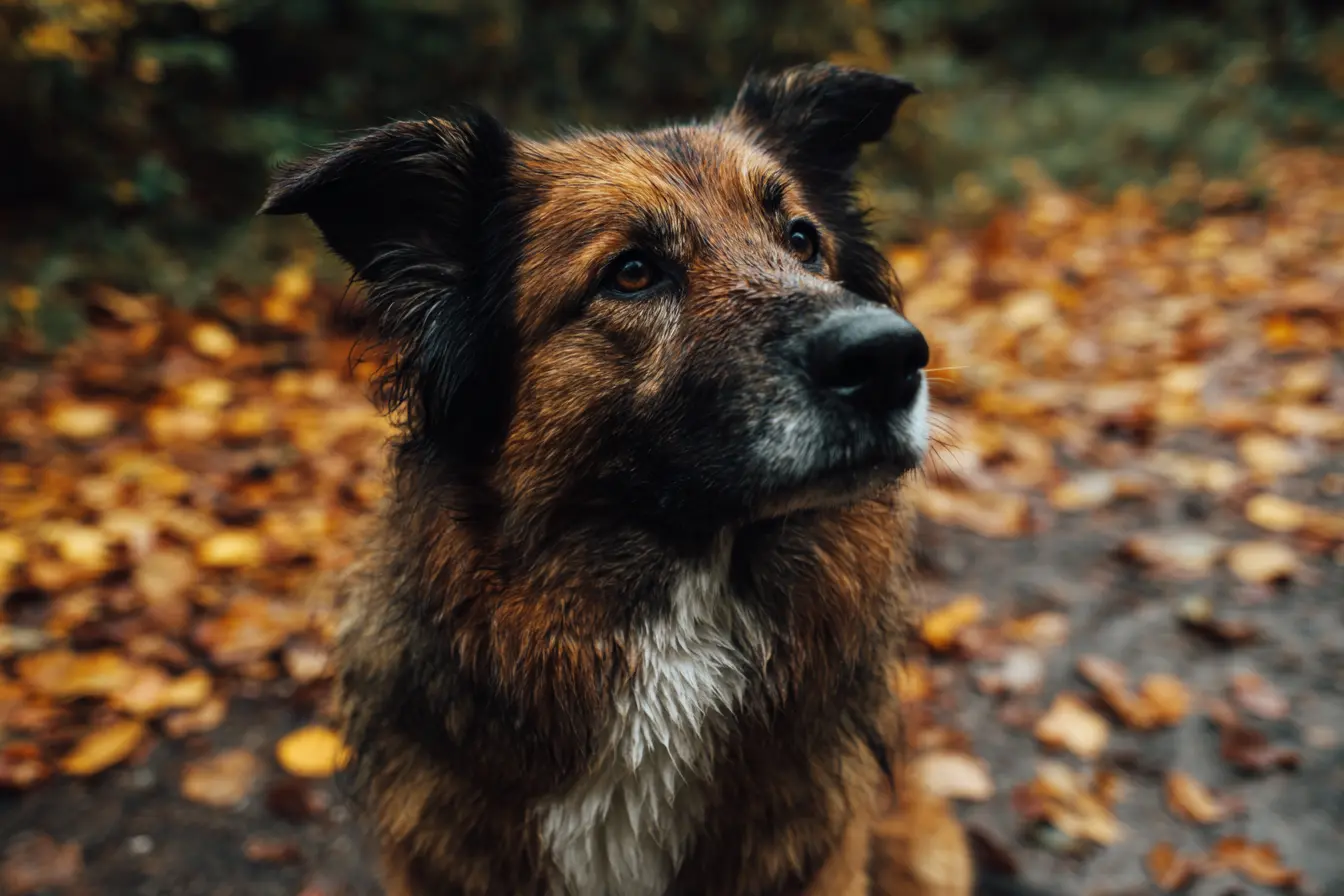
Autumn brings a crisp chill in the air, golden leaves underfoot, and plenty of seasonal changes. While it’s a beautiful time of year, it also introduces a variety of hazards for pets—both indoors and outdoors. From toxic fungi and darker evenings to antifreeze and seasonal decorations, here’s what every UK pet owner should be aware of to keep their furry companions safe during the autumn months.
Toxic Mushrooms and Fungi
As the weather cools and dampens, mushrooms and toadstools become more common in woodlands, parks, and gardens. While not all are dangerous, some wild fungi are highly toxic to pets.
Symptoms of mushroom poisoning include:
Vomiting and diarrhoea
Lethargy or weakness
Seizures or tremors
Liver or kidney damage in severe cases
What to do: Avoid letting your pet roam unsupervised in areas where fungi are growing. If you suspect your pet has eaten a mushroom, contact your vet immediately.
Fallen Leaves and Mould
Piles of wet, decaying leaves may seem like harmless fun to dogs, but they can harbour bacteria, mould, or parasites.
Risks include:
Gastrointestinal upset from eating mouldy leaves
Skin infections or fungal spores
Hidden hazards like sticks or sharp debris
What to do: Clear garden leaves regularly. Avoid letting dogs play in large, damp piles of leaves, especially in public areas.
Conkers and Acorns
Horse chestnuts (conkers) and acorns from oak trees are abundant in autumn and can be tempting for pets, especially dogs.
Hazards include:
Choking or intestinal blockage
Poisoning from compounds like tannins
Vomiting, diarrhoea, abdominal pain, or lethargy
What to do: Train your dog to leave items on command. Pick up fallen conkers and acorns in your garden, and keep a close eye during walks.
Antifreeze and Coolant
Ethylene glycol, found in many antifreeze products, is extremely toxic to cats and dogs—even in small amounts. It has a sweet taste that can attract animals.
Signs of poisoning include:
Vomiting and drooling
Incoordination or seizures
Lethargy and collapse
Acute kidney failure
What to do: Clean up any spills immediately. Use pet-safe antifreeze where possible, and store all chemicals securely out of reach.
Darker Evenings and Visibility
Shorter days mean more walks in low-light conditions. This can increase the risk of road accidents or losing sight of your pet.
What to do:
Use reflective collars, leads or harnesses
Attach a small LED light to your pet’s collar
Wear reflective clothing yourself for better visibility
Cats that roam outdoors are also at increased risk in the dark. Consider keeping them in during peak traffic times or fitting a reflective collar with a quick-release buckle.
Rodenticides and Poisoned Baits
As rodents seek shelter indoors, rodent control measures become more common. Many rodenticides are lethal to pets if ingested, either directly or via a poisoned rodent.
Symptoms of poisoning include:
Bleeding (visible or internal)
Pale gums and weakness
Vomiting or collapse
Seizures or sudden death
What to do: Avoid using poison around the home or garden if you have pets. If necessary, use enclosed bait stations and monitor closely. Seek veterinary attention immediately if exposure is suspected.
Cold Weather and Hypothermia
Autumn temperatures can drop rapidly, especially in the early morning and evening. Smaller pets, elderly animals, and those with short coats are particularly vulnerable.
What to do:
Provide warm bedding and shelter for outdoor animals
Avoid long walks in cold, wet weather
Consider a well-fitting coat for dogs that feel the cold
Dry wet pets thoroughly after being outside
Halloween Hazards
Halloween can be fun for humans, but it brings added risks for pets:
Chocolate, sweets, and xylitol are toxic to dogs and cats
Glow sticks and costume accessories may be chewed or swallowed
Noise, doorbell ringing and costumes can cause stress or fear
What to do: Keep treats and decorations out of reach. Make a quiet, secure space indoors for pets during trick-or-treat visits. Only dress pets in costumes if they’re comfortable and not restricted.
Bonfire Night and Fireworks
Bonfire Night events start in late October and continue into November. The loud bangs and flashes can be terrifying for animals.
Signs of distress include:
Hiding or trembling
Pacing, panting or vocalising
Trying to escape
Refusing food or toilet breaks
What to do:
Keep pets indoors during fireworks
Close windows and curtains to reduce noise and light
Use calming products or music to mask sounds
Consult your vet for anxiety treatment if needed
Final Thoughts
Autumn is a magical time of year, but it’s important to remain vigilant about the seasonal hazards that can impact your pets’ health and wellbeing. With a little preparation and awareness, you can help your furry friends enjoy the season safely.
If you ever have concerns about your pet’s health during the autumn months, don’t hesitate to contact your vet for professional advice and support.
Quick questions
- What should I know about autumn pet safety?
- Autumn pet safety in the UK: learn about seasonal risks for dogs and cats, including toxic mushrooms, mouldy leaves, conkers, acorns, antifreeze, rat poison, cold weather, darker walks, Halloween treats and Bonfire Night. Vet Verified can help you compare UK veterinary practices by location, species, services and opening hours before you call.
- When should I contact a vet about autumn pet safety?
- Contact a veterinary practice if your pet seems unwell, symptoms are getting worse, you are unsure what to do, or the situation may be urgent. Vet Verified helps you compare practice details, but a vet should advise on your pet's current care.
- Can Vet Verified help me find dog vets?
- Yes. Use Vet Verified to compare dog vets across the UK, then check practice profiles and call directly to confirm current availability.
Find a vet
Find a veterinary practice
Compare UK veterinary practices related to this topic. Call the practice to confirm its current services and availability.
Search by species
- Dog vets Find UK veterinary practices that list care for dogs. Compare opening hours, services, facilities and verified profiles, then contact a practice directly.
- Cat vets Find UK veterinary practices that list care for cats. Compare opening hours, services, facilities and verified profiles, then contact a practice directly.
- Horse vets Find UK veterinary practices that list care for horses or other equines. Compare services, facilities, contact details and verified profiles, then contact a practice directly.