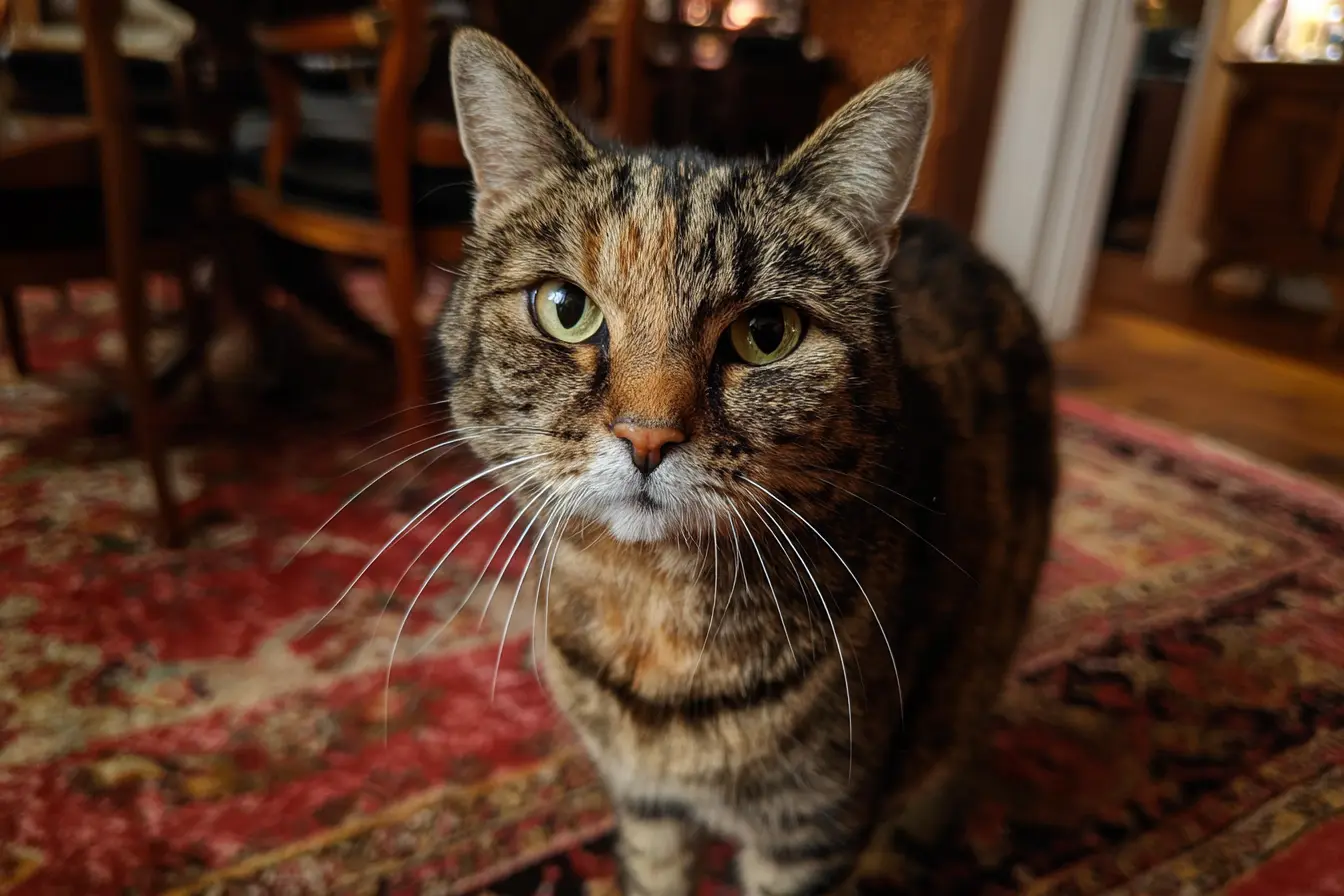
It's worrying when a cat who has always been clean starts leaving puddles or mess around the house. There are lots of possible reasons, from a health problem to stress or a tray they've gone off, and the sensible first step is a visit to the vet before you change anything at home.
See the vet first
Cats Protection advises taking your cat to the vet first if there's a sudden change in their behaviour, such as peeing and pooing where they shouldn't, in case there's a medical reason. Depending on the problem, you can take a urine or faecal sample along, and your vet can provide sample pots and discuss the different ways to collect one.
It's worth booking even if your cat seems well in themselves, because cats with medical conditions may not always act sick. Inflammation of the urinary tract can make urinating painful and increase the frequency and urgency of urination, and a cat may then link the tray with pain. Kidney disease, thyroid disease and diabetes mellitus are also possible culprits, as they often lead a cat to drink more and urinate more frequently. Digestive tract problems may make it painful for a cat to poo, and age-related diseases that affect mobility can make it hard for an older cat to reach the tray in time. If your vet can't find a reason, they may recommend a qualified cat behaviourist.
Urgent signs: when not to wait
Some changes can't wait for a routine appointment. Straining to pee, passing only small amounts of pee and being unable to pass any pee at all are all signs your cat might be blocked, and Cats Protection says that if you suspect a blocked bladder, you should contact your vet for an emergency appointment. That applies to male and female cats alike, so don't wait for your cat to become more distressed or to stop peeing completely. If your usual practice is closed, contact an out-of-hours emergency vet straight away rather than waiting for morning.
If your cat can't pass any pee at all, that is an emergency and needs immediate veterinary attention. PDSA gives the same warning: if your cat is trying but not passing any urine, and seems in pain and distress, call your vet for an urgent appointment and never wait to see if the symptoms improve. PDSA also says a male cat who is straining to pass urine could be a real emergency and needs to be seen by a vet immediately.
Bloody pee needs prompt attention too. Cats Protection says it needs to be addressed with your vet as soon as possible, and if your cat is also straining, peeing very little or in pain, don't delay booking a vet appointment, and treat the straining or very little pee as the emergency described above.
The concern is a blocked bladder, also called a urethral obstruction, which is a painful and life-threatening condition where a cat can't empty their bladder because the urethra is blocked. Both male and female cats can get it, but males are much more susceptible. Left untreated, it can lead to bladder rupture and kidney failure, and it can be fatal. Cornell describes a urethral obstruction as an absolute emergency requiring immediate veterinary treatment, and says that as time passes an obstructed cat typically becomes much more distressed, often crying out in pain.
PDSA also lists peeing in strange places, such as the bath, the sink or on hard, cold floors, among the signs of a urinary problem.
When the cause isn't medical
Cats feel particularly vulnerable when they toilet, so they may shun their tray if it doesn't feel safe or clean. If your cat toilets next to the tray, that's an indication they want to use it but something is putting them off.
Stress can play a part too, for example a change in the environment or routine, or not getting along with other pets. A cat who normally goes outdoors may start toileting inside because something has spooked them, such as a neighbouring cat, or because the weather is bad. Cats Protection says you should still provide an indoor tray even if your cat usually goes outside.
It's best to act promptly, because Cornell notes that the longer the behaviour persists, the more likely it is to become a habit. A cat who can't make it to the tray in time may also develop a preference for the new spot and carry on going there.
Getting the tray set-up right
Once your vet has ruled out a medical cause, go through the tray set-up. Cats Protection suggests somewhere quiet, away from noises like washing machines and disturbances like doorways, corridors and cat flaps. Keep trays away from food, water and sleeping areas too, as cats prefer to keep all of those separate. If something happened near the tray, try moving it somewhere else.
Provide one litter tray per cat, plus an extra one, because some cats won't poo and pee in the same tray. Have trays both upstairs and downstairs, and avoid placing them in a row, as that counts as one tray from your cat's perspective.
Cats generally need full-sized trays that are large enough for them to turn around in, and elderly cats or those with mobility issues need trays with low sides. A nervous cat may appreciate a hooded tray, but always remove the flap. Hooded trays can trap odours which put off cats, so they need cleaning thoroughly. If you're not sure what your cat likes, try using two different kinds and see which they prefer. If you want to change a tray, always add the new one before removing the old one.
Litter matters as well. Cats often prefer the litter they used as a kitten, and you should avoid scented litters because strong scents could put them off using the tray altogether. Cats Protection suggests about 3cm of litter, as this is generally preferred. If you must switch brands, Cornell advises doing so gradually, adding small amounts of new litter to the old.
Cleanliness is the other big factor, since cats will not use dirty trays. Remove any poo or pee twice a day, and a little more often if your cat won't use the tray until deposits have gone. At least once a week, tip out all the litter and wash the tray in hot, soapy water. Cats find newspaper or plastic liners off putting, so leave them out, and replace any tray that becomes broken.
Spraying versus squatting
Spraying is a normal marking behaviour, but it isn't the same as an ordinary toilet accident, so different tactics are needed. Cats usually spray on vertical surfaces, like the backs of chairs or walls. A spraying cat will stand, lift its tail and quiver, then spray small puddles of urine in several consistent locations. Cats don't squat to spray, as they do to urinate.
Cornell says cats may spray when they perceive a threat to their territory, such as when a new cat enters the home or when outside cats are nearby. If you find urine puddles and aren't sure which you're dealing with, watch your cat for signs of spraying or set up a video camera to keep an eye on the situation when you're not around.
Cleaning up and why you shouldn't punish
If your cat goes somewhere other than the tray, it's important to clean it up straight away. This will help deter them from going there again. Pick up any poo or absorb any pee first, for instance by blotting a carpet with kitchen roll, then clean the area thoroughly. Cats Protection suggests cat-safe cleaners and sprays made specifically for cat pee and poo indoors.
Cornell adds that odours must be neutralised, not just deodorised, to escape a cat's keen sense of smell, and that you should avoid cleaning products containing ammonia or vinegar because they smell like urine and can be irritating. Cats will re-soil and spray areas they have marked with their scent, so it's worth doing properly.
Never punish your cat for going to the toilet in the wrong place, as this will make the problem worse. It's common for owners to think cats soil in inappropriate places as a way of taking revenge, but cats probably don't have the kind of sophisticated cognitive abilities they would need for that. Cornell says hitting, kicking or screaming at a cat is ineffective and the anxiety it causes may actually worsen the problem, and rubbing a cat's face in its mess is ineffective too.
Quick questions
- What should I know about cat toileting outside litter tray?
- What to do when a usually clean cat starts weeing or pooing indoors: why a vet check comes first, the urinary warning signs that need urgent help, how to set up and clean trays, how spraying differs from squatting, and how to clean up without punishing. Vet Verified can help you compare UK veterinary practices by location, species, services and opening hours before you call.
- When should I contact a vet about cat toileting outside litter tray?
- Contact a veterinary practice if your pet seems unwell, symptoms are getting worse, you are unsure what to do, or the situation may be urgent. Vet Verified helps you compare practice details, but a vet should advise on your pet's current care.
- Can Vet Verified help me find cat vets?
- Yes. Use Vet Verified to compare cat vets across the UK, then check practice profiles and call directly to confirm current availability.
Find a vet
Find a veterinary practice
Compare UK veterinary practices related to this topic. Call the practice to confirm its current services and availability.
Urgent and out-of-hours
- Emergency vets Find veterinary practices near you that list emergency opening hours. Compare contact details and services, then call immediately if your pet needs urgent care.
- Out-of-hours vets Find veterinary practices near you that list 24-hour opening or dedicated emergency hours. Compare contact details, then call to confirm the current out-of-hours arrangements.