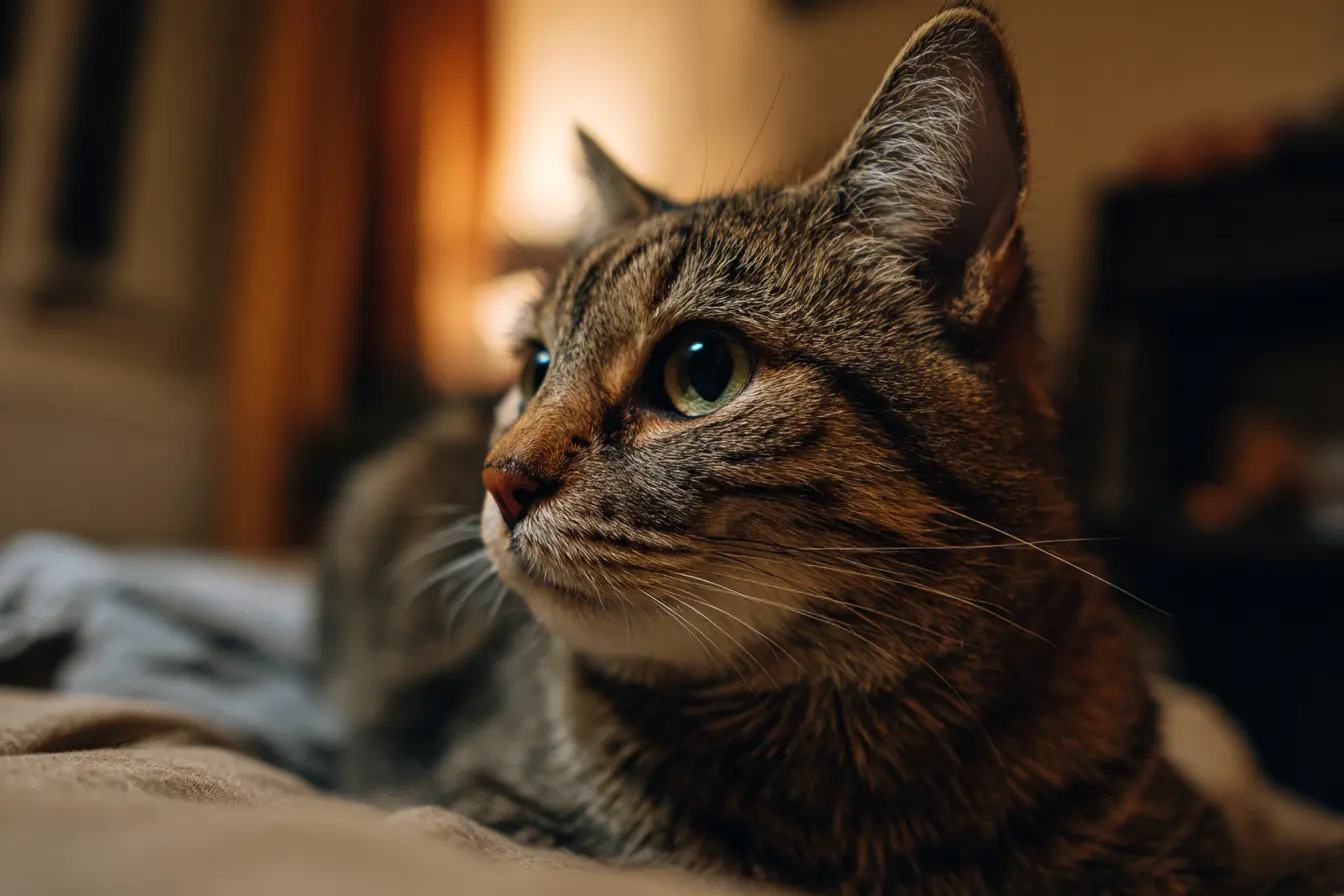
Losing a cat is a heartbreaking experience for the whole family, including other pets in the home. While cats are often seen as independent animals, many form strong social bonds with feline companions they live alongside.
When one cat passes away, the remaining cat may experience stress, confusion and behavioural changes as they adjust to the loss. Understanding how bereavement can affect cats and knowing how to provide support can help your remaining cat feel safer and more secure during this difficult time.
Do Cats Grieve?
Cats may not understand death in the same way humans do, but many owners notice clear emotional and behavioural changes after the loss of another cat.
Cats that lived closely together may have shared:
Sleeping spaces
Grooming routines
Feeding areas
Playtime
Daily companionship
The sudden absence of a companion can therefore affect a cat’s routine and sense of security.
Common Signs of Grief or Stress in Cats
Every cat reacts differently, but signs of grief or emotional distress may include:
Reduced appetite
Increased sleeping
Withdrawal or hiding
Increased vocalisation
Clinginess
Searching behaviour
Changes in grooming habits
Reduced interest in play
Irritability or aggression
Some cats become quieter and withdrawn, while others become more dependent on their owners for comfort.
Appetite Changes Should Be Monitored Carefully
Stress can have a significant effect on eating habits in cats.
Watch for signs such as:
Eating less than usual
Refusing favourite foods
Weight loss
Reduced interest in treats
Cats should never go too long without eating, as this can lead to serious health complications.
If appetite loss continues for more than a short period, seek veterinary advice.
Allowing Your Cat to See Their Companion
Some owners choose to allow the surviving cat to see or sniff their companion after they have passed away.
This may help some cats understand that their companion is gone rather than suddenly missing.
Possible reactions may include:
Sniffing calmly
Sitting quietly nearby
Walking away afterwards
Showing little reaction at all
Not all owners choose to do this, but some feel it reduces confusion or searching behaviour later.
Keep Your Cat’s Routine Consistent
Cats are creatures of habit and often find comfort in familiar routines.
Maintaining consistency can help reduce stress and anxiety.
Try to keep stable:
Feeding times
Sleeping arrangements
Litter tray locations
Playtime
Daily interaction
Predictable routines can help your cat feel more secure during the adjustment period.
Provide Extra Attention and Reassurance
Many cats benefit from additional gentle interaction after losing a companion.
Helpful ways to offer support include:
Spending quiet time together
Offering gentle affection if your cat enjoys it
Talking softly
Encouraging play
Providing enrichment activities
However, avoid forcing interaction if your cat prefers more space.
Encourage Play and Mental Stimulation
Mental stimulation can help distract from stress and encourage normal behaviour.
Activities may include:
Interactive toys
Puzzle feeders
Climbing areas
Window perches
Gentle play sessions
Enrichment can help reduce boredom and anxiety.
Watch for Behavioural Changes
Behavioural changes are common after the loss of a companion, but they should still be monitored carefully.
You may notice:
Increased hiding
Aggression
Changes in vocalisation
Overgrooming
Changes in litter tray habits
Increased clinginess or avoidance
Persistent or severe changes may indicate ongoing stress or illness.
Monitor Your Cat’s Physical Health
Stress can sometimes contribute to physical health problems in cats.
Watch carefully for:
Vomiting or diarrhoea
Weight loss
Reduced grooming
Urinary issues
Lethargy
If symptoms develop, contact your vet promptly.
Keep the Environment Calm and Familiar
A calm and predictable home environment can help your cat feel safer.
Helpful steps include:
Keeping noise levels low
Avoiding unnecessary changes
Providing safe hiding spaces
Maintaining familiar bedding and furniture
Avoiding stressful disruptions where possible
Familiar surroundings can support emotional recovery.
Should You Get Another Cat?
Many owners wonder whether introducing another cat will help their remaining pet.
There is no universal answer, and much depends on:
Your cat’s personality
Their relationship with the previous cat
Age and health
Temperament
Social preferences
Some cats benefit from companionship again, while others may prefer being the only cat.
Avoid Rushing Into a New Introduction
Introducing a new cat too quickly can sometimes increase stress rather than reduce it.
It is important to:
Allow time for adjustment
Let routines stabilise first
Monitor behaviour carefully
Both owners and pets often need time to process the loss before making major changes.
Elderly Cats May Need Extra Support
Senior cats can sometimes struggle more after losing a long-term companion.
Older cats may become:
More anxious
Less active
More withdrawn
More dependent on routine
Extra patience, comfort and veterinary monitoring may be especially important for elderly cats.
Avoid Making Major Changes Immediately
Following a loss, it is often best to avoid unnecessary disruptions.
Try not to:
Move furniture dramatically
Relocate litter trays suddenly
Change feeding routines abruptly
Introduce multiple stressful changes at once
Stability can help your cat feel more secure.
Caring for Yourself Too
Losing a cat is emotionally painful for owners as well.
It is completely normal to experience:
Grief
Sadness
Guilt
Emotional exhaustion
Worry about your remaining cat
Taking care of your own emotional wellbeing can help you remain calm and supportive for your pet.
When to Seek Veterinary or Behavioural Support
You should seek professional advice if your cat shows:
Ongoing refusal to eat
Severe withdrawal
Aggression
Extreme anxiety
Persistent litter tray problems
Signs of illness
A vet or qualified behaviourist may help identify underlying stress or health concerns.
Conclusion
The loss of a feline companion can be stressful and confusing for a cat, particularly if they shared a close bond. Changes in appetite, behaviour and routine are common, and patience is often needed while your cat adjusts.
By maintaining routines, providing gentle reassurance and closely monitoring your cat’s wellbeing, you can help them feel safe and supported during this difficult period. With time, stability and compassionate care, many cats gradually adapt and regain confidence after the loss of a companion.
Quick questions
- What should I know about cat grief?
- Learn how to support a grieving cat after the death of another cat in the home. Vet Verified can help you compare UK veterinary practices by location, species, services and opening hours before you call.
- When should I contact a vet about cat grief?
- Contact a veterinary practice if your pet seems unwell, symptoms are getting worse, you are unsure what to do, or the situation may be urgent. Vet Verified helps you compare practice details, but a vet should advise on your pet's current care.
- Can Vet Verified help me find cat vets?
- Yes. Use Vet Verified to compare cat vets across the UK, then check practice profiles and call directly to confirm current availability.
Find a vet
Find a veterinary practice
Compare UK veterinary practices related to this topic. Call the practice to confirm its current services and availability.