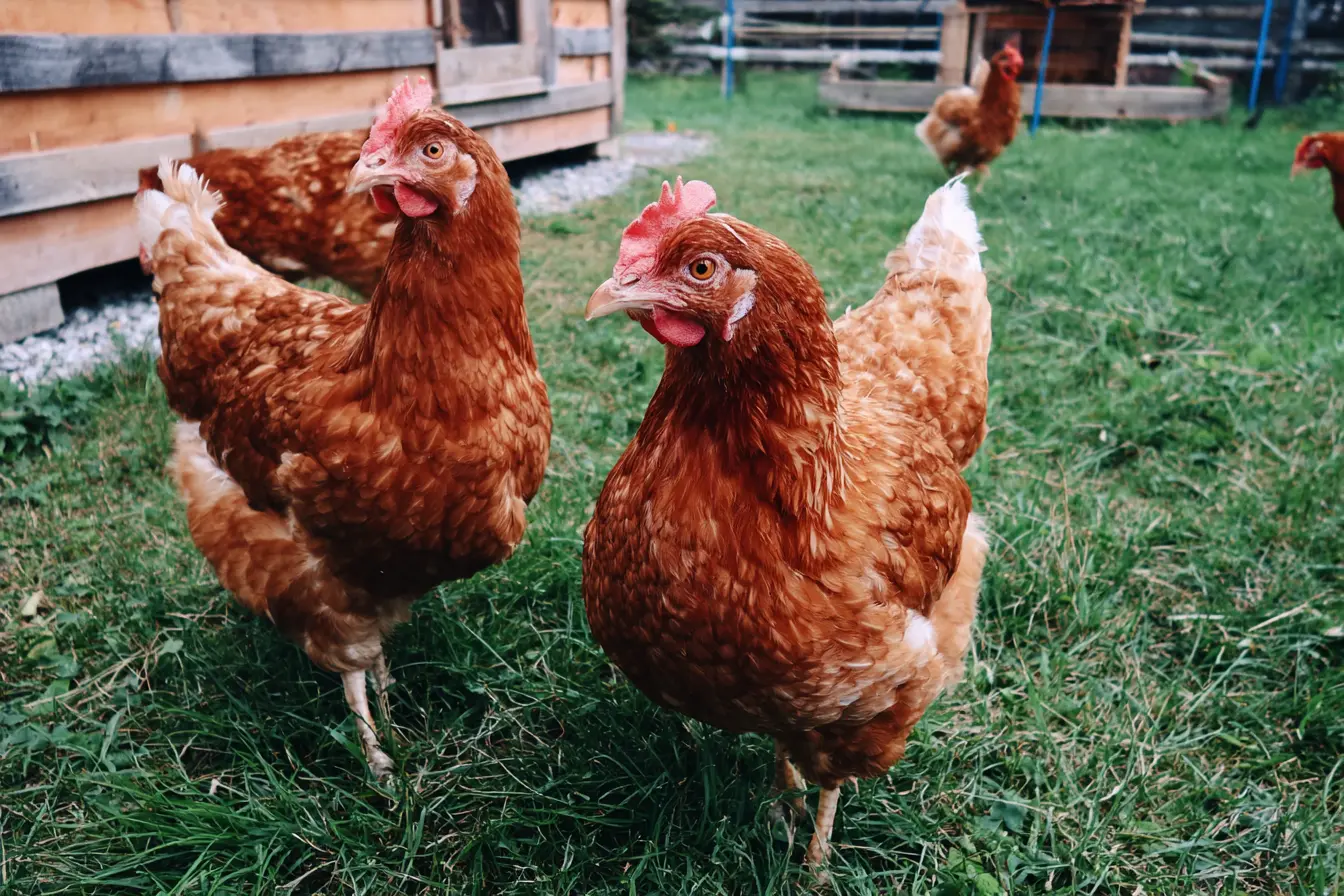
Marek’s Disease is one of the most serious viral infections affecting poultry, particularly backyard and commercial flocks of chickens. This blog post explores the disease in depth, covering its causes, symptoms, diagnosis, prevention, and management.
What is Marek’s Disease?
Marek’s Disease is a highly contagious viral disease caused by a herpesvirus known as Gallid alphaherpesvirus 2. It primarily affects chickens but can occasionally affect other birds such as quail. The virus induces tumour formation, neurological disorders, and immunosuppression, making infected birds more susceptible to secondary infections.
History and Background
Named after Hungarian veterinarian József Marek, who first described the disease in 1907, Marek’s Disease became a major concern in poultry farming in the mid-20th century. With the development of vaccines in the 1970s, the incidence has been reduced but not eradicated.
The Virus: Gallid alphaherpesvirus 2
Marek’s Disease is caused by a highly contagious DNA virus in the herpesvirus family. It spreads easily in poultry flocks and can persist in the environment for long periods. There are several strains, varying in virulence:
Mild (mMDV)
Virulent (vMDV)
Very Virulent (vvMDV)
Very Virulent Plus (vv+MDV)
These strains differ in their ability to cause disease and overcome vaccine protection.
Transmission and Spread
The virus is primarily spread through:
Inhalation of infected feather dander and dust
Direct contact with infected birds
Contaminated surfaces, feeders, and equipment
Once a bird is infected, it remains a carrier for life, continually shedding the virus into the environment.
Symptoms of Marek’s Disease
Symptoms vary depending on the form of the disease, but may include:
Classical (Neurolymphomatosis)
Paralysis of legs, wings or neck
Drooping wings
Twisted neck (torticollis)
Inability to stand or walk
Visceral Form
Tumours in organs such as liver, spleen, kidneys
Weight loss and lethargy
Pale comb and wattles
Ocular Form
Grey or cloudy eyes
Irregular-shaped pupils
Blindness
Cutaneous Form
Nodules or lesions at feather follicles
Thickened skin
Diagnosis
Diagnosing Marek’s Disease can be challenging as symptoms overlap with other conditions. Common methods include:
Post-mortem examination for tumours or nerve enlargement
Histopathology of affected tissues
PCR testing to detect viral DNA
A definitive diagnosis often requires lab testing.
Treatment and Prognosis
There is no cure for Marek’s Disease. Supportive care may provide temporary relief, but once clinical signs appear, the outcome is usually fatal. Birds that survive are often carriers and continue to shed the virus.
Prevention and Control
Vaccination
Vaccination is the most effective control method
Chicks are typically vaccinated at the hatchery within 24 hours of hatching
The vaccine does not prevent infection, but it reduces symptoms and virus shedding
Biosecurity
Isolate new birds for at least 3 weeks
Limit visitor access to the flock
Disinfect equipment and coop regularly
Avoid contact with wild birds
Breeding for Resistance
Some chicken breeds have been shown to have greater natural resistance
Breeding for genetic resistance can provide long-term flock resilience
Marek’s Disease vs Other Diseases
Marek’s Disease may be confused with other poultry illnesses such as:
Avian leukosis
Lymphoid leukosis
Accurate diagnosis is essential for effective management and to prevent misdirected treatments.
Key Takeaways
Marek’s Disease is a major viral illness in chickens with no cure
It is caused by a herpesvirus and spreads primarily through feather dust
Symptoms include paralysis, tumours, blindness, and weight loss
Vaccination and strict biosecurity are critical to control
Diagnosis often requires post-mortem and lab tests
Final Thoughts
While Marek’s Disease remains a threat to poultry worldwide, informed flock management, good husbandry, and vaccination can significantly reduce its impact. Backyard keepers and commercial producers alike should remain vigilant, taking proactive steps to protect their birds and limit the spread of this persistent and dangerous virus.
Quick questions
- What should I know about marek’s disease?
- Marek's Disease is a severe, contagious viral infection in poultry caused by Gallid alphaherpesvirus 2. Affecting mainly chickens, it results in tumours, neurological issues, and immunosuppression. Vet Verified can help you compare UK veterinary practices by location, species, services and opening hours before you call.
- When should I contact a vet about marek’s disease?
- Contact a veterinary practice if your pet seems unwell, symptoms are getting worse, you are unsure what to do, or the situation may be urgent. Vet Verified helps you compare practice details, but a vet should advise on your pet's current care.
- Can Vet Verified help me find bird vets?
- Yes. Use Vet Verified to compare bird vets across the UK, then check practice profiles and call directly to confirm current availability.
Find a vet
Find a veterinary practice
Compare UK veterinary practices related to this topic. Call the practice to confirm its current services and availability.