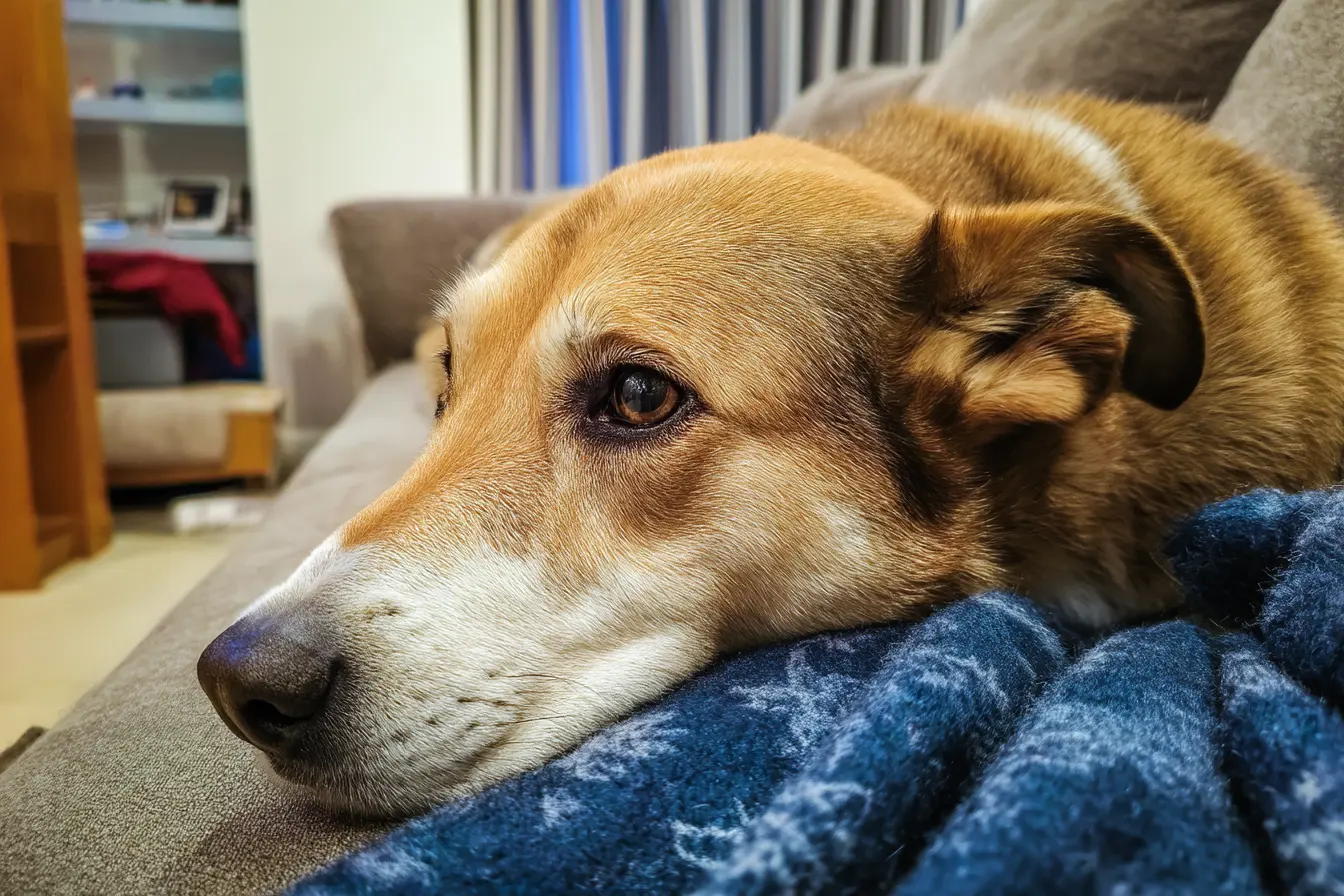
Urinary tract infections are a common health issue in dogs, particularly in females, and can cause discomfort, frequent urination, and other complications if left untreated. In some cases, a urinary tract infection can be a sign of an underlying health condition, such as bladder stones or diabetes.
Understanding the causes, symptoms, treatment options, and preventative measures can help dog owners recognise and manage urinary tract infections effectively.
What is a urinary tract infection in dogs?
A urinary tract infection occurs when bacteria enter the urinary system, leading to inflammation and discomfort. The infection typically affects the bladder, but in severe cases, it can spread to the kidneys, causing more serious health issues.
Urinary tract infections are more common in female dogs due to their shorter urethras, which allow bacteria to reach the bladder more easily.
Causes of urinary tract infections in dogs
Several factors can contribute to the development of urinary tract infections.
Common causes
Bacteria such as Escherichia coli, which commonly enter the urinary tract from faecal contamination
Weakened immune system, which reduces the body’s ability to fight infections
Urinary stones or bladder stones that create an environment for bacterial growth
Diabetes, which increases sugar levels in the urine and promotes bacterial growth
Incontinence, particularly in older dogs, leading to bacteria accumulating around the urethra
Kidney disease, which may contribute to urinary tract infections in some cases
Poor hygiene, which allows bacteria to enter the urethra more easily
Prostate infections in male dogs, which can cause similar symptoms to a urinary tract infection
Symptoms of urinary tract infections in dogs
Dogs with a urinary tract infection may show a variety of symptoms. Recognising these signs early allows for prompt treatment and prevents complications.
Common symptoms
Frequent urination in small amounts
Straining or discomfort when urinating
Blood in the urine, which may appear pink or red
Urinating indoors or in unusual places due to urgency
Excessive licking of the genital area
Strong-smelling or cloudy urine
Increased thirst in some cases
Severe symptoms
Fever, which may indicate a more serious infection
Loss of appetite and lethargy
Vomiting, which could signal kidney involvement
Pain in the lower back or abdomen
If symptoms worsen or persist for more than a day or two, veterinary attention is required to prevent complications such as kidney infections.
Diagnosing urinary tract infections in dogs
A vet will diagnose a urinary tract infection based on symptoms and diagnostic tests.
Common diagnostic methods
Urinalysis to check for bacteria, white blood cells, blood, and pH abnormalities
Urine culture to identify the specific bacteria causing the infection
Blood tests to check for underlying conditions such as kidney disease or diabetes
Ultrasound or X-rays to detect bladder stones or tumours
Accurate diagnosis ensures the correct treatment plan is prescribed.
Treatment for urinary tract infections in dogs
The treatment for a urinary tract infection depends on the underlying cause and severity of the infection.
Antibiotics
A vet will prescribe antibiotics to eliminate the bacteria causing the infection
The full course of medication must be completed, even if symptoms improve early
Urine cultures may be required after treatment to ensure the infection is fully cleared
Pain relief
Anti-inflammatory medication may be prescribed to reduce pain and inflammation
Encouraging hydration helps flush out bacteria and supports recovery
Treating underlying conditions
Urinary stones may require dietary changes, medication, or surgery
Diabetes management through insulin and dietary adjustments can help prevent recurrent infections
Prostate infections in male dogs may require long-term antibiotics or additional treatments
Most urinary tract infections improve within a week of starting treatment, but chronic or complicated cases may take longer to resolve.
Home care for dogs with urinary tract infections
Supporting a dog's recovery at home is important for preventing recurrent infections and ensuring proper healing.
Increasing hydration
Providing fresh water at all times encourages frequent urination and helps flush bacteria from the urinary tract
Offering wet food instead of dry kibble increases moisture intake
Adding water or low-sodium broth to food can help maintain hydration levels
Encouraging frequent urination
Taking dogs out for regular toilet breaks prevents urine retention
Allowing access to a clean, designated toileting area reduces stress during urination
Keeping the genital area clean
Wiping the area with a damp cloth after urination removes bacteria
Ensuring proper hygiene, especially in older dogs or those prone to incontinence
Preventing urinary tract infections in dogs
While urinary tract infections cannot always be prevented, certain measures can reduce the risk.
Providing proper hydration
Ensuring dogs have access to clean water throughout the day
Encouraging drinking by using a pet water fountain or flavoured water additives
Maintaining good hygiene
Regularly cleaning the area around the genitals, especially in long-haired breeds
Keeping bedding and living areas clean to reduce bacterial contamination
Using a balanced diet
Feeding a high-quality diet that promotes urinary health
Avoiding excessive treats or processed foods that may contribute to imbalances
Regular veterinary check-ups
Routine vet visits help detect early signs of infection or underlying health issues
Dogs prone to urinary tract infections may require periodic urinalysis tests
Preventing urinary retention
Encouraging regular bathroom breaks to prevent urine from sitting in the bladder too long
Avoiding long periods of confinement without opportunities to urinate
When to see a vet
A vet should be consulted if a dog shows any of the following signs
Difficulty urinating or signs of pain
Blood in the urine or persistent strong odour
Frequent urination with no improvement after a day
Lethargy, fever, or vomiting
Early treatment prevents complications such as kidney infections or bladder stones.
Conclusion
Urinary tract infections are a common issue in dogs but can be effectively treated with antibiotics and supportive care. Recognising the symptoms early, ensuring proper hydration, and maintaining good hygiene can help prevent infections from occurring.
For dogs prone to recurrent infections, identifying underlying causes and working with a vet to manage them can improve long-term urinary health. By taking preventative measures and seeking prompt veterinary care when needed, dog owners can help their pets stay comfortable and infection-free.
Quick questions
- What should I know about urinary tract infections?
- Urinary tract infections in dogs, particularly in females, can cause symptoms such as frequent urination, discomfort, and blood in urine. Vet Verified can help you compare UK veterinary practices by location, species, services and opening hours before you call.
- When should I contact a vet about urinary tract infections?
- Contact a veterinary practice if your pet seems unwell, symptoms are getting worse, you are unsure what to do, or the situation may be urgent. Vet Verified helps you compare practice details, but a vet should advise on your pet's current care.
- Can Vet Verified help me find dog vets?
- Yes. Use Vet Verified to compare dog vets across the UK, then check practice profiles and call directly to confirm current availability.
Find a vet
Find a veterinary practice
Compare UK veterinary practices related to this topic. Call the practice to confirm its current services and availability.