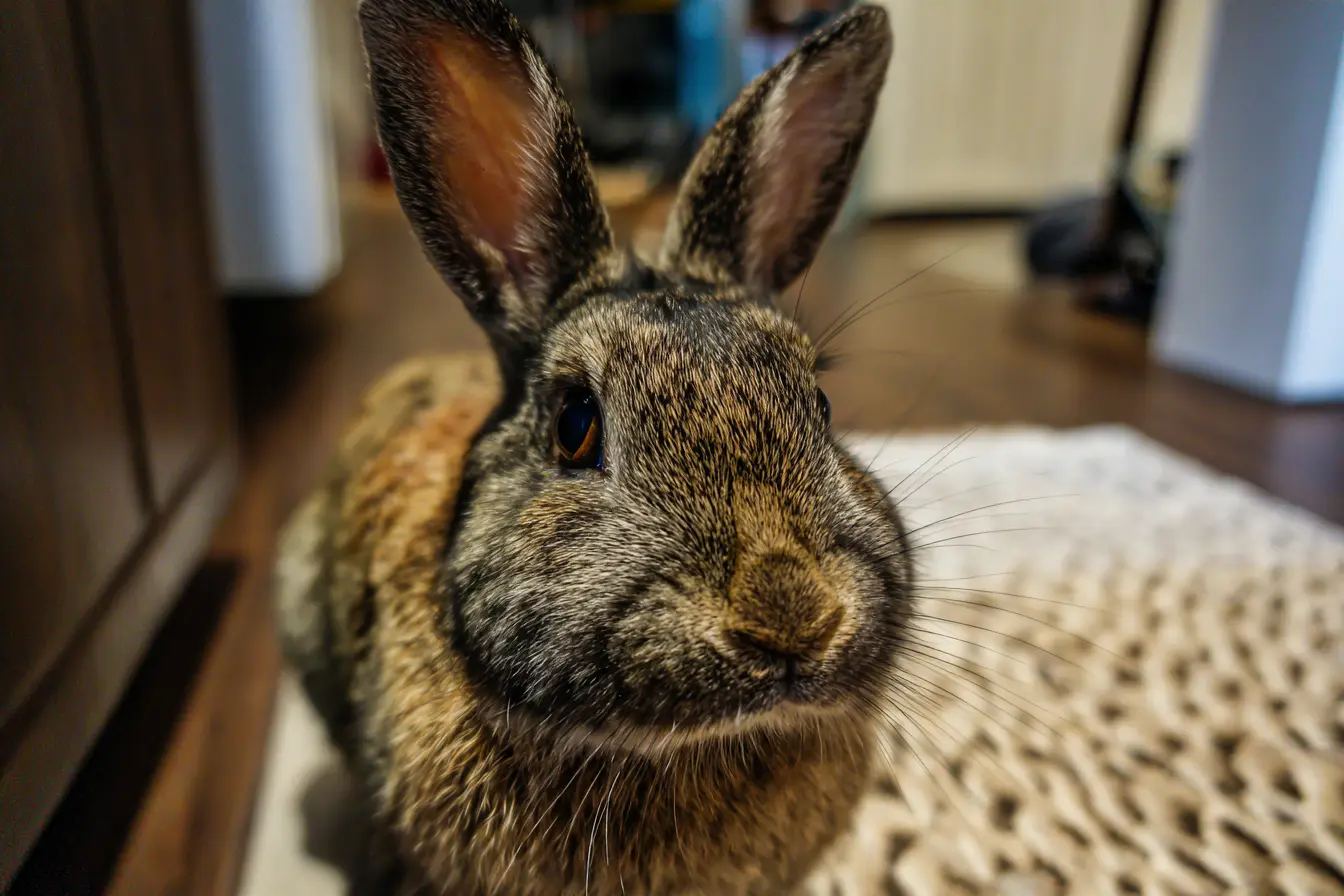
Choosing the right bedding for your rabbit is an important part of keeping them healthy, comfortable and safe. While sawdust and certain types of wood shavings were once commonly used for rabbits, they are now widely discouraged due to the health risks they may pose.
Understanding why these materials can be harmful, and knowing which safer alternatives are available, can help you create a healthier environment for your rabbit.
Why Bedding Choice Matters for Rabbits
Rabbits spend a large amount of time sitting, sleeping and eating in their living area. Because of this, their bedding has a direct impact on their:
Respiratory health
Skin and foot condition
Comfort
Hygiene
Overall wellbeing
Poor bedding choices can contribute to stress, irritation and illness over time.
Why Sawdust Is Not Recommended for Rabbits
Sawdust is generally considered unsuitable for rabbits for several reasons.
Dust Can Irritate the Respiratory System
One of the biggest concerns with sawdust is the high level of fine dust particles.
Rabbits have sensitive respiratory systems, and inhaling dust may irritate:
The nose
Airways
Lungs
Eyes
This can increase the risk of respiratory problems, especially in poorly ventilated environments.
Signs of respiratory irritation may include:
Sneezing
Wheezing
Nasal discharge
Watery eyes
Difficulty breathing
Rabbits with existing respiratory issues may be particularly affected.
Some Wood Shavings Release Harmful Chemicals
Certain softwood shavings, especially cedar and untreated pine, contain compounds known as phenols.
These chemicals can produce strong-smelling oils that may irritate a rabbit’s:
Respiratory system
Skin
Liver over time
The strong scent often associated with these bedding types comes from these aromatic oils.
Long-term exposure may potentially affect rabbit health, particularly in enclosed hutches with poor airflow.
Sawdust Can Irritate Eyes and Skin
Fine particles from sawdust can stick to fur and collect around sensitive areas.
This may lead to:
Eye irritation
Skin irritation
Excessive scratching
Discomfort around the nose
Rabbits with allergies or sensitive skin may react more strongly.
Sawdust Does Not Always Control Odour Well
Although some wood products absorb moisture reasonably well, sawdust can become damp quickly and may not effectively control ammonia build-up from urine.
Poor odour control may contribute to:
Unpleasant living conditions
Increased bacterial growth
Respiratory irritation from ammonia
Regular cleaning is important regardless of bedding type.
Why Cedar Shavings Are Especially Unsafe
Cedar shavings are widely considered one of the least suitable bedding options for rabbits.
This is because cedar contains strong aromatic oils that may:
Irritate the lungs
Affect liver function
Cause skin irritation
Trigger respiratory symptoms
Most rabbit welfare organisations and vets advise avoiding cedar bedding completely.
Are Pine Shavings Safe?
Kiln-dried pine shavings are sometimes considered safer than untreated pine because the drying process reduces some of the aromatic oils.
However, opinions still vary, and many owners prefer to avoid pine altogether due to potential respiratory concerns.
If pine bedding is used, it should be:
Dust-extracted
Kiln-dried
Well ventilated
Monitored carefully for reactions
Many safer alternatives are now widely available.
Safe Alternatives to Sawdust and Wood Shavings
Fortunately, there are several rabbit-safe bedding options that provide comfort while reducing health risks.
Paper-Based Bedding
Paper bedding is one of the most popular alternatives for rabbits.
Benefits include:
Low dust levels
Good absorbency
Soft texture
Reduced respiratory irritation
Many recycled paper beddings are also environmentally friendly.
Hay
Hay is essential for rabbits and can also provide comfortable bedding material.
Hay helps support:
Natural foraging behaviour
Digestive health
Warmth and comfort
Good-quality hay should always be available in large quantities.
Straw
Straw is often used for warmth and insulation, particularly in outdoor housing.
Benefits include:
Good insulation in cold weather
Comfortable nesting material
Lower dust than sawdust
However, straw is not a substitute for hay, as it contains less nutritional value.
Hemp Bedding
Hemp bedding is becoming increasingly popular for rabbits.
Advantages include:
Low dust
Good absorbency
Natural odour control
Soft texture
Hemp products are often considered a safe and practical option.
Cardboard or Paper Pellets
Compressed paper or cardboard pellets are commonly used in litter trays.
They can provide:
Excellent absorbency
Reduced odour
Low dust levels
Easy cleaning
These products are especially useful for litter-trained rabbits.
Fleece Liners
Some indoor rabbit owners use washable fleece liners instead of loose bedding.
Benefits may include:
Reusable and washable material
Reduced dust
Soft surfaces for resting
Easier monitoring of urine and droppings
Fleece should be cleaned regularly to maintain hygiene.
What Makes a Good Rabbit Bedding Material?
Safe rabbit bedding should ideally be:
Low in dust
Non-toxic
Absorbent
Comfortable
Easy to clean
Free from strong chemicals or perfumes
Good ventilation and regular cleaning are also essential for maintaining a healthy environment.
How Often Should Rabbit Bedding Be Changed?
Even safe bedding needs regular cleaning.
Spot cleaning should usually be done daily, while full bedding changes depend on:
The bedding type
Number of rabbits
Enclosure size
Toilet habits
Keeping bedding clean helps reduce odours, bacteria and ammonia build-up.
Signs Your Rabbit May Be Reacting to Bedding
If your rabbit is sensitive to their bedding, you may notice:
Sneezing
Watery eyes
Wheezing
Excessive scratching
Red or irritated skin
Reluctance to use certain areas
If symptoms appear, changing the bedding and speaking to a vet may help identify the cause.
Conclusion
Sawdust and some wood shavings are no longer considered ideal bedding choices for rabbits due to the potential risks they pose to respiratory health, skin and overall wellbeing. Dust, aromatic oils and poor ventilation can all contribute to irritation and illness over time.
Fortunately, there are many safer alternatives available, including paper-based bedding, hay, hemp and cardboard pellets. Choosing low-dust, rabbit-safe materials can help create a cleaner, healthier and more comfortable environment for your rabbit.
Quick questions
- What should I know about rabbit bedding?
- Learn why sawdust, cedar shavings and some pine shavings are not safe rabbit bedding. Fine dust and aromatic oils can irritate a rabbit’s eyes, skin and lungs, while damp bedding can lead to ammonia smells and poor hygiene. Vet Verified can help you compare UK veterinary practices by location, species, services and opening hours before you call.
- When should I contact a vet about rabbit bedding?
- Contact a veterinary practice if your pet seems unwell, symptoms are getting worse, you are unsure what to do, or the situation may be urgent. Vet Verified helps you compare practice details, but a vet should advise on your pet's current care.
- Can Vet Verified help me find a vet?
- Yes. Use Vet Verified to compare UK veterinary practices by location, species, services and opening hours, then call directly to confirm current availability.
Find a vet
Find a veterinary practice
Compare UK veterinary practices related to this topic. Call the practice to confirm its current services and availability.
Find a vet