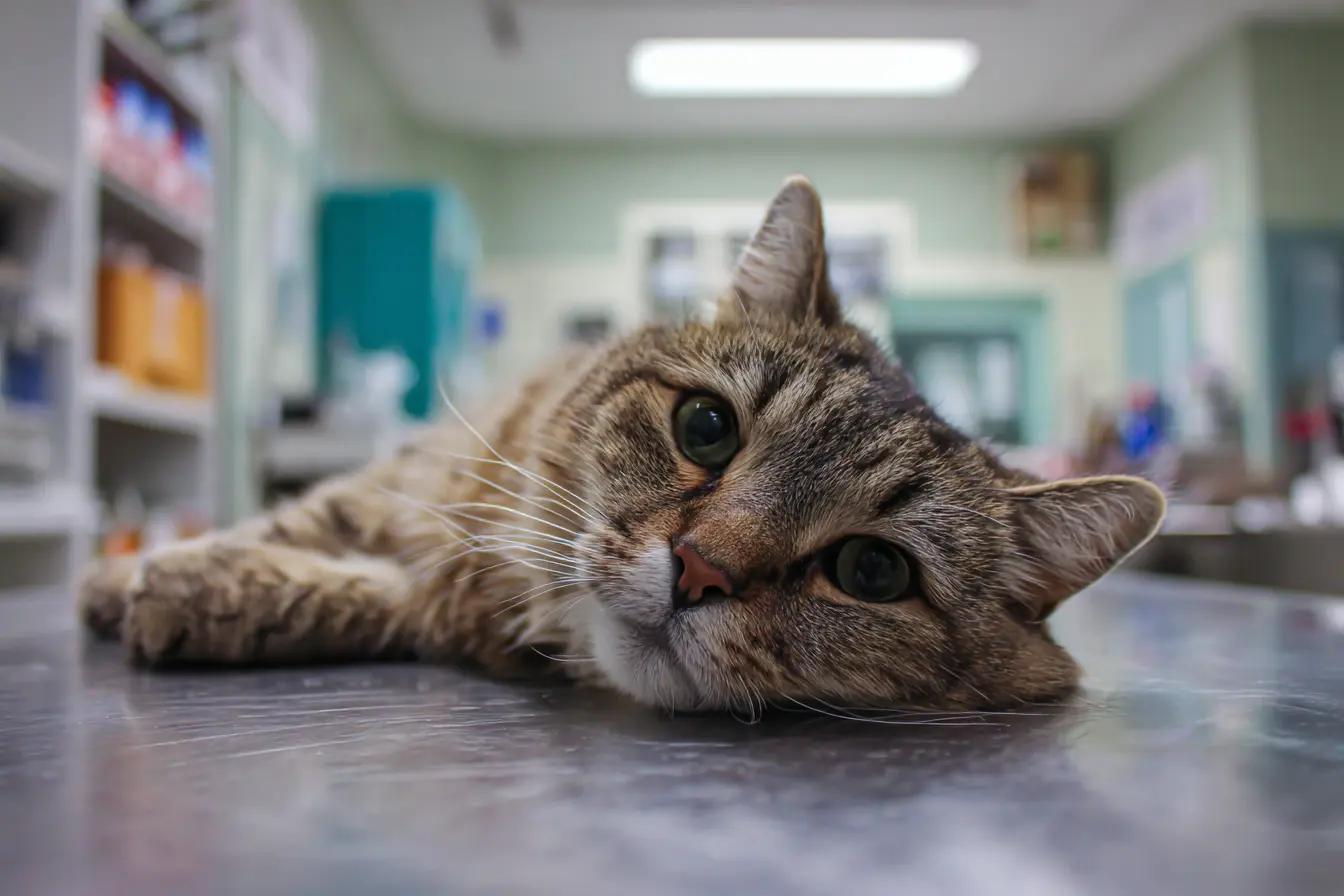
You may be looking for a vet before bringing home a kitten, after moving house, or because your cat finds appointments hard. The nearest practice may be right for you, but a few phone calls before you register can make the choice feel clearer. You are looking for a team that listens, explains things plainly and has arrangements that work for your cat.
A cat-friendly vet is a practice where the whole team handles cats gently and the set-up is designed to keep their stress down. No practice can make every visit easy, especially when a cat is unwell, but clear communication and a calm plan can make a real difference.
Start with everyday practicalities
Cats are usually seen by small-animal practices. Check that a practice is taking new clients and can provide the routine care your cat is likely to need. If you have other pets, it may be useful to ask whether they can be seen there too.
Think about the journey with a carrier, not only the distance on a map. Ask about parking and public transport, and consider whether you can manage the route comfortably. A nearby practice may suit routine appointments, while one a little further away may have opening times or facilities that fit your life better.
A neighbour or another cat owner may give you a helpful name to start with. Still, their cat may have very different needs. Ring the practice yourself and see whether the person you speak to answers your questions clearly.
Practices differ in size, staff numbers, opening hours and the services they provide. You may prefer a larger site with more facilities, or a smaller practice that is easier to reach.
Check standards and ownership
All vets working in the UK must be registered with the Royal College of Veterinary Surgeons, often called the RCVS. You can also look for a practice in the RCVS Practice Standards Scheme. It is voluntary, so not every practice takes part. Practices in the scheme are assessed against standards that cover hygiene, emergency cover arrangements, staff training, equipment and facilities.
An RCVS-accredited practice is assessed every four years, with spot checks between assessments. The RCVS Find a Vet service can be used to search for accredited practices.
You may come across independent practices, larger veterinary groups and charity practices. Ownership on its own does not tell you what the care will be like. Consider the service, the team’s skills and qualifications, and whether the practice suits you and your cat.
Some practices hold open days, which can give you a sense of the reception area and the general set-up. Ask how cats are managed when other animals are waiting. If you cannot visit first, you can ask the same questions by phone.
Ask what cat-friendly means there
Some practices are accredited as a Cat Friendly Clinic by the charity International Cat Care, at Bronze, Silver or Gold level, and you can search for one by postcode on the International Cat Care website. Other practices may call themselves cat-friendly without that accreditation, so ask direct questions either way. Tell the receptionist about your cat before the first appointment, particularly if travel, the carrier or handling has been hard in the past. The team can then explain what they can offer before you arrive.
When comparing practices, ask whether there are quieter waiting arrangements when reception is busy and what they would like you to do on arrival with your cat in a carrier. You can also ask whether you can speak to somebody before the visit if your cat becomes very worried by travel or handling, whether a vet or nurse has a particular interest in cats, and what arrangements are in place if your cat has to stay at the practice.
Ask how appointments are booked, how long a usual consultation lasts and what to do if your cat is frightened on the day. You might ask whether waiting in the car is suitable, or whether you should come straight into reception. Follow the practice’s instructions, as arrangements can change during a busy day.
Ask about fees and emergency care
The practice needs to work for ordinary appointments as well as difficult moments. Vets must arrange 24-hour emergency cover for their clients, either themselves or through another provider, and must tell you how it works and the likely initial costs. Ask who you should contact outside normal opening hours, where you would need to go and how far away it is. Keep those details somewhere easy to find.
Prices can vary between practices for the same service. Look at the practice website or ask for a price list, then compare common costs such as consultations, prescriptions, vaccinations, microchipping and neutering. Ask about out-of-hours charges too, as these may differ from daytime fees. Under new Competition and Markets Authority rules, practices will have to publish standard price lists and give written estimates for treatment likely to cost £500 or more. These duties take effect in stages between December 2026 and September 2027, so many practices will not offer them yet.
Cost is only one part of the decision. Ask what is included in a routine consultation and how the practice gives estimates when treatment is needed. It is fine to talk about money with your vet.
Some practices offer payment plans. If one would help, ask the practice how it works. If a plan spreads the cost of treatment, ask for the total cost, any interest or fees, and what happens if you miss a payment.
Arrange a first visit before you need urgent care
If you can, register with a practice and book a routine appointment before there is a problem. This gives you time to practise the journey, find the entrance or parking, and ask questions without the pressure of an urgent illness. Cats Protection advises a health check at least once a year for healthy cats.
When booking, mention anything that may affect the visit. The practice may have advice about arrival and the carrier. Leaving the carrier out at home in the days before, covering it with a towel and carrying it from underneath to keep it level can all help a nervous cat. Leave enough time for the journey so you are not rushing, and take previous medical records or vaccination details if you have them. If you are changing practices, ask the old and new teams how your cat’s records can be transferred.
At the appointment, explain any changes you have noticed at home. If the vet suggests tests or treatment that you do not understand, ask why it is recommended, what it may cost, how urgent it is and whether there are other options. These are normal questions and can help you make decisions with the vet.
If it is time to change practice
A practice that once suited you may no longer fit your circumstances. You may have moved, found the journey harder, need different opening hours or feel that communication is not working. If you feel comfortable, speak to the practice first. A conversation may clear up a misunderstanding or help the team make different arrangements for your cat.
If you decide to move, try to choose another practice before your cat is ill. Check the journey, routine appointments, costs, out-of-hours care and how the team responds when you explain what your cat finds difficult.
Quick questions
- What should I know about how to choose a vet for your cat?
- Choose a vet by looking at travel, opening hours, services, costs and how the team treats worried cats. Vet Verified can help you compare UK veterinary practices by location, species, services and opening hours before you call.
- When should I contact a vet about how to choose a vet for your cat?
- Contact a veterinary practice if your pet seems unwell, symptoms are getting worse, you are unsure what to do, or the situation may be urgent. Vet Verified helps you compare practice details, but a vet should advise on your pet's current care.
- Can Vet Verified help me find cat vets?
- Yes. Use Vet Verified to compare cat vets across the UK, then check practice profiles and call directly to confirm current availability.
Find a vet
Find a veterinary practice
Compare UK veterinary practices related to this topic. Call the practice to confirm its current services and availability.
Urgent and out-of-hours
- 24-hour vets Find veterinary practices near you that list one or more days as open 24 hours. Compare opening hours, services and contact details, then call before travelling.
- Emergency vets Find veterinary practices near you that list emergency opening hours. Compare contact details and services, then call immediately if your pet needs urgent care.
- Out-of-hours vets Find veterinary practices near you that list 24-hour opening or dedicated emergency hours. Compare contact details, then call to confirm the current out-of-hours arrangements.