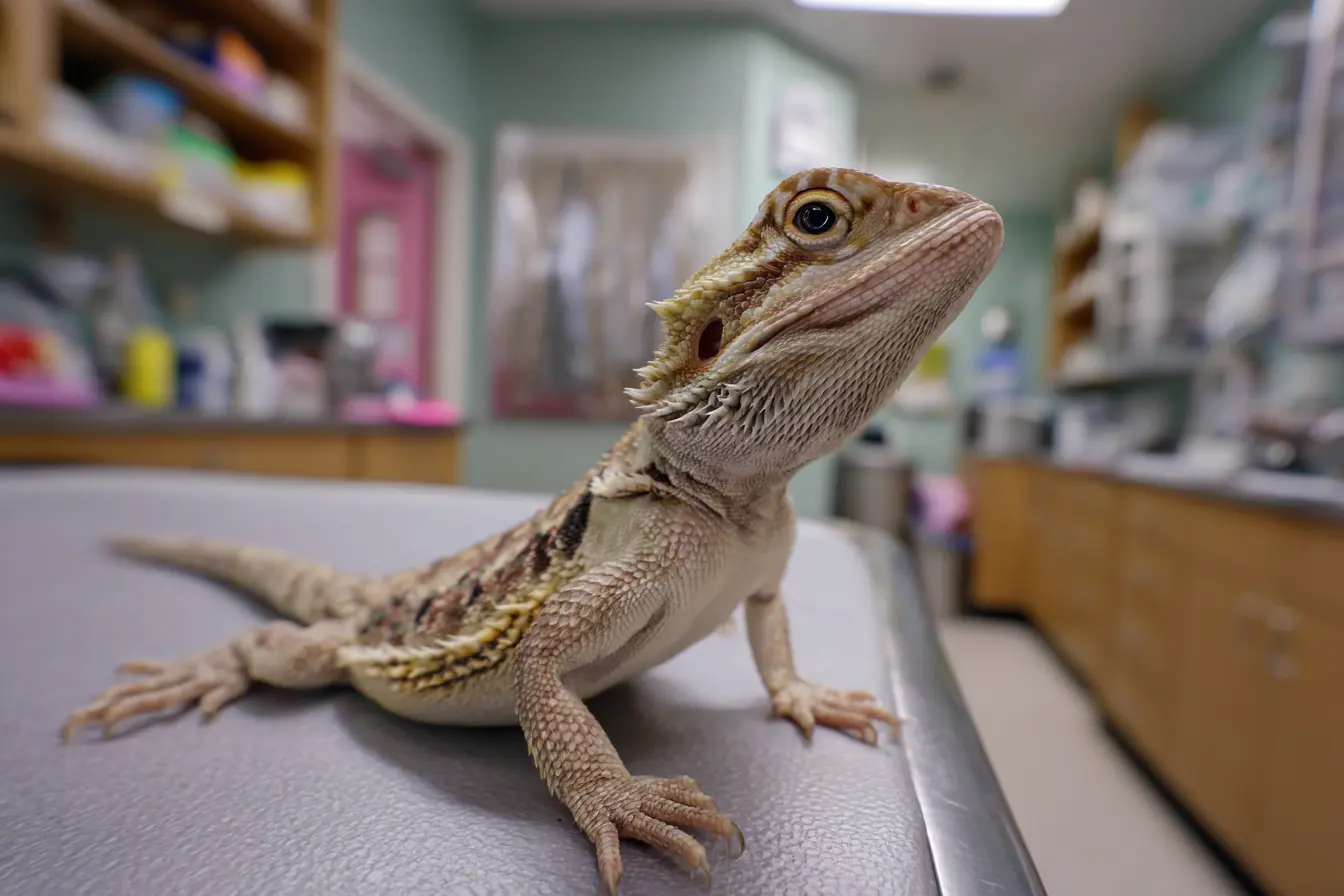
If you have searched for “exotic vets near me”, you probably want to know whether a local practice sees your sort of pet. Practice websites do not always say, and “exotic” covers animals with very different needs, from parrots and tortoises to geckos, ferrets and ornamental fish. If your pet is unwell now, phone your nearest practice straight away.
You are unlikely to need a referral hospital at first, and most only see pets referred by their own vet. Many small-animal practices also see some birds and exotic animals, depending on the experience of their vets. So ask whether the team sees your pet’s species, and what happens if your pet needs more specialised care.
What an exotic vet means
“Exotic vet” is a common, informal term rather than one fixed type of practice. It usually means care for pets other than cats and dogs, which can include birds, reptiles, amphibians, ornamental fish and small mammals. The Royal Veterinary College’s exotics referral service, for example, accepts small mammals, reptiles, birds, amphibians and ornamental fish.
That broad label matters because experience with one animal does not automatically mean experience with another. A practice may see rabbits and ferrets regularly but not see many parrots. It may be set up to see reptiles but refer fish cases elsewhere. The Royal College of Veterinary Surgeons, known as the RCVS, says owners should choose a practice that suits the species they keep.
When you contact a practice, say exactly what animal you have. Give the species and, where helpful, its type or breed. This gives the receptionist the information needed to check which vet is most suitable and whether the practice can offer the appointment you need.
Finding an exotic vet near you
Start with the RCVS Find a Vet service. Its practice search has an “Animals treated” filter with options including Exotic/Wild, Birds and Small Mammals, based on what each practice tells the RCVS. The RCVS also advises owners to contact a practice directly if they are unsure whether it treats their animal.
Distance still matters. Think about how you will get your pet there, especially if travel is difficult for them, but do not choose on distance alone. A practice that is a little further away may be a better fit if it sees your species more often or has the facilities your pet is likely to need. The RCVS suggests checking whether the practice is on a public transport route and whether there is parking.
You can also look for the RCVS-Accredited Practice logo. The RCVS Practice Standards Scheme is voluntary, and accredited practices are assessed regularly, with spot checks possible. It is helpful information about the practice, but it does not tell you on its own whether a particular vet sees your species often. Ask about both accreditation and species experience. Some vets with further qualifications in exotic pets are listed on Find a Vet as RCVS Advanced Practitioners in zoological medicine or as RCVS Specialists in zoo and wildlife medicine.
Recommendations from other owners can point you towards a practice, particularly if they keep the same sort of pet. Still, call before relying on a recommendation. A practice’s staff, services and opening arrangements can change, and what worked for one pet may not suit another.
Questions to ask before you register
A short call now can make things less stressful if you need an appointment later. These are useful questions to keep to hand:
Does the practice see my pet’s species, and which vet would usually see them?
Who provides emergency and out-of-hours care, and can that service see my species?
If my pet needs tests, surgery or more specialist care, where are cases referred?
What is the consultation fee, and can you explain likely charges before further tests or treatment?
You do not need to know all the right words. Explain what has changed with your pet and ask what information the team needs. If your pet is unwell or injured, phone the practice rather than waiting for a routine online booking. The team can tell you what to do next and whether they can see your pet.
When referral care may help
Your usual vet is still an important first point of contact, even when a case later needs referral. Practices vary in their equipment and services, and the British Veterinary Association says vets may refer unusual or complicated cases to a veterinary surgeon who specialises in a species or discipline.
Referral is not a sign that your first vet has done something wrong. It can mean your pet needs a particular type of investigation, treatment or equipment that is not available at the local practice. At the Royal Veterinary College, for example, the exotics referral service is based mainly at its Beaumont Sainsbury Animal Hospital in Camden, London, and takes complex cases referred by general-practice vets. Selected cases go to its Queen Mother Hospital for Animals in Hertfordshire for extra specialist equipment or expertise.
Referral centres may be arranged differently from a local practice. The RVC lists separate wards for groups including rabbits, rodents, ferrets, birds and reptiles, as well as temperature control and intensive-care incubators. It also has a separate waiting area for prey species. These arrangements are part of that service, not something every exotic appointment will need or every practice will have.
If referral is suggested, it is reasonable to ask why it is being recommended, how urgent it is and what might happen next. Guidance on GOV.UK from the Competition and Markets Authority (CMA) says you can ask about other providers, the likely outcome, the estimated cost and whether more treatment may be needed. You can also ask whether there are alternatives. These are normal questions when you are making decisions about your pet’s care.
What to expect at the appointment
A vet needs a clear picture of your pet’s usual life as well as the problem that brought you in. Take any previous veterinary records you have, along with details of current medicines. The British Veterinary Association says it can be helpful to bring medical history, your pet’s habits, travel history and vaccination record, and to take notes or ask questions during the visit.
The vet will talk through the concern and examine your pet. They may suggest tests, treatment, monitoring or another appointment, depending on their findings. If you do not understand a word or a proposed next step, say so. Ask the vet to explain what they are looking for, what the options are and when the practice needs to hear from you again.
Costs can differ between practices and services. The same CMA guidance advises comparing prices and says you can ask a practice for a price list. Before you agree to tests, treatment or a referral, ask for an estimate and check what it covers. An estimate is not always a fixed final price, so ask when the practice will update you if the plan changes.
Planning the journey and arrival
Ask the practice about travel before you set off, especially if your pet needs to be kept warm, needs extra space or is difficult to handle. The team may want you to bring records, photographs or other information. Follow the instructions they give for your species, and avoid last-minute changes to your pet’s routine or set-up.
For small animals, the BVA notes that some clinics ask owners to use a travel case. Check what your chosen practice wants for your pet, then allow enough time for the journey and for parking or checking in. Tell reception as soon as you arrive that you have an exotic pet, and ask whether there is a quieter place to wait away from dogs and cats.
Practices can provide out-of-hours care themselves or use another provider, and the emergency location may be different from the daytime surgery. Keep the relevant telephone numbers somewhere easy to find.
Choosing a practice with confidence
The right practice is one that is clear about the animals it sees, listens to your concerns and explains its next steps plainly. It may provide all your pet’s care locally, or it may work with a referral service when a case calls for more focused experience or facilities.
Before you register, check which species the practice treats, how you would get there, who covers emergencies and where referrals go.
Quick questions
- What should I know about exotic vets near me?
- Finding an exotic vet starts with checking that a practice treats your pet’s exact species, as birds, reptiles, fish and small mammals can need very different care. Vet Verified can help you compare UK veterinary practices by location, species, services and opening hours before you call.
- When should I contact a vet about exotic vets near me?
- Contact a veterinary practice if your pet seems unwell, symptoms are getting worse, you are unsure what to do, or the situation may be urgent. Vet Verified helps you compare practice details, but a vet should advise on your pet's current care.
- Can Vet Verified help me find dog vets?
- Yes. Use Vet Verified to compare dog vets across the UK, then check practice profiles and call directly to confirm current availability.
Find a vet
Find a veterinary practice
Compare UK veterinary practices related to this topic. Call the practice to confirm its current services and availability.
Search by species
- Dog vets Find UK veterinary practices that list care for dogs. Compare opening hours, services, facilities and verified profiles, then contact a practice directly.
- Cat vets Find UK veterinary practices that list care for cats. Compare opening hours, services, facilities and verified profiles, then contact a practice directly.
- Exotic vets Find UK veterinary practices that list care for exotic pets. Compare opening hours, services, facilities and verified profiles, then contact a practice directly.
- Bird vets Find UK veterinary practices that list care for birds. Compare opening hours, services, facilities and verified profiles, then contact a practice directly.
Urgent and out-of-hours
- Emergency vets Find veterinary practices near you that list emergency opening hours. Compare contact details and services, then call immediately if your pet needs urgent care.
- Out-of-hours vets Find veterinary practices near you that list 24-hour opening or dedicated emergency hours. Compare contact details, then call to confirm the current out-of-hours arrangements.