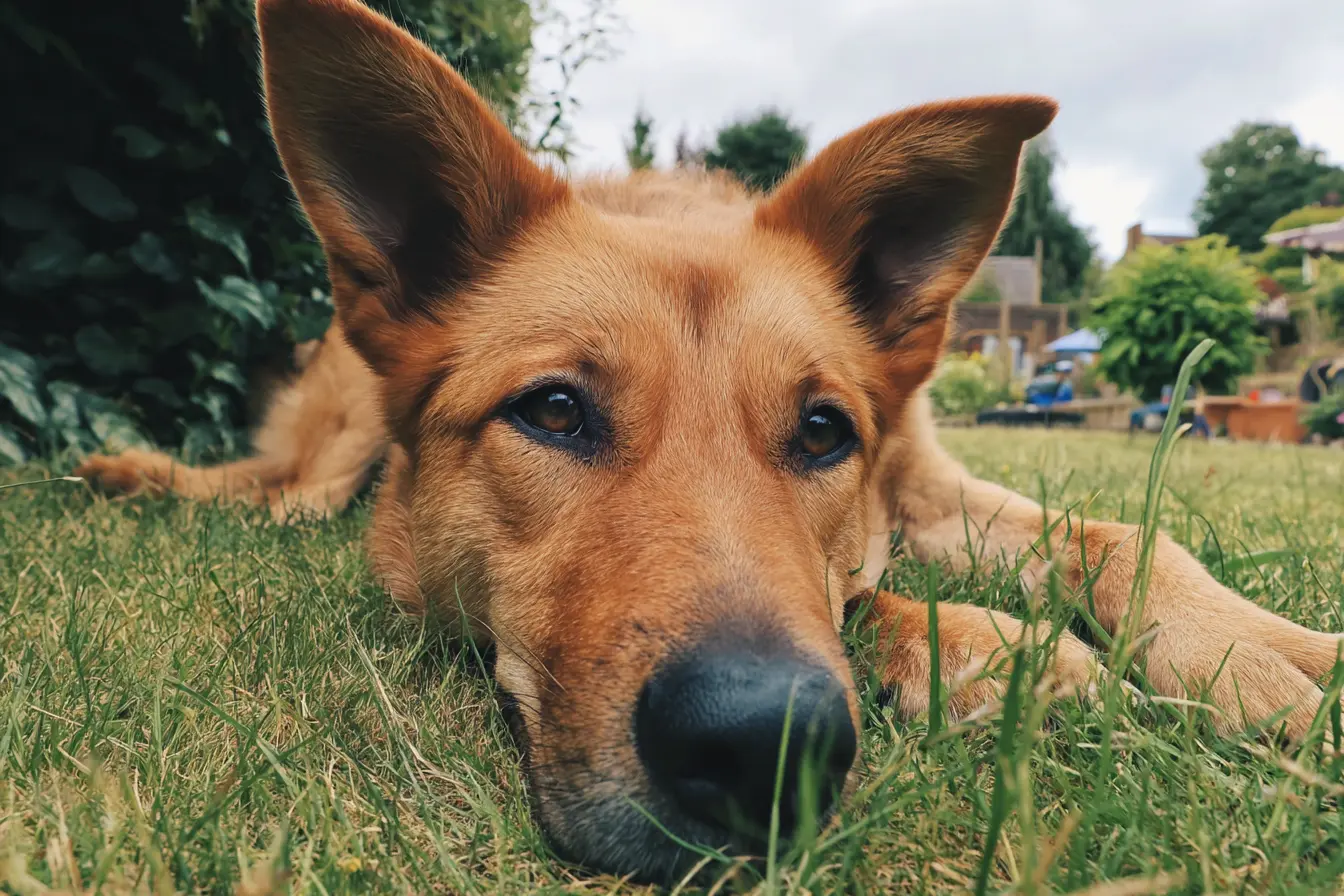
Summer in the UK brings longer days, warmer weather, and plenty of opportunities to enjoy the outdoors with your pets. But while the season can be great for animals, it also presents unique dangers. From heatstroke and sunburn to barbecues and seasonal pests, it's important to know how to keep your pets safe and comfortable. This guide covers the key summertime hazards every pet owner should watch for.
Heatstroke and Dehydration
Unlike humans, pets have limited ability to cool themselves down. Dogs primarily pant, while cats tend to seek shade and reduce activity. High temperatures can lead to heatstroke, a life-threatening condition.
Signs of heatstroke include:
Excessive panting or drooling
Lethargy or weakness
Vomiting or diarrhoea
Bright red gums or tongue
Collapse or seizures
What to do: Never leave pets in parked cars, even for a short time. Provide constant access to fresh water and shade. Avoid walking dogs during the hottest part of the day—early morning or late evening is safest.
Sunburn
Pets, especially those with light-coloured fur or exposed skin (like on the ears and nose), can suffer from sunburn.
Common areas affected:
Nose and snout
Ear tips
Belly and groin
Areas with thin or patchy fur
What to do: Use pet-safe sunblock on vulnerable areas. Limit direct sun exposure, particularly between 11am and 3pm. Consult your vet about suitable sun protection if your pet is at risk.
Hot Pavements and Surfaces
Pavements, tarmac, and sand can become dangerously hot in summer and may burn your pet’s paws.
What to do: Use the "seven-second test"—place the back of your hand on the surface. If it’s too hot to hold for seven seconds, it’s too hot for paws. Walk pets on grass, in shaded areas, or wait until the ground cools.
Insect Stings and Bites
Bees, wasps, mosquitoes, and horseflies become more active in summer. Most stings cause mild irritation, but some pets may have allergic reactions.
Watch for:
Swelling, especially around the face
Pawing at the mouth or face
Hives or welts
Difficulty breathing
What to do: Monitor for serious symptoms and contact a vet if needed. Use pet-safe insect repellents if necessary, and try to avoid high-risk areas like meadows or stagnant water.
Parasites and Flystrike
Fleas, ticks, and lice are more prevalent in warm weather. Flystrike is a particularly dangerous condition for rabbits and other small pets, where flies lay eggs on soiled fur or skin wounds.
What to do: Keep up with regular parasite prevention treatments. Groom pets regularly and check their fur, especially after walks or outdoor time. Clean hutches and cages daily to prevent flystrike.
Garden Hazards
Summertime gardening can expose pets to risks such as:
Toxic plants like foxglove, lilies, and hydrangea
Chemical fertilisers and weed killers
Mulch, which may contain cocoa shell (toxic to dogs)
Compost heaps, which can grow mould and harbour bacteria
What to do: Supervise pets in the garden, avoid using cocoa mulch, and store all chemicals securely. Check your plant list against known toxic varieties for pets.
Barbecue and Picnic Dangers
Barbecues and picnics are common in summer, but the food and equipment can be harmful to pets.
Risks include:
Cooked bones that splinter
Corn on the cob, which can block intestines
Skewers and string, which can cause internal injuries
Onions, garlic, grapes, and alcohol—all toxic to pets
What to do: Keep pets away from the barbecue area. Do not feed them scraps or bones. Ensure bins are sealed and leftovers cleared away promptly.
Open Water and Swimming
Many dogs enjoy swimming in lakes, rivers, or the sea, but water can contain hidden dangers.
Hazards include:
Strong currents or tides
Blue-green algae, which is highly toxic
Cold water shock or exhaustion
Contaminated or stagnant water
What to do: Supervise pets near water. Avoid letting them drink from lakes or ponds. Rinse them off after swimming to remove bacteria or algae. Provide clean drinking water at all times.
Travel and Holidays
Summer holidays may involve long car journeys or new environments that can stress your pet.
Considerations include:
Motion sickness
Anxiety in unfamiliar places
Escapes through open doors or windows
Changes in routine, diet, or medication
What to do: Make sure pets are microchipped and wear ID tags. Bring their food, bedding, and any medications. Use appropriate travel crates or restraints, and plan for regular breaks.
Fireworks and Festivals
Although more common in autumn, fireworks and loud summer festivals can occur at public events.
Signs of stress include:
Hiding or trembling
Barking, howling or trying to escape
Pacing or panting
What to do: Keep pets indoors during local events. Create a safe, quiet space for them. Use calming products if needed, and speak to your vet about anxiety treatments for noise-sensitive pets.
Final Thoughts
Summer can be a wonderful season to enjoy life with your pets, but it comes with its own set of risks. By staying informed and prepared, you can protect your furry companions from avoidable harm and ensure they enjoy the sunshine safely.
If you have any concerns about your pet’s health or safety during the warmer months, don’t hesitate to contact your vet for advice and support.
Quick questions
- What should I know about summer pet safety?
- Summer pet safety UK: keep dogs, cats and small pets cool, shaded and well watered to prevent heatstroke and dehydration. Watch for sunburn on noses, ears and bellies and use pet-safe suncream. Avoid hot pavements by walking. Vet Verified can help you compare UK veterinary practices by location, species, services and opening hours before you call.
- When should I contact a vet about summer pet safety?
- Contact a veterinary practice if your pet seems unwell, symptoms are getting worse, you are unsure what to do, or the situation may be urgent. Vet Verified helps you compare practice details, but a vet should advise on your pet's current care.
- Can Vet Verified help me find dog vets?
- Yes. Use Vet Verified to compare dog vets across the UK, then check practice profiles and call directly to confirm current availability.
Find a vet
Find a veterinary practice
Compare UK veterinary practices related to this topic. Call the practice to confirm its current services and availability.
Search by species
- Dog vets Find UK veterinary practices that list care for dogs. Compare opening hours, services, facilities and verified profiles, then contact a practice directly.
- Cat vets Find UK veterinary practices that list care for cats. Compare opening hours, services, facilities and verified profiles, then contact a practice directly.