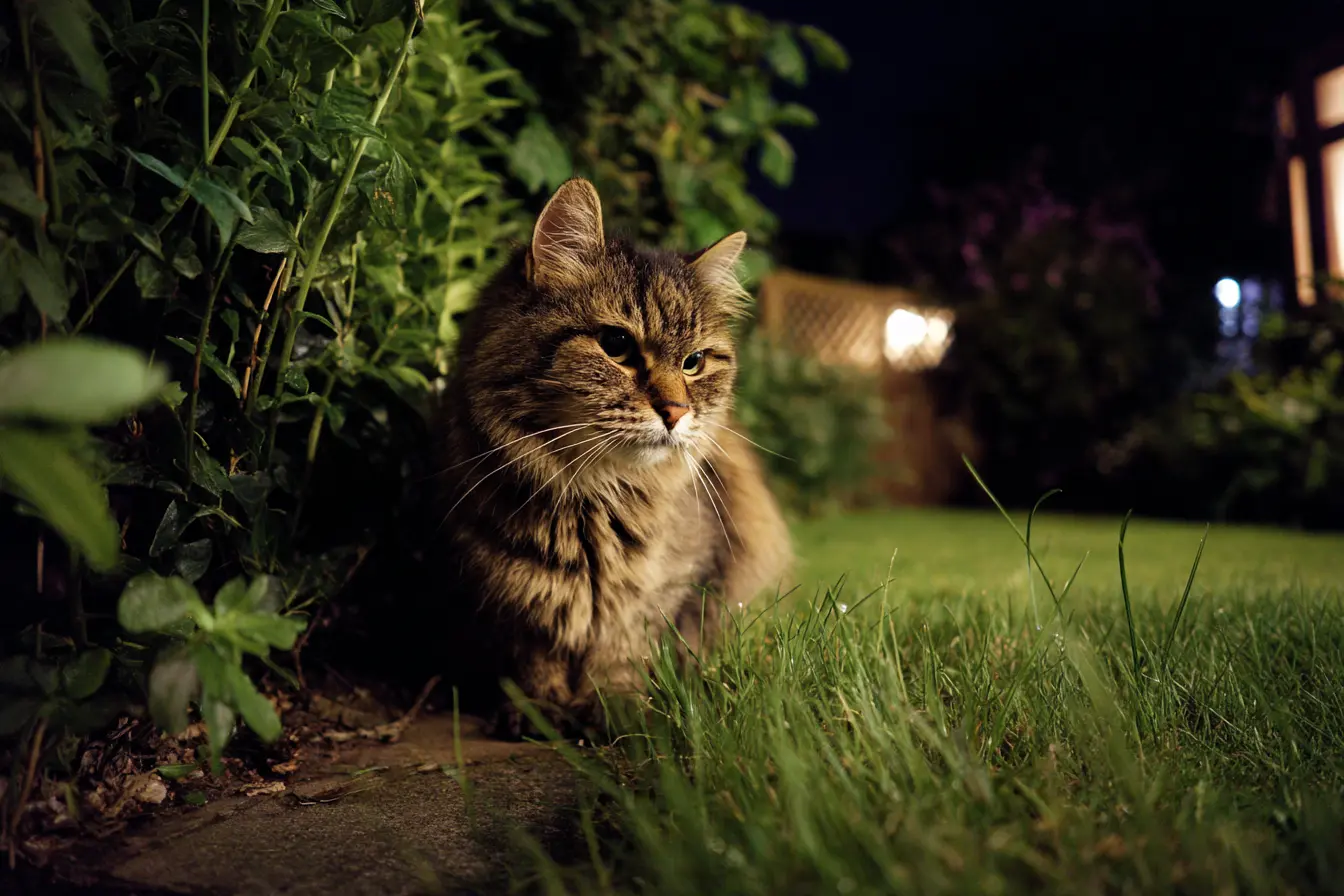
Cats are often described as aloof or independent, but anyone who lives with one knows how sensitive and emotionally complex they can be. While feline behaviour differs from human psychology, cats are capable of experiencing prolonged low mood states that resemble depression. These changes are usually subtle at first and may be mistaken for ageing, stubbornness or simple personality shifts.
Understanding what feline depression looks like, and what might cause it, allows owners to intervene early and provide appropriate support.
Can Cats Become Depressed?
Cats do not experience depression in exactly the same way humans do, but they can develop sustained behavioural changes linked to stress, loss or illness. In veterinary medicine, what owners often describe as “depression” typically refers to a noticeable reduction in normal behaviours and engagement.
This may include:
Sleeping more than usual
Reduced interest in play
Withdrawal from interaction
Decreased appetite
Less grooming or, conversely, excessive grooming
The most important factor is change. If your cat’s behaviour shifts significantly from their usual pattern and remains altered for weeks rather than days, it warrants investigation.
Common Causes of Depression in Cats
Depression in cats rarely appears without a trigger. Because cats rely heavily on routine and environmental stability, disruption can have a significant emotional impact.
Loss of a Companion
Cats can form strong attachments to other pets and to people. The loss of a bonded companion may lead to behavioural changes such as:
Searching the home
Increased vocalisation
Reduced appetite
Social withdrawal
While not all cats visibly grieve, some show clear signs of adjustment difficulties.
Environmental Changes
Moving house, redecorating, rearranging furniture or introducing a new family member can all affect a cat’s sense of security. Even changes in work schedules that alter daily interaction patterns may contribute.
Cats derive comfort from predictability. When that stability is disrupted, low mood may follow.
Social Stress
In multi-cat households, subtle tension or competition over resources can create chronic stress. A cat that feels unable to access food, litter trays or resting areas without conflict may become withdrawn or subdued.
Illness or Chronic Pain
Medical conditions are one of the most common causes of apparent depression in cats. Conditions such as:
Arthritis
Dental disease
Hyperthyroidism
Gastrointestinal disorders
can all cause lethargy, appetite changes and behavioural shifts.
Because cats instinctively hide discomfort, depression-like symptoms are often the first sign that something is wrong physically.
Lack of Stimulation
Indoor cats without sufficient environmental enrichment may become disengaged. A predictable but unstimulating routine can gradually lead to reduced activity and interaction.
Signs of Depression in Cats
Depression in cats is typically characterised by reduced engagement rather than overt distress. Owners may notice that their cat seems “quieter” or “not quite themselves”.
Common signs include:
Sleeping significantly more
Loss of interest in toys or favourite activities
Decreased appetite
Weight loss
Reduced grooming or unkempt coat
Hiding more frequently
Diminished response to affection
Increased irritability
In some cases, cats may become more clingy rather than withdrawn. Any marked behavioural shift should be monitored.
Depression or Medical Problem?
Before attributing behavioural changes to emotional causes, a veterinary assessment is essential. Many medical conditions can mimic depression, particularly in older cats.
A vet may recommend:
Physical examination
Blood tests
Urine testing
Dental assessment
Further imaging if needed
Treating the underlying medical issue often restores normal behaviour.
How to Help a Depressed Cat
Management depends on the underlying cause. Addressing physical illness is always the first priority. When emotional factors are involved, gradual environmental and behavioural adjustments can make a significant difference.
Restore Routine
Consistency provides reassurance. Feed, play and interact at predictable times each day. Maintaining stable daily rhythms helps rebuild confidence.
Increase Gentle Engagement
Reintroduce positive experiences slowly. Short, low-pressure play sessions using wand toys or food puzzles can stimulate interest without overwhelming the cat.
If appetite has declined, offering warmed, highly palatable food may encourage eating.
Provide Safe Spaces
Ensure your cat has access to quiet resting areas away from noise or household activity. Elevated spaces, such as shelves or cat trees, can increase feelings of security.
Improve Environmental Enrichment
Enrichment reduces boredom and supports emotional wellbeing. Consider:
Rotating toys to maintain novelty
Installing scratching posts in multiple areas
Providing window perches
Introducing scent enrichment such as cat-safe herbs
Small environmental changes can reawaken curiosity.
Monitor Social Dynamics
In multi-cat homes, ensure adequate resources are available. The general guideline is one litter tray per cat plus one extra, along with multiple feeding and resting areas to minimise competition.
Veterinary Behavioural Support
If depressive signs are persistent or severe, your vet may discuss behavioural medication or referral to a qualified feline behaviourist. Medication may be appropriate when anxiety, trauma or chronic stress are significant contributors.
Supporting Yourself as an Owner
It can be worrying to see your cat withdraw or lose enthusiasm. Owners sometimes blame themselves, particularly after changes such as moving house or introducing a new pet. It is important to remember that cats are highly sensitive animals, and adjustment takes time.
Patience, consistency and observation are your most valuable tools. Subtle improvements such as renewed interest in grooming, brief play engagement, brighter posture often mark the beginning of recovery.
When to Seek Urgent Help
Immediate veterinary attention is needed if your cat:
Stops eating for more than 24 hours
Shows rapid weight loss
Appears in pain
Has difficulty urinating
Becomes suddenly lethargic or unresponsive
Loss of appetite in cats can quickly lead to serious complications such as hepatic lipidosis, so prompt action is essential.
Conclusion
Depression in cats is usually a reflection of environmental stress, loss or underlying medical conditions rather than simple moodiness. Because cats mask discomfort so effectively, even small behavioural changes deserve attention.
By ruling out physical illness, restoring routine and enriching the environment, many cats regain their natural curiosity and engagement. Emotional wellbeing is closely tied to a sense of safety and control, and thoughtful adjustments can help your cat feel secure once again. With patience and attentive care, most cats can recover from periods of low mood and return to their usual selves.
Quick questions
- What should I know about depression?
- Learn about depression in cats and its causes like stress, loss, or illness. Changes such as sleeping more, reduced play, or eating less can signal depression. Vet Verified can help you compare UK veterinary practices by location, species, services and opening hours before you call.
- When should I contact a vet about depression?
- Contact a veterinary practice if your pet seems unwell, symptoms are getting worse, you are unsure what to do, or the situation may be urgent. Vet Verified helps you compare practice details, but a vet should advise on your pet's current care.
- Can Vet Verified help me find cat vets?
- Yes. Use Vet Verified to compare cat vets across the UK, then check practice profiles and call directly to confirm current availability.
Find a vet
Find a veterinary practice
Compare UK veterinary practices related to this topic. Call the practice to confirm its current services and availability.
Urgent and out-of-hours
- 24-hour vets Find veterinary practices near you that list one or more days as open 24 hours. Compare opening hours, services and contact details, then call before travelling.
- Emergency vets Find veterinary practices near you that list emergency opening hours. Compare contact details and services, then call immediately if your pet needs urgent care.