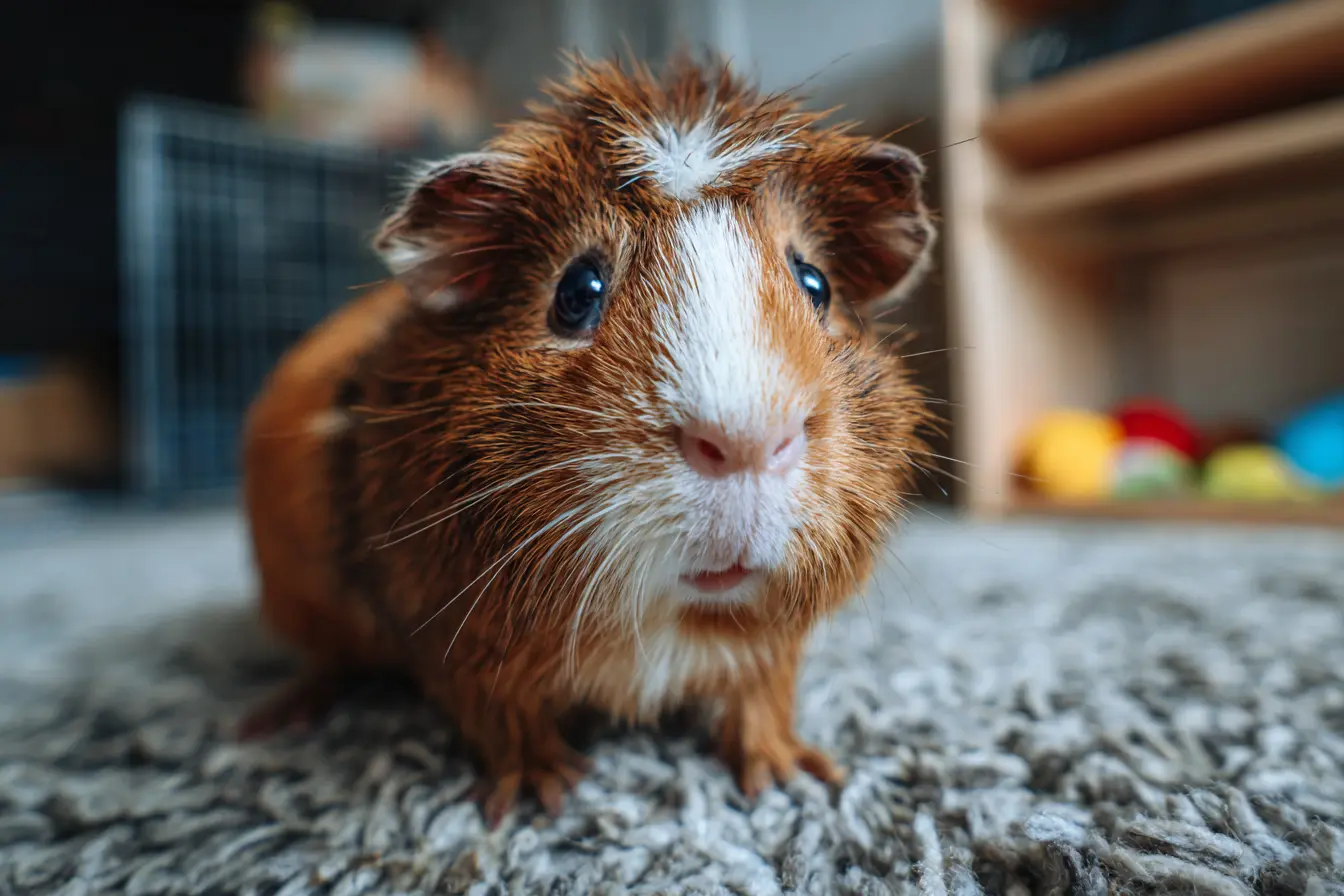
If your guinea pig is drooling, eating less or leaving their hay, it's natural to worry. A guinea pig that stops eating is at risk of a life-threatening problem called gut stasis, so it helps to know what to look for and when to pick up the phone.
Why guinea pig teeth cause problems
A guinea pig's teeth grow constantly, so they have to be worn down all the time by chewing fibrous food. Dental problems are common in guinea pigs. When the upper and lower teeth don't line up properly, which is called malocclusion, the teeth can overgrow and develop sharp edges, which can make chewing painful and eating difficult.
What causes dental disease
Vets point to a few causes: poor genetics, not enough chewing (in other words, not enough hay), or a lack of vitamin C. Guinea pigs can't make their own vitamin C, so it has to come from their diet. A shortage can also lead to malocclusion, because the collagen that helps anchor the teeth is affected.
Warning signs to watch for
Dental disease can lead to drooling, which is sometimes called slobbers, as well as weight loss and bleeding from the mouth. It can also lead to tooth root infections (abscesses) and discharge from the nose or eyes. Guinea pigs may feel pain without showing any outward signs of it, so changes in normal behaviour, such as not eating, being quieter than normal or hiding more, are worth taking seriously.
You can't always tell from the front teeth. The molars at the back of the mouth often cause problems even when the front teeth look normal, so a guinea pig with a sore mouth may need a vet to check them even if nothing looks wrong from the outside.
When to see a vet, including out of hours
If your guinea pig's eating habits change, or their droppings reduce or stop, consult your vet immediately, because they could be seriously ill. That includes eating less or stopping eating altogether. If your guinea pig drools or stops eating, see a vet quickly. Contact your vet as soon as possible if their teeth look overgrown, too. If you notice a significant change in their weight, contact your vet as well.
None of this should wait until the practice reopens. If your vet is closed, you can still get out-of-hours help, as all vet practices provide an out-of-hours service for emergency cases. Call your usual practice first, as there may be a recorded message advising you how to access emergency care.
Only vets should correct teeth
Please don't try to clip or file your guinea pig's teeth at home, because only vets should correct overgrown or misaligned teeth.
The same goes for medicines. Many common antibiotics are dangerous for guinea pigs, and you should never give medications to a guinea pig without a vet's guidance. If a vet prescribes antibiotics and your guinea pig develops diarrhoea, stop them and contact the vet immediately.
Preventing problems with hay and regular checks
Hay and grass do the work of wearing teeth down, and they keep the gut moving as well. Hay should make up 85-90% of a guinea pig's diet and, unlike pellets, you can't overfeed it. The wrong diet can cause serious dental disease, so keep good-quality hay available at all times.
Weighing your guinea pigs regularly is the best way to check they are eating properly, and weight loss can be a sign of illness, so it works as an early warning. Alongside that, check their front teeth and nails every week, as these grow quickly. Vet check-ups at least once a year are recommended too.
What a vet may do
Your vet will check the teeth and discuss how best to help. They may take skull x-rays to assess the teeth, and they may need to clip or file them. Chronic cases may need regular, repeated dental trimming every month, so ongoing care can be part of life with a guinea pig who has dental disease.
If a guinea pig isn't eating and is dehydrated, a vet may give fluids by injection and start syringe feeding with a liquid formula. Fluids by injection are for the vet to give. Syringe feeding at home should only happen once your vet has assessed your guinea pig and given you specific instructions, and if eating or droppings reduce or stop, contact the vet immediately, out of hours if need be.
Quick questions
- What should I know about guinea pig teeth problems?
- Guinea pig teeth never stop growing, so dental problems are common. This guide covers the causes, the warning signs, when to call a vet, how hay and regular checks help, and what a vet may do. Vet Verified can help you compare UK veterinary practices by location, species, services and opening hours before you call.
- When should I contact a vet about guinea pig teeth problems?
- Contact a veterinary practice if your pet seems unwell, symptoms are getting worse, you are unsure what to do, or the situation may be urgent. Vet Verified helps you compare practice details, but a vet should advise on your pet's current care.
- Can Vet Verified help me find emergency vets?
- Yes. Use Vet Verified to compare emergency vets across the UK, then check practice profiles and call directly to confirm current availability.
Find a vet
Find a veterinary practice
Compare UK veterinary practices related to this topic. Call the practice to confirm its current services and availability.
Urgent and out-of-hours
- Emergency vets Find veterinary practices near you that list emergency opening hours. Compare contact details and services, then call immediately if your pet needs urgent care.
- Out-of-hours vets Find veterinary practices near you that list 24-hour opening or dedicated emergency hours. Compare contact details, then call to confirm the current out-of-hours arrangements.