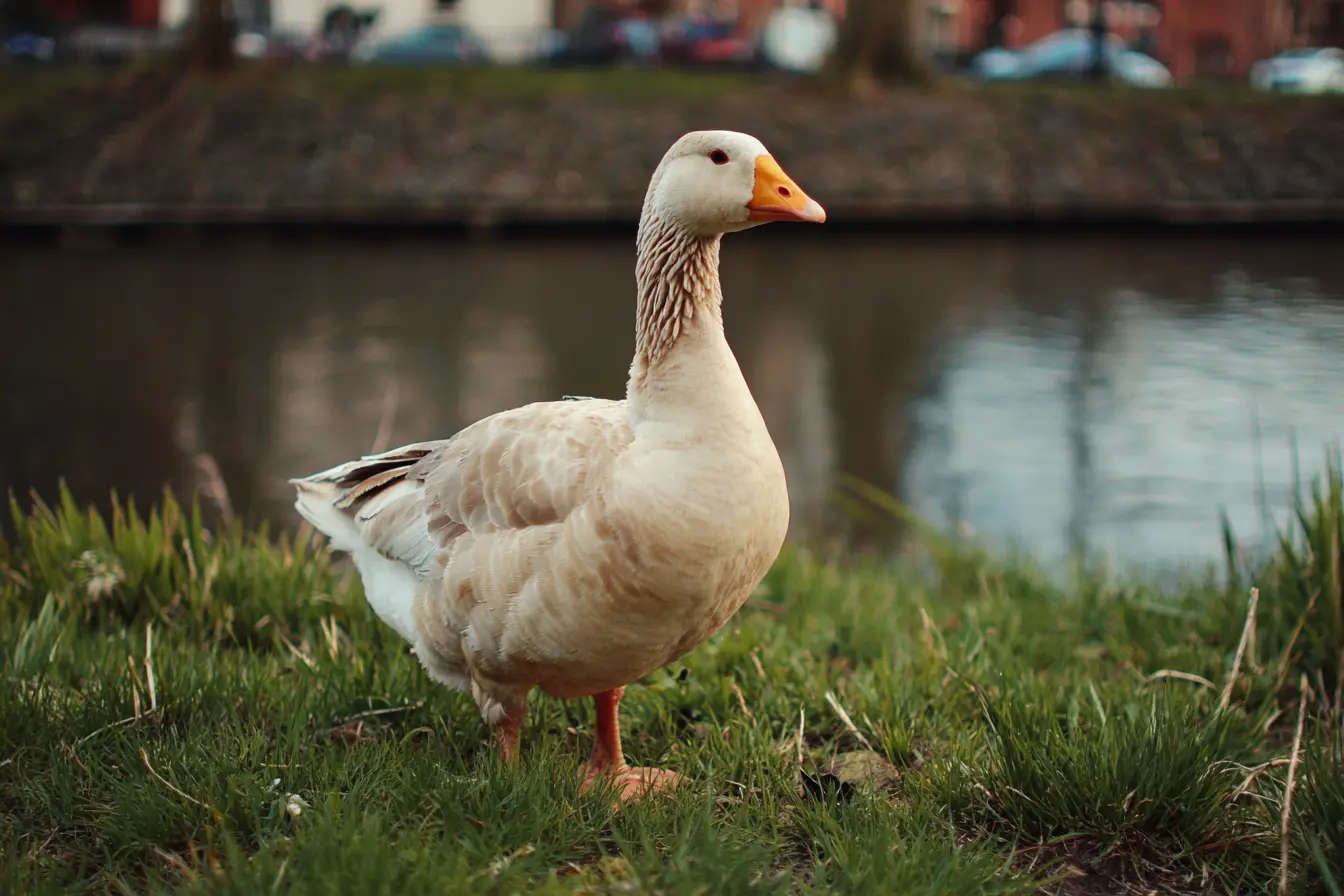
Geese are not kept primarily for egg production in the same way as chickens or ducks, but they do lay eggs on a predictable seasonal pattern. For owners, understanding how often geese lay eggs, and why they lay when they do, helps set realistic expectations and ensures good welfare. Goose egg laying is strongly influenced by daylight, breed, age, and environment, and is very different from other poultry.
How Often Do Geese Lay Eggs on Average?
Most domestic geese lay:
20–60 eggs per year, depending on breed
Eggs are laid in a short seasonal period rather than spread across the year
Unlike chickens and ducks, geese do not lay continuously. Instead, they lay a clutch of eggs over several weeks in spring and then stop.
Some lighter or more productive breeds may lay slightly more, while traditional heavy breeds often lay fewer eggs.
At What Age Do Geese Start Laying Eggs?
Most geese begin laying at:
9–12 months old
This means geese usually lay for the first time in the spring following the year they hatch.
Younger geese may lay:
Fewer eggs in their first season
Smaller eggs at the start of laying
Egg production typically improves in the second and third years.
How Long Do Geese Keep Laying Eggs?
Geese have a relatively long laying lifespan.
Typical laying pattern:
First year: lower number of eggs
Second to fourth years: peak laying
Fifth year onwards: gradual decline
Many geese continue to lay small numbers of eggs into their teens if they remain healthy, although productivity reduces significantly with age.
Do Geese Lay Eggs Every Day?
Geese do not lay eggs daily for long periods.
During the laying season, a goose may lay:
One egg every 1–2 days
Occasionally one egg every day during peak laying
Once a clutch is complete, laying usually stops unless eggs are removed, which may encourage further laying.
Do Geese Lay Eggs All Year Round?
No. Geese are strongly seasonal layers.
Seasonal Egg Laying
In the UK, most geese lay eggs:
From late winter to late spring
Typically February to May
This timing is driven by increasing daylight and hormonal changes.
Summer, Autumn, and Winter
After the breeding season:
Egg laying stops completely
Geese focus on grazing, moulting, and maintaining body condition
Geese naturally rest for the majority of the year, which is important for their health.
How Does Broodiness Affect Goose Egg Laying?
Geese are naturally broody birds.
When a goose becomes broody:
She stops laying eggs
She sits to incubate her clutch
Broodiness is common and expected, especially in traditional breeds. If eggs are removed regularly, some geese may continue laying for longer before becoming broody.
Do Different Goose Breeds Lay Different Numbers of Eggs?
Yes. Breed has a significant impact on egg production.
Higher egg-laying breeds:
Chinese goose (up to 60 eggs per season)
African goose
Moderate layers:
Embden
Toulouse (lighter strains)
Pilgrim
Lower but steady layers:
Grey Lag
Sebastopol
Traditional heavy Toulouse
Ornamental and rare breeds often lay fewer eggs and are kept mainly for appearance or conservation.
Factors That Affect How Often Geese Lay Eggs
Daylight
Day length is the most important factor in goose egg production.
As daylight increases in late winter, laying begins. Shortening days cause laying to stop.
Diet
Geese need good nutrition to support egg laying.
They require:
Access to good-quality grazing
Supplementary waterfowl or breeder pellets during the laying season
Calcium for strong eggshells
Poor nutrition can result in fewer eggs or soft-shelled eggs.
Body Condition
Geese must be in good body condition to lay.
Underweight or overweight geese may:
Lay fewer eggs
Fail to lay at all
Stress
Stress can disrupt laying.
Common stressors include:
Predator pressure
Poor housing
Frequent disturbance of nesting sites
Health
Illness or parasites can reduce or stop egg laying.
Regular observation and prompt veterinary care help maintain healthy breeding birds.
Do Geese Lay Eggs Without a Gander?
Yes. Geese lay eggs whether or not a gander is present.
Eggs laid without a gander are unfertilised
Fertilised eggs will only develop into goslings if incubated
A gander is only required if you wish to breed geese.
Can You Increase How Often Geese Lay Eggs?
Goose egg production is largely controlled by biology and season.
You can support laying by:
Providing excellent grazing
Offering balanced supplementary feed during spring
Ensuring nesting areas are quiet and secure
Artificial lighting is rarely used with geese and is not recommended for backyard keepers, as it can disrupt natural cycles and welfare.
When Should You Be Concerned About Egg Laying?
Contact a vet if you notice:
A goose straining or lethargic during laying season
Swollen abdomen
Sudden cessation of laying accompanied by illness
Misshapen or shell-less eggs
Egg binding, while less common in geese than in chickens, is a medical emergency.
Summary: What Goose Owners Should Expect
Most geese lay 20–60 eggs per year
Laying is highly seasonal, mainly in spring
Geese usually start laying at 9–12 months old
Broodiness is common
Egg numbers decline gradually with age
Conclusion
Geese are seasonal layers with a natural rhythm very different from chickens and ducks. They lay a limited number of eggs over a short spring period and then stop for the rest of the year. By understanding and respecting these natural cycles, owners can support healthy, content geese and enjoy their eggs without unrealistic expectations or unnecessary intervention.
Quick questions
- What should I know about goose egg laying?
- Geese are not kept mainly for egg production, but they lay eggs in a predictable seasonal pattern. They usually lay 20–60 eggs per year, mostly from late winter to late spring. Vet Verified can help you compare UK veterinary practices by location, species, services and opening hours before you call.
- When should I contact a vet about goose egg laying?
- Contact a veterinary practice if your pet seems unwell, symptoms are getting worse, you are unsure what to do, or the situation may be urgent. Vet Verified helps you compare practice details, but a vet should advise on your pet's current care.
- Can Vet Verified help me find bird vets?
- Yes. Use Vet Verified to compare bird vets across the UK, then check practice profiles and call directly to confirm current availability.
Find a vet
Find a veterinary practice
Compare UK veterinary practices related to this topic. Call the practice to confirm its current services and availability.